State signs co-management pact to protect the Xcacel turtle sanctuary near Akumal
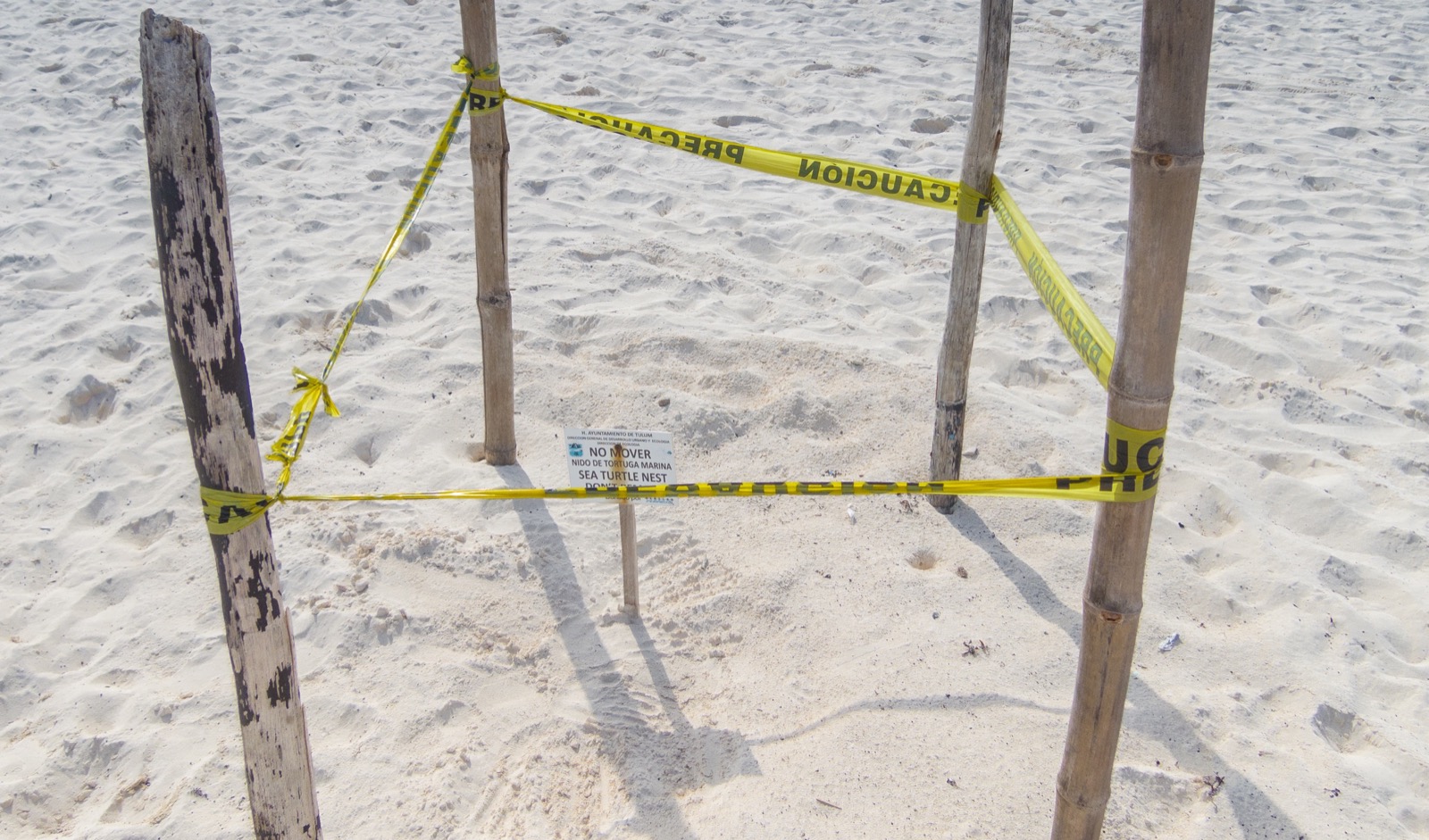


Quintana Roo has signed an agreement that puts the state formally in charge of managing the university land at Xcacel-Xcacelito, the sea turtle sanctuary on the coast a few miles south of Akumal. The beach is protected, but the ground behind it belongs to the state's public university, and until this month the state's role in managing that ground had never been set down in a signed agreement.
This is a different kind of turtle story from the one this coast usually produces in September. Akumal closed its own nesting season earlier this month with 922 nests on its four monitored beaches, according to the director of the Centro Ecológico Akumal. The Xcacel agreement is not about how many turtles came ashore. It is about who manages the land they come back to, who patrols it and what that land may be used for.
Who signed, and what they signed
The agreement was signed on September 10 and announced from Tulum by the state government. It has four parties: the Instituto de Biodiversidad y Áreas Naturales Protegidas del Estado de Quintana Roo (IBANQROO), the state agency for biodiversity and protected areas; the Secretaría de Ecología y Medio Ambiente (SEMA), the state environment ministry; the Universidad Autónoma del Estado de Quintana Roo (UQROO); and the university's Patronato, its board of trustees. Its formal name is a Convenio de Administración, Comanejo y Protección, an agreement for administration, co-management and protection, and it covers the plots owned by the university inside which the Xcacel-Xcacelito protected natural area sits.
That area carries the state category of Zona Sujeta a Conservación Ecológica, under the name Santuario de la Tortuga Marina Xcacel-Xcacelito. The signing was witnessed by the state finance and planning ministry (SEFIPLAN), by the subcouncil that advises on the sanctuary's management, and by the civil organization Flora, Fauna y Cultura de México. The state government called it historic. Novedades Quintana Roo carried the announcement again on September 21.
What co-management means on the ground
Javier Alberto Carballar Osorio, director general of IBANQROO, set out what the agreement does. In his words, as reported by the state, it formalizes the state's administration and environmental management of the university's plots. He said that secures three things: the effectiveness of the sanctuary's management program, active surveillance of the site, and the preservation of the coastal and inland strip that shelters the sea turtles nesting there.
The second change is legal. According to the announcement, the agreement gives the institutions legal certainty in coordinating with each other and guarantees that the land keeps strictly to its purpose of conservation, research and environmental education. In practice that means the owner of the land and the agency responsible for protecting it are now bound to the same use for it, in writing.
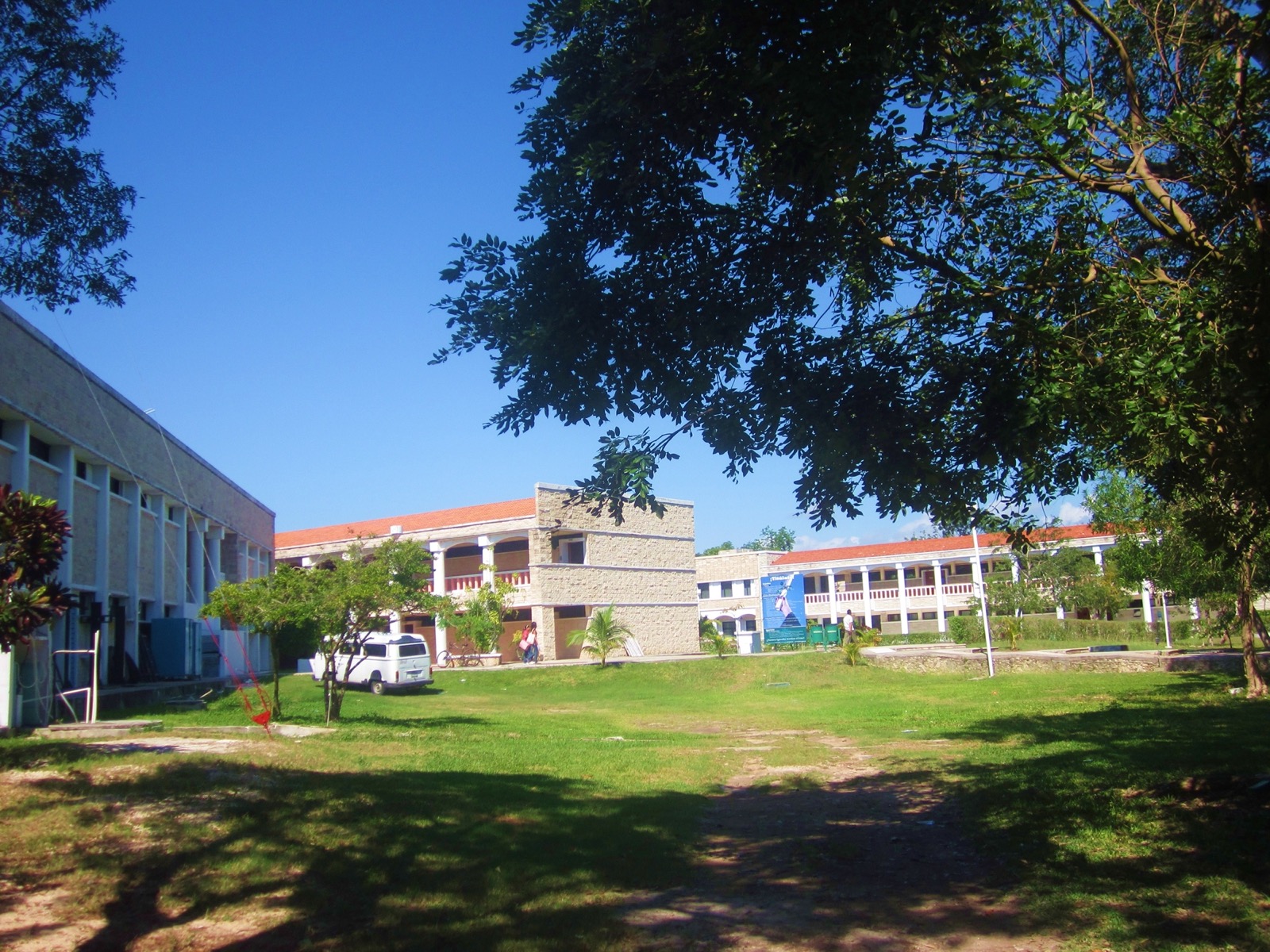
The third change brings the university into the work. Under the co-management framework, UQROO teachers, students and researchers will take part in biological monitoring projects, professional placements and long range conservation programs at the site. There is a history to that. The sanctuary's management program, decreed in April 2000, was drawn up by the university itself, so the agreement returns its authors to the ground it describes.
What the announcement does not contain matters as much. No term for the agreement was published, no budget, no staffing for the surveillance it promises and no measure of the land it covers. Those details may exist in the signed text, which has not been made public. Until it is, the agreement is best read as a statement of who is responsible, rather than a description of new resources on the beach.
Why this beach, and why this land
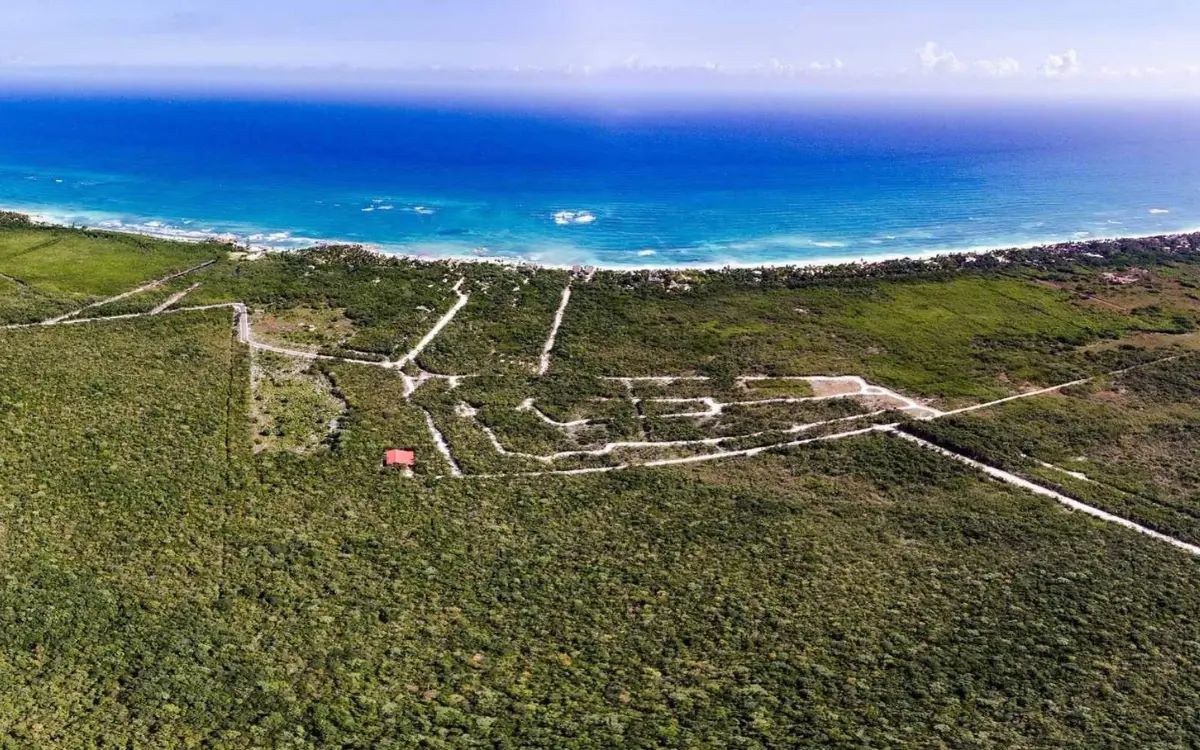
Xcacel-Xcacelito sits at kilometer 112 of Highway 307, beside the community of Chemuyil, between Akumal and Tulum. The state declared it a protected natural area in February 1998. The decree protects about 362 hectares, according to the published summary of it, of which around 35 are on land and the rest at sea. Since 2004 the beach has also been listed as a wetland of international importance under the Ramsar Convention.
The reason is the turtles. Between 1996 and 2022, the sanctuary recorded 54,214 green turtle nests and 9,030 loggerhead nests, according to IBANQROO figures published in 2023. That same year it logged its first leatherback nest in 36 years of conservation work. Those are historical totals, not this season's count, and IBANQROO has not published 2026 figures for Xcacel.
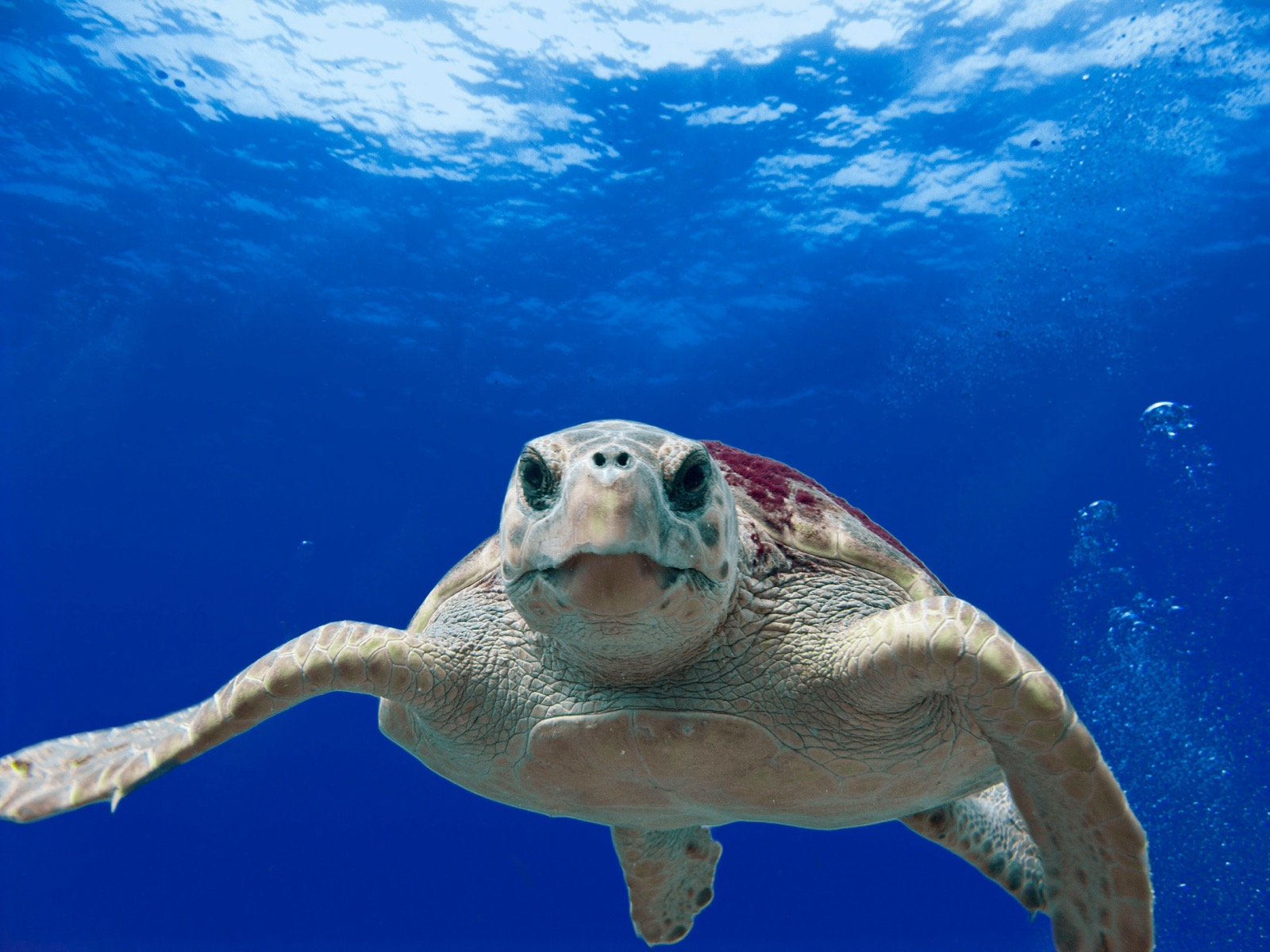
How the university came to own the land is part of the sanctuary's own history. As environmental groups recounted it in 2019, the plots around Xcacel were sold in 1998 for a development of five hotels. Citizens stopped the project, and a land exchange followed that left three of the plots with the university. The same groups say Semarnat, the federal environment ministry, has since turned down several proposals to build there.
What the agreement does not settle
The pact covers the university's land and its management. It does not change the size of the protected area, and a larger one is exactly what the sanctuary's longest standing defenders are asking for. In remarks reported by Novedades Quintana Roo on September 24, Araceli Domínguez, president of the Grupo Ecologista del Mayab, called on the state to use Tulum's new local ecological land use program, the POEL, to expand the sanctuary's boundary permanently, with zero density and full protection. She said the proposal has been delivered to the Tulum council, which is in the final stage of preparing the program. The sanctuary's management subcouncil has also formally asked for the neighboring plots, held by the university and by private owners, to be declared of public utility.
That request is not new. In May 2025 the subcouncil wrote to Governor Mara Lezama asking for a wider state protected area around Chemuyil and Xcacel, and said the supporting study had already been delivered. Whether the state takes that further step is a separate decision from the one signed this month. For anyone who owns or is looking at property on this stretch of coast, the POEL is the document to follow, because it is where land use next to the sanctuary will be set.
For more on this coast, see our report on Playa del Carmen's 2,000 turtle nests, or read about the town and its homes on our Akumal page.
Sources: The agreement, its signatories, witnesses and the statements of Javier Alberto Carballar Osorio, Gobierno de Quintana Roo and IBANQROO communiqué, Tulum, September 10, 2026, as published by El Sureste, Quinta Fuerza, Clic Noticias and Quadratín Quintana Roo on September 10 and by Novedades Quintana Roo on September 21, 2026. Nest totals from 1996 to 2022 and the first leatherback nest, IBANQROO via the Coordinación General de Comunicación de Quintana Roo, June 2023. Decree date, area, management program and Ramsar listing, the Xcacel-Xcacelito entry on Spanish Wikipedia, summarizing the 1998 and 2000 decrees. Land history, statement by Grupo Ecologista del Mayab and allied groups reported by El Universal, August 30, 2019. The subcouncil's May 2025 request, 24 Horas Quintana Roo, May 19, 2025. The POEL proposal and the public utility request, Novedades Quintana Roo, September 24, 2026. Akumal's season count, 24 Horas Quintana Roo, September 11, 2026. Main image: dronepicr, CC BY 2.0, via Wikimedia Commons.
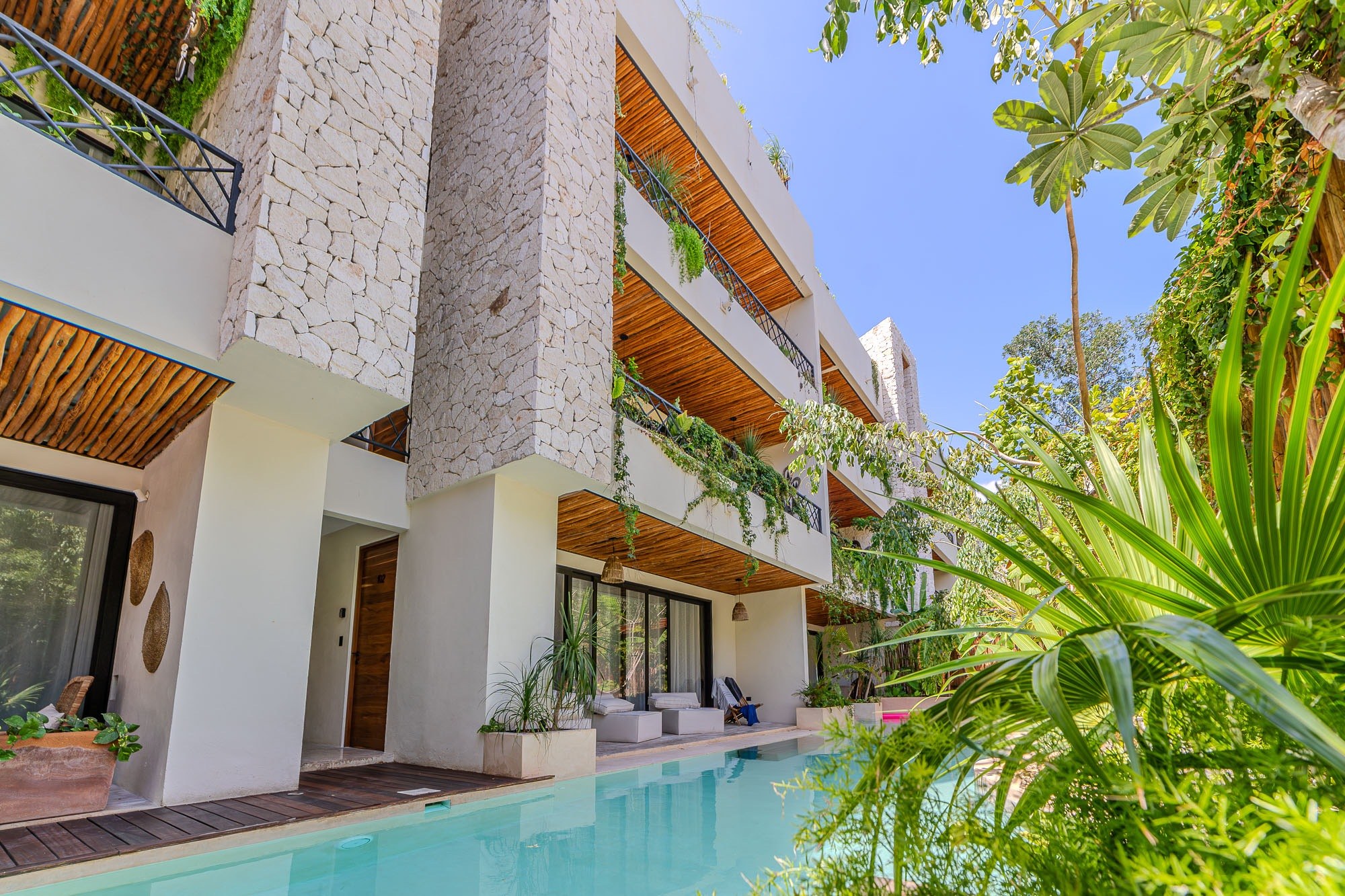
Itza II | 2 Bedroom Furnished Apartment with Private Jacuzzi in Aldea Zama, Tulum
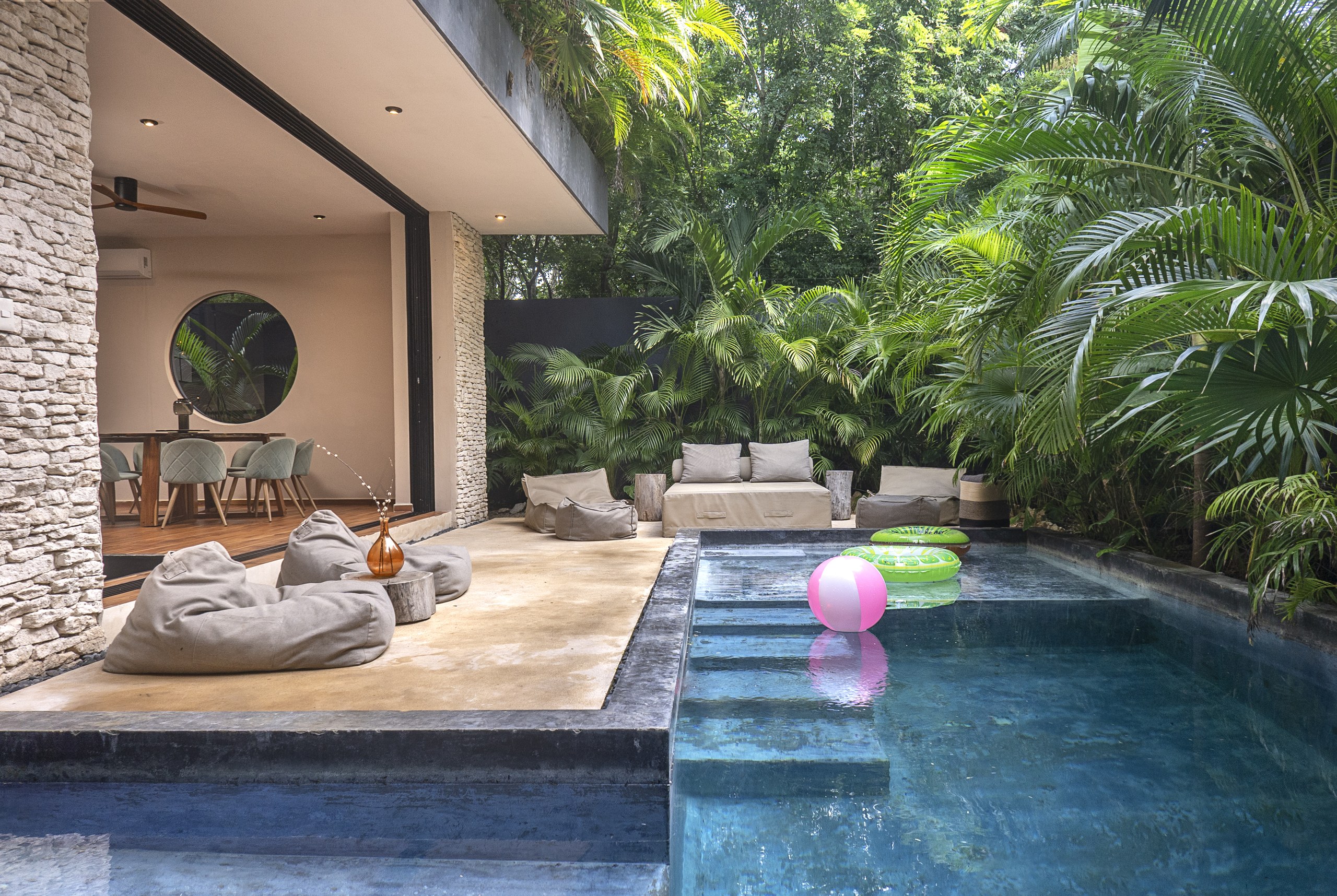
Maison Siscolino | 4 Bedroom Villa with Swim Up Pool and Rooftop Plunge Pool in Region 15, Tulum
Maison Siscolino, Region 15 Tulum. Furnished four bedroom villa, 245 m² on a 301 m² lot with swim up pool and rooftop plunge pool.
We are the ultimate guide to invest in Tulum
The complete guide to buying property in Tulum. Find homes for sale, condos or land and consult with an experienced real estate advisor.
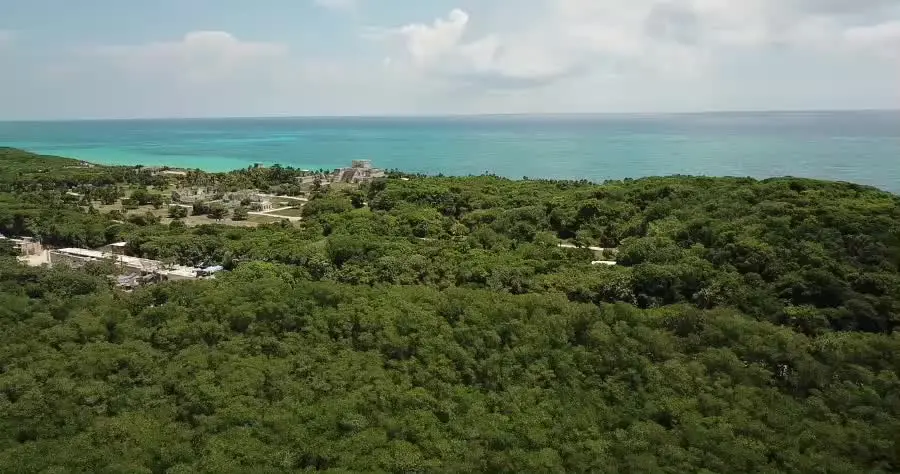
News: Real Estate, Lifestyle and Growth Across the Riviera Maya
The latest from Tulum, the Riviera Maya and the Mexican Caribbean, from market trends and investment opportunities to lifestyle and the infrastructure shaping the coast.