Mérida takes its 1,562-million-peso metropolitan plan to the federal roads ministry


Yucatán's governor, Joaquín Díaz Mena, sat down with Mexico's infrastructure and transport secretary in Mexico City on 24 September to line up the road works in the Plan Bienestar Metropolitano, the state's three-year program for water, security and traffic across greater Mérida. The 1,562 million pesos attached to the meeting in the reports is not a federal road grant: it is the long-term financing Yucatán's Congress authorized in August, and roads are one of three things it pays for.
That distinction matters because the coverage has blurred it. One Mérida outlet reported the meeting as the governor securing 1,562 million pesos of federal money for road works. The state's own account of the same meeting is more careful. It says Díaz Mena presented the secretary, Jesús Antonio Esteva Medina, with the overall vision of a plan that "contempla una inversión de mil 562 millones de pesos", and that the two governments agreed to keep technical teams working together so the road works in the plan advance in an orderly way. The federal role, on the state's telling, is coordination to move the projects from design to construction. The money has a longer story.
A plan built on a public consultation
The governor presented the Plan Bienestar Metropolitano to the state planning council, the Copledey, on 12 August. It covers Mérida and the 12 other municipalities around it, where 57.1% of Yucatán's population lives, and puts the total investment at 4,490.9 million pesos over three years. The state says the plan was shaped by 16 consultation tables and a survey with 34,631 responses. More than 95% of participants asked for better drinking water and wastewater treatment, 74% rated road modernization as very necessary, and 71% asked for a stronger state police force. The funding, according to the state, combines long-term borrowing for the most urgent infrastructure, state budget resources and complementary federal funds.
The roads
Mobility gets about 1,600 million pesos, for what the plan calls the Red Metropolitana de Vialidades Seguras, a network of safe roads. It targets the most critical points of a system the state says carries more than 200,000 vehicles a day. The named works are the modernization of the intersection of the Periférico, the ring road around the city, with Calle Canek; renovation of the roads beneath seven vehicle overpasses; 3,164 LED street lights; and five pedestrian structures that the state says will protect more than 36,000 public-transport users a day. These are the works now being coordinated with the federal infrastructure ministry, the SICT, whose secretary was joined at the 24 September meeting by Yucatán's infrastructure secretary, Alaine López Briceño, and the head of the state highway institute, Juan Manuel Cardós Pereira.
Water first, then security
Water is the largest single line. The state's 8 September release, issued after the governor met the head of the national water commission (Conagua), Efraín Morales López, puts it at 1,813.5 million pesos. The works include a full rehabilitation of the Mérida I and Mérida II water plants, dividing the distribution network into sectors (which the plan presented on 12 August says will recover up to 72 million cubic meters of water a year), and new electromechanical equipment. The state says this will recover 400 liters per second on the Mérida I line, reach 123 neighborhoods that now get low pressure or intermittent supply, and extend coverage from 442,000 to more than 596,000 homes. New wastewater treatment plants are planned at Cielo Alto, Caucel 1 and Caucel 2, to protect the aquifer that is the region's only source of water.
Security adds 44 smart monitoring points, 30 license-plate reader arches, 342 more cameras, and five public-security centers in Ucú, Umán, Kanasín, Conkal and the eastern edge of Mérida, which the state says will directly serve more than 350,000 people. Yucatán has long presented itself as Mexico's most peaceful state, and the plan's stated aim here is to keep it so.
The money, read carefully
The 1,562 million pesos is borrowing. The governor signed the request to Congress at the 12 August session, and on 24 August the state Congress authorized borrowing of up to that amount for 2026 and 2027, by 31 votes to 3, according to Por Esto and NTP Noticias. The same reports say the funds are for productive public investment in the plan, mainly water, mobility and security, and that the vote also authorized refinancing of up to 9,267.7 million pesos of existing state debt. Ahead of the vote the state pointed to its finances: first place nationally in the federal treasury's 2026 assessment of results-based budgeting, with 97.9 points out of 100, a green light on all three indicators of the treasury's debt-alert system, and what it described as the most competitive average spread on long-term loans in the country, 0.33%.
What this does and does not mean
It does not mean construction has started, or that a date is set. Speaking on 22 September, two days before the SICT meeting, the governor said the list of executive projects should be well advanced by the end of this year, while the loan itself is put out to tender "at the best possible financial cost for Yucatán". The road works have been reviewed and prioritized, not tendered. No SICT statement on the meeting could be found, so the federal commitment rests on the state's account. And the plan is new borrowing, approved over the objections of three legislators, which the state will be repaying long after this administration.
What it does mean is that Mérida's next three years of public works now have a published list, a price and a sequence: water with Conagua, roads with the SICT, then security. The Periférico, the overpasses and the water network are the infrastructure most of the metropolitan area depends on, and each now has a line in a plan with its financing in place. For an overview of the city and the homes and lots TLAP lists there, see our Mérida page.
Sources: Government of Yucatán, press releases 26-1320 (11 August), 26-1334 (12 August, Copledey session), 26-1480 (8 September, meeting with Conagua) and 26-1552 (24 September, meeting with the SICT), 2026; Por Esto and NTP Noticias, 24 August 2026 (Congress vote); Haz Ruido, 22 September 2026 (governor on timing); El Cronista Yucatán, 24 September 2026.
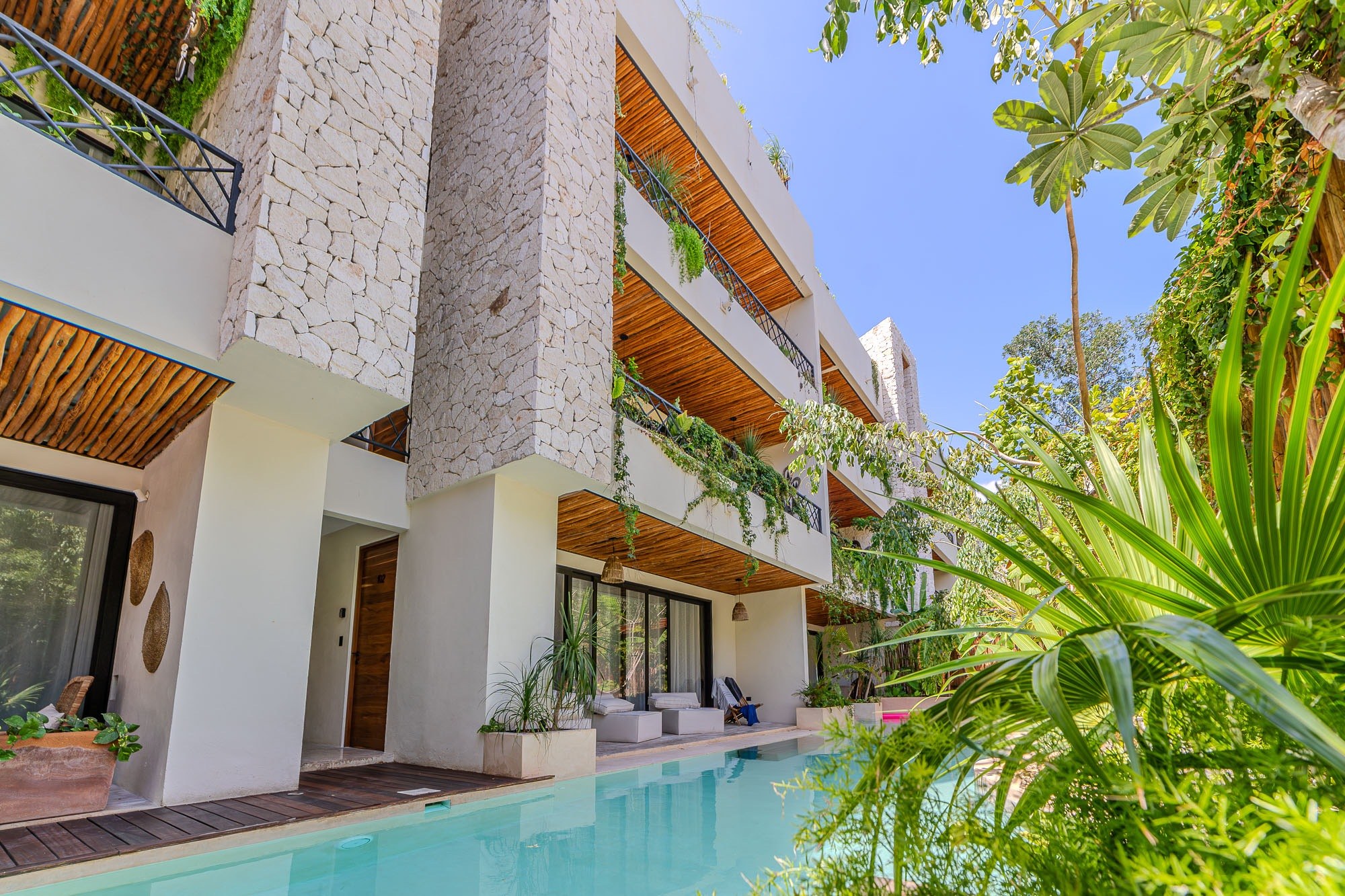
Itza II | 2 Bedroom Furnished Apartment with Private Jacuzzi in Aldea Zama, Tulum
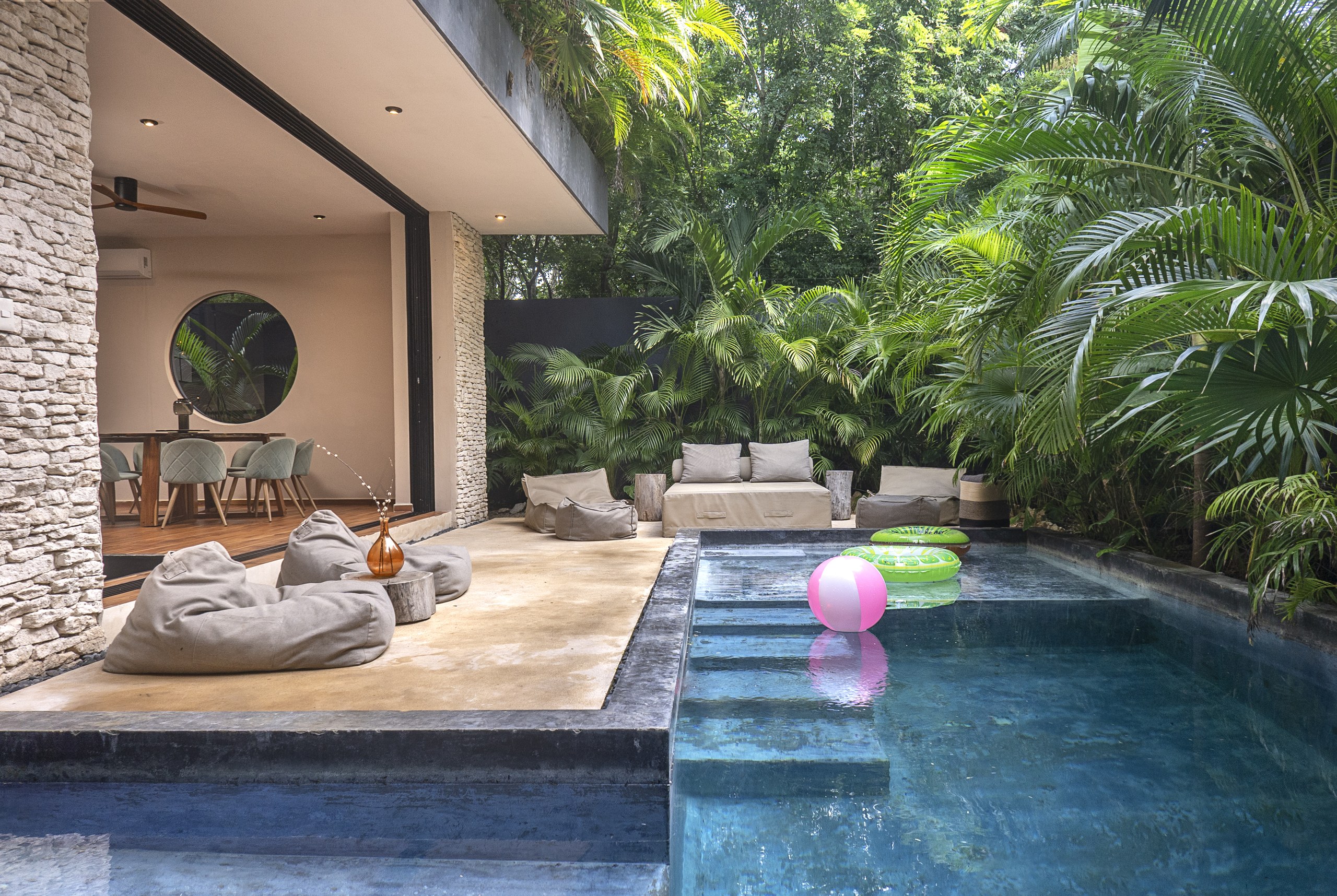
Maison Siscolino | 4 Bedroom Villa with Swim Up Pool and Rooftop Plunge Pool in Region 15, Tulum
Maison Siscolino, Region 15 Tulum. Furnished four bedroom villa, 245 m² on a 301 m² lot with swim up pool and rooftop plunge pool.
Follow our Tulum market reporting in Google.
Add to preferred sourcesWe are the ultimate guide to invest in Tulum
The complete guide to buying property in Tulum. Find homes for sale, condos or land and consult with an experienced real estate advisor.
News: Real Estate, Lifestyle and Growth Across the Riviera Maya
The latest from Tulum, the Riviera Maya and the Mexican Caribbean, from market trends and investment opportunities to lifestyle and the infrastructure shaping the coast.