Nearly 8,000 Flamingo Chicks Hatched at Ria Lagartos This Season
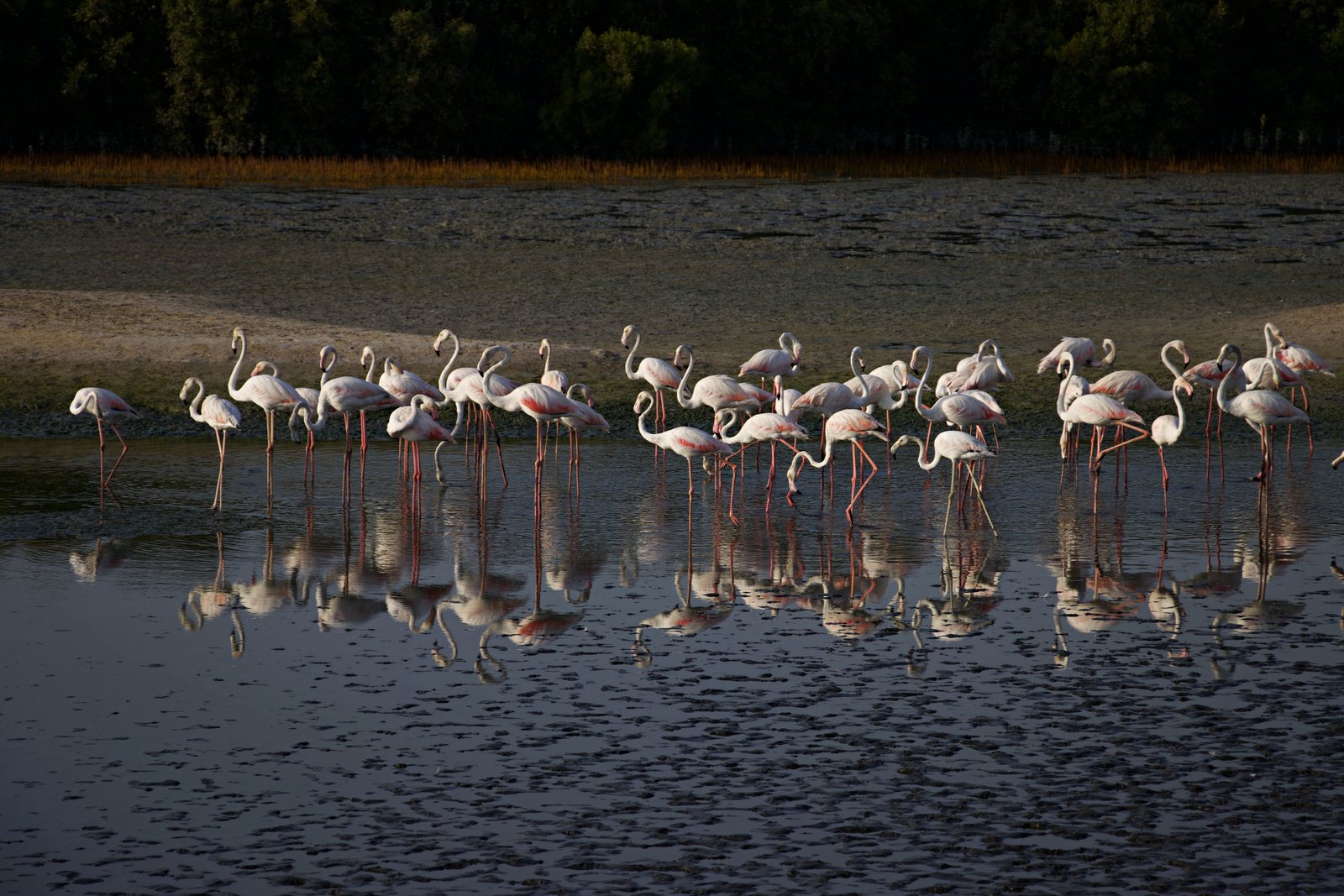


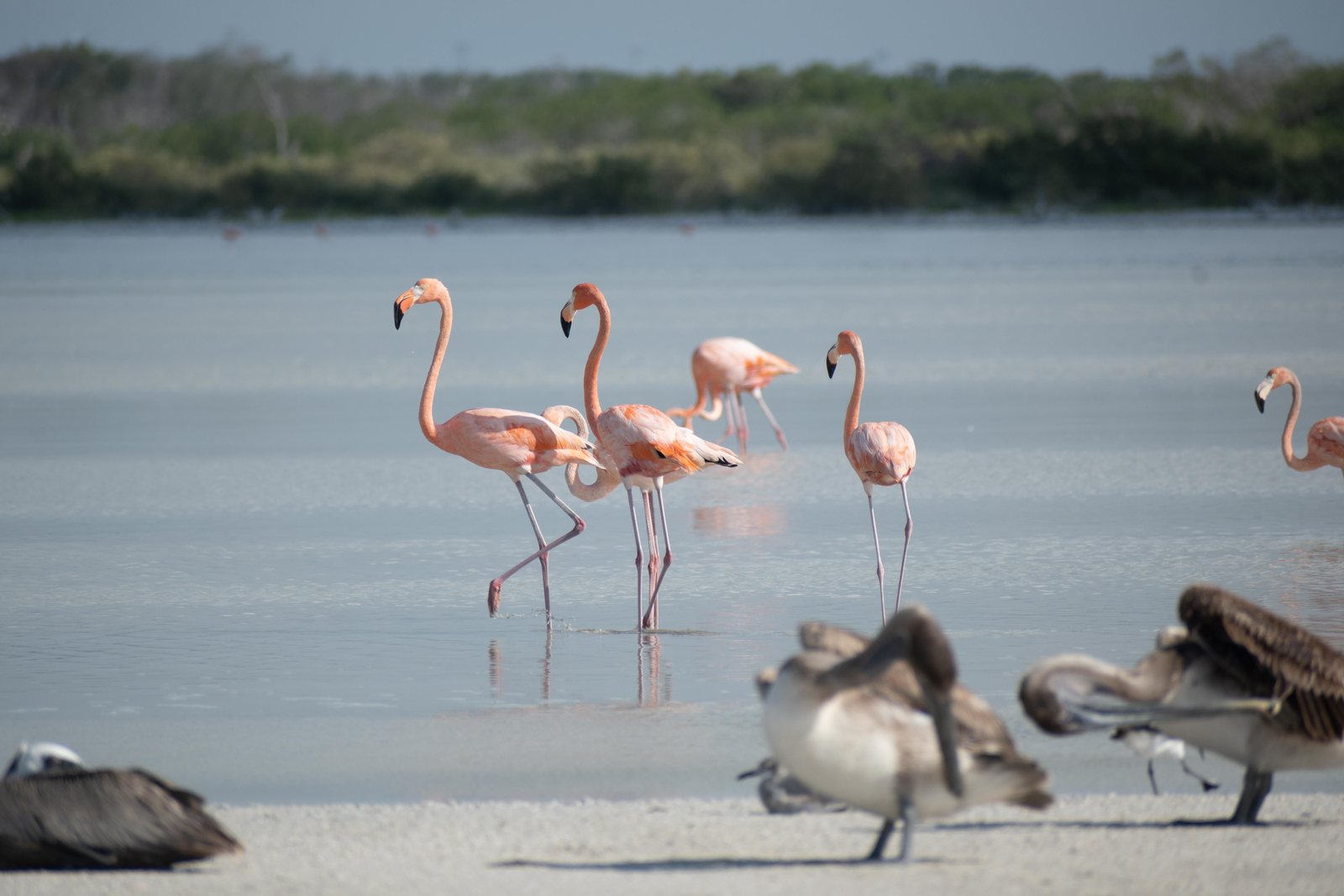
Four hundred and twenty-five American flamingos have been caught, weighed, measured, sampled and released at a site called Angostura in Las Coloradas, on the northern coast of Yucatan. The banding itself is routine conservation work. The number that came out alongside it is the one worth reading: drone counts across the reserve documented 12,500 nests this season, a hatching rate of 63.84 percent, and 7,980 chicks.
Roughly 24,000 flamingos are in the nesting zone. This is the largest colony of American flamingos in Mexico, and it sits inside the Ria Lagartos Biosphere Reserve, reached from three small towns on that coast: Rio Lagartos, Las Coloradas and El Cuyo.
What banding actually does
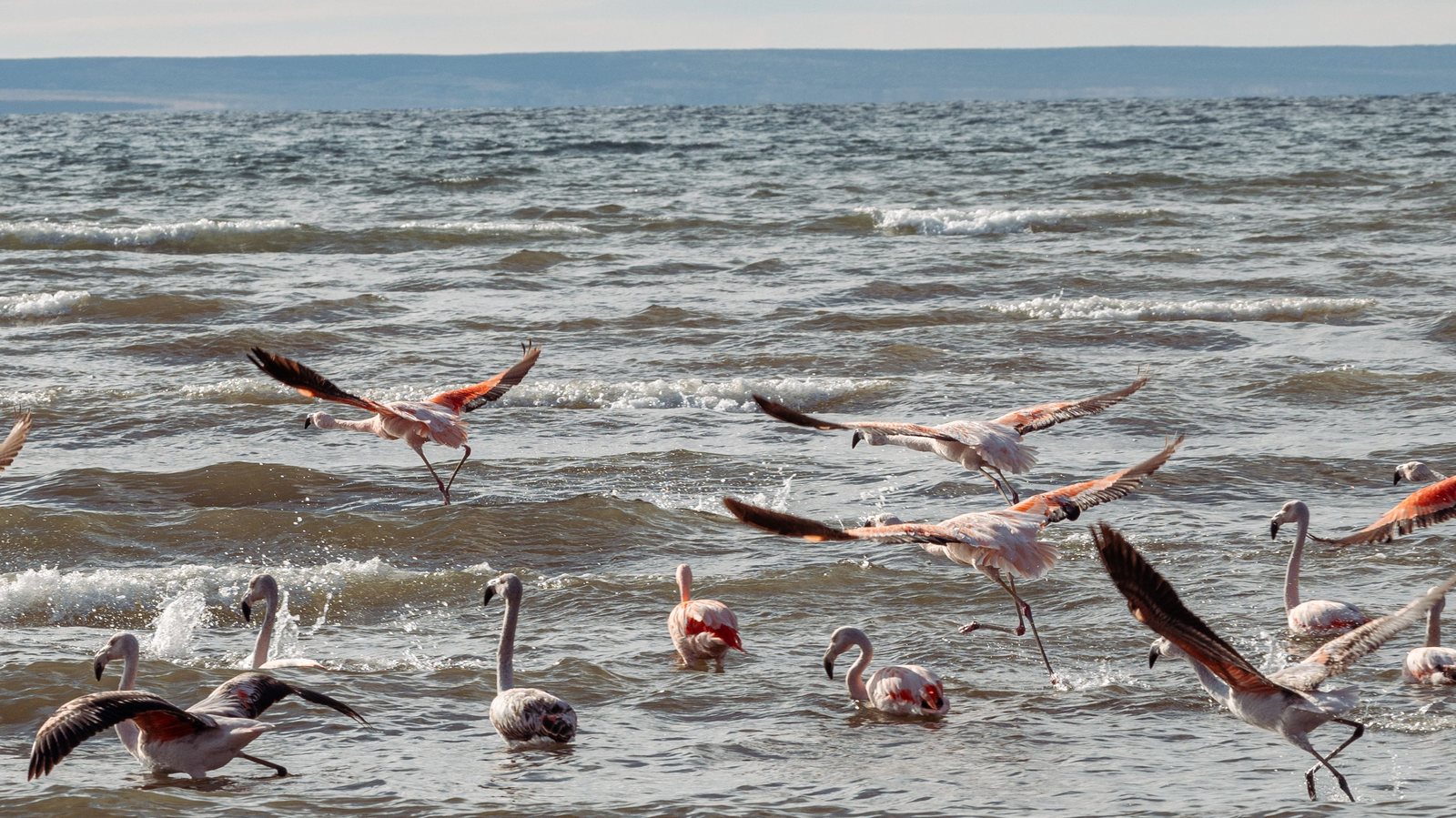
A banded bird is a bird you can recognise again. Each one caught at Angostura had its weight and measurements recorded and medical samples taken, which together give researchers three things they cannot otherwise get: where the birds go when they leave, how healthy the population is, and how long individuals actually live.
The operation was run by the National Commission of Natural Protected Areas through the reserve, and the list of bodies involved is longer than the work sounds. Conanp's Yucatan Peninsula and Mexican Caribbean regional directorate, Semarnat's wildlife directorate in Yucatan, the state Environment Secretariat, the Federal Prosecutor's Office for Environmental Protection, the municipal government of Rio Lagartos, and Senasica's Newcastle disease and avian influenza campaign, alongside veterinarians and biologists.
That last partner is the one most people would not predict. Flamingo banding is also disease surveillance, and a colony of 24,000 birds on a migratory route is exactly where you would want to be watching for avian influenza.
Why the count matters more than the bands
A 63.84 percent hatching rate across 12,500 nests is a measured figure rather than an estimate, produced by drone survey rather than by walking the colony, which is both more accurate and far less disruptive than the alternative.
It is also a number that can be compared next year, and the year after. Conservation reporting on this coast has historically been long on adjectives and short on baselines. A drone-counted nest total with a hatching rate attached is a baseline.
The towns at the edge of it
The reserve holds crocodiles, sea turtles and close to 400 bird and migratory species alongside the flamingos, and its peak season runs April to July, when gatherings can reach tens of thousands of birds.
El Cuyo sits at the eastern end of it, a fishing village of a few hundred people with sand streets, a lighthouse and a long shallow beach on the Gulf side. It is the quietest of the three access towns and the furthest from anywhere, three hours from Merida and four from Cancun. The reserve is the reason the coast around El Cuyo has not been built on, and the flamingo colony is the most visible piece of that reason.
The practical consequence for El Cuyo is that its protection is federal rather than local. A village can change its mind about development. A biosphere reserve with a banded, drone counted flamingo colony inside it is considerably harder to reverse, and that is what sits along the coast in both directions from the town.
What this does and does not prove
It does not prove the population is growing. Conanp reported 14,757 nests at the same reserve in 2025, then the highest count since monitoring began, so this season's 12,500 is lower, and two seasons are not a trend.
Nor does banding protect anything by itself. It generates data. What that data supports depends on what the reserve and the agencies around it do with it.
What it does establish is that the colony is being counted properly, sampled for disease and tracked as individuals, by a group of federal, state and municipal bodies working the same site. On a coast where a great deal of conservation is asserted rather than measured, that is the distinction worth noticing.
Sources: Banding of 425 American flamingos at the Angostura site in Las Coloradas by the National Commission of Natural Protected Areas through the Ria Lagartos Biosphere Reserve, with participating agencies, data collected, nesting zone population, drone-counted nest total, hatching rate and chick count, reported by Riviera Maya News, 20 August 2026. Reserve species range and peak flamingo season, Ria Lagartos Biosphere Reserve.
Corrected 5 October 2026: an earlier version of this article said there was no published comparison against previous years. Conanp reported 14,757 nests at Ría Lagartos in 2025, so the 2026 count is lower. Source: Crónica, May 30, 2025.
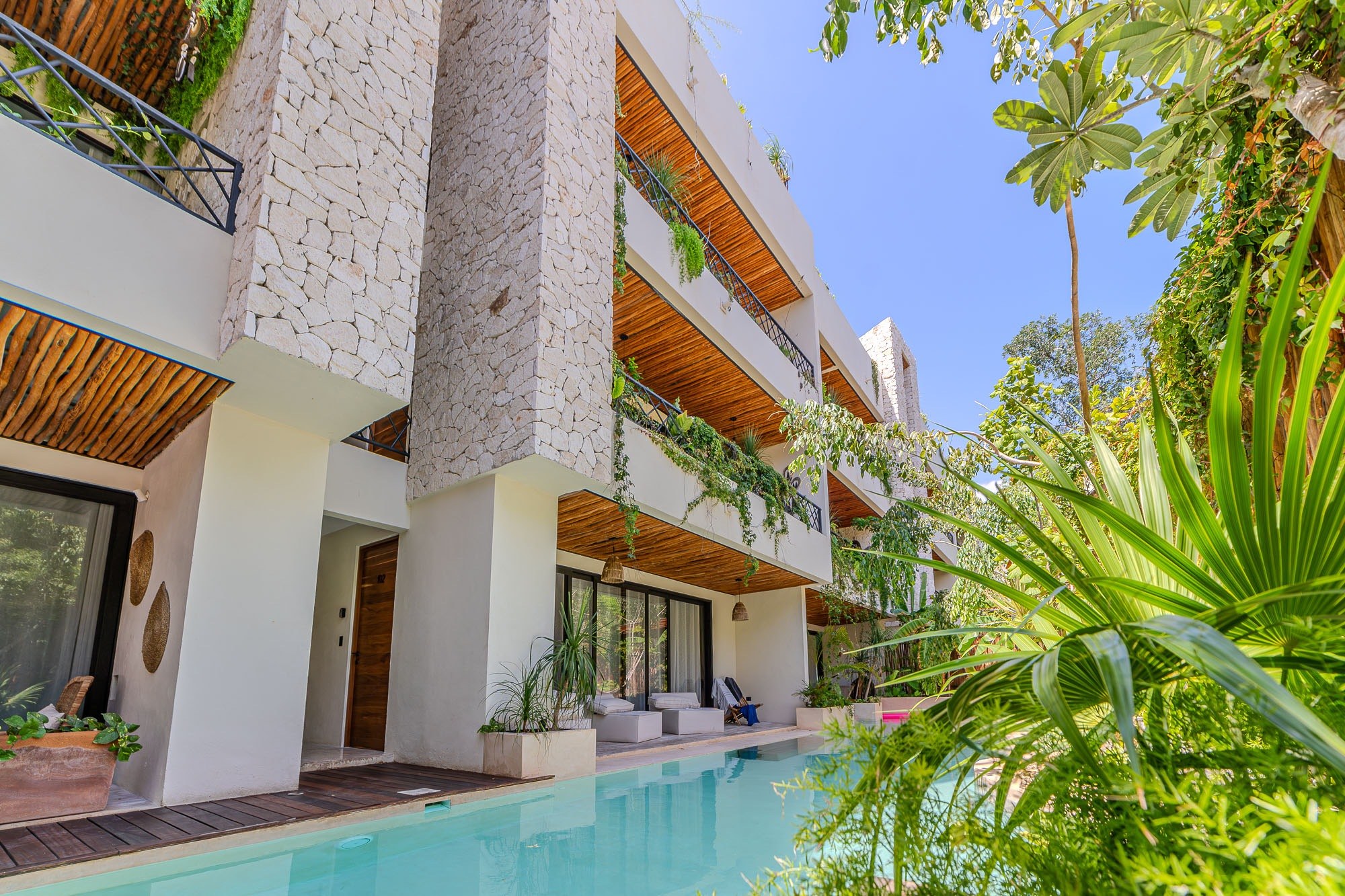
Itza II | 2 Bedroom Furnished Apartment with Private Jacuzzi in Aldea Zama, Tulum

Maison Siscolino | 4 Bedroom Villa with Swim Up Pool and Rooftop Plunge Pool in Region 15, Tulum
Maison Siscolino, Region 15 Tulum. Furnished four bedroom villa, 245 m² on a 301 m² lot with swim up pool and rooftop plunge pool.
Follow our Tulum market reporting in Google.
Add to preferred sourcesWe are the ultimate guide to invest in Tulum
The complete guide to buying property in Tulum. Find homes for sale, condos or land and consult with an experienced real estate advisor.
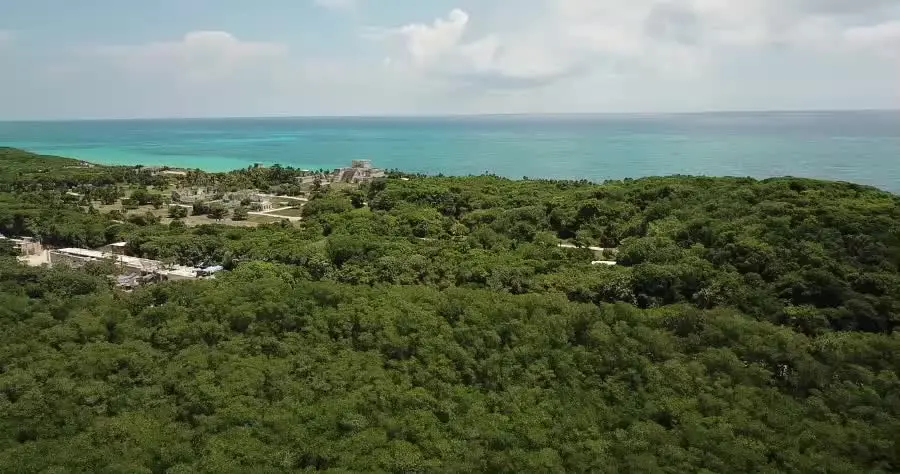
News: Real Estate, Lifestyle and Growth Across the Riviera Maya
The latest from Tulum, the Riviera Maya and the Mexican Caribbean, from market trends and investment opportunities to lifestyle and the infrastructure shaping the coast.