Tulum Is Training the People Its Visitors Actually Meet


A visitor's opinion of Tulum is not formed by a hotel group or a tourism board. It is formed by a driver, an officer, a stallholder and whoever is behind a counter at eight in the morning. Everything else is advertising. This month the state and the municipality both spent money on that front line, and the two efforts are worth reading together.
On 13 August, Quintana Roo's tourism secretariat put more than three hundred people through a service programme in Tulum. Eighteen months earlier the municipality had stood up a police unit whose entire brief is the people who arrive with suitcases. Neither is glamorous and neither came with a ribbon. Both are the destination admitting that it is judged at the point of contact.
Three hundred people, and the taxi union hosted the last session
The programme ran under the name Marketing Turístico para Tulum, delivered by Sedetur and led by the instructor Sergio González Rubiera. More than three hundred people attended across two conferences and a workshop — service providers, front-of-house staff, hotel workers, taxi drivers, and members of the general public, since enrolment was open rather than restricted to the trade.
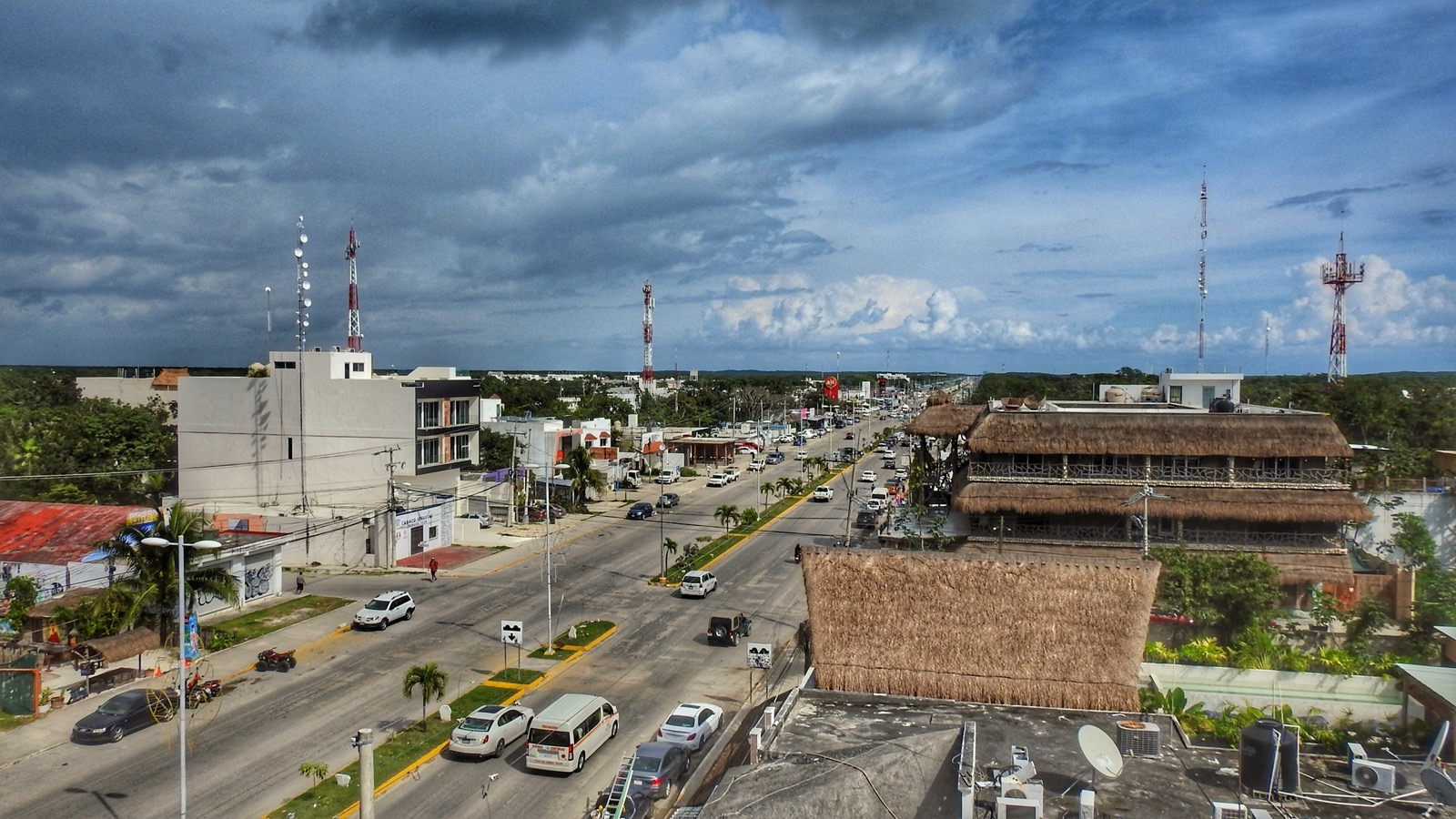
It opened at the Hotel Akumal Bay Beach & Wellness in Akumal and closed at the hall of the Sindicato de Taxistas de Tulum, “Tiburones del Caribe”. Bernardo Cueto Riestra, the state Secretary of Tourism, was joined across the sessions by Manuel Enrique Solís Alcocer, general secretary of the taxi drivers' union, Enrique Rodríguez Luna, executive director of the Tulum Hotels Association, and Haydee Desirée Hernández Pastrana, director general of tourism for the Tulum municipal government.
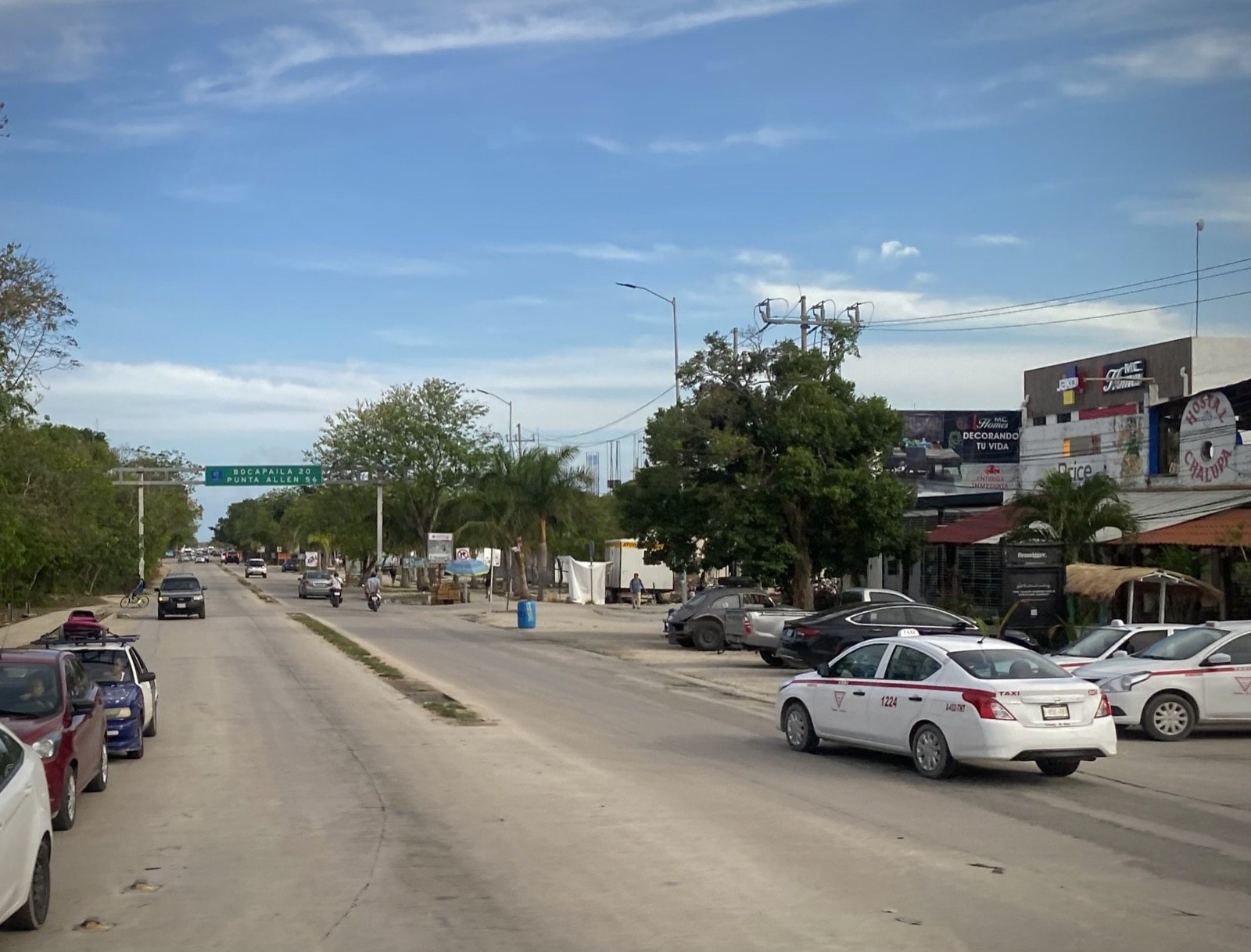
Anyone who has spent a week in Tulum knows the taxi is where the destination is most often judged. Fares are negotiated rather than metered, and the union has historically been the immovable object in every conversation about how visitors are treated. A union hall used as a state training venue is a small thing. It is also a different posture from the one the industry is used to.
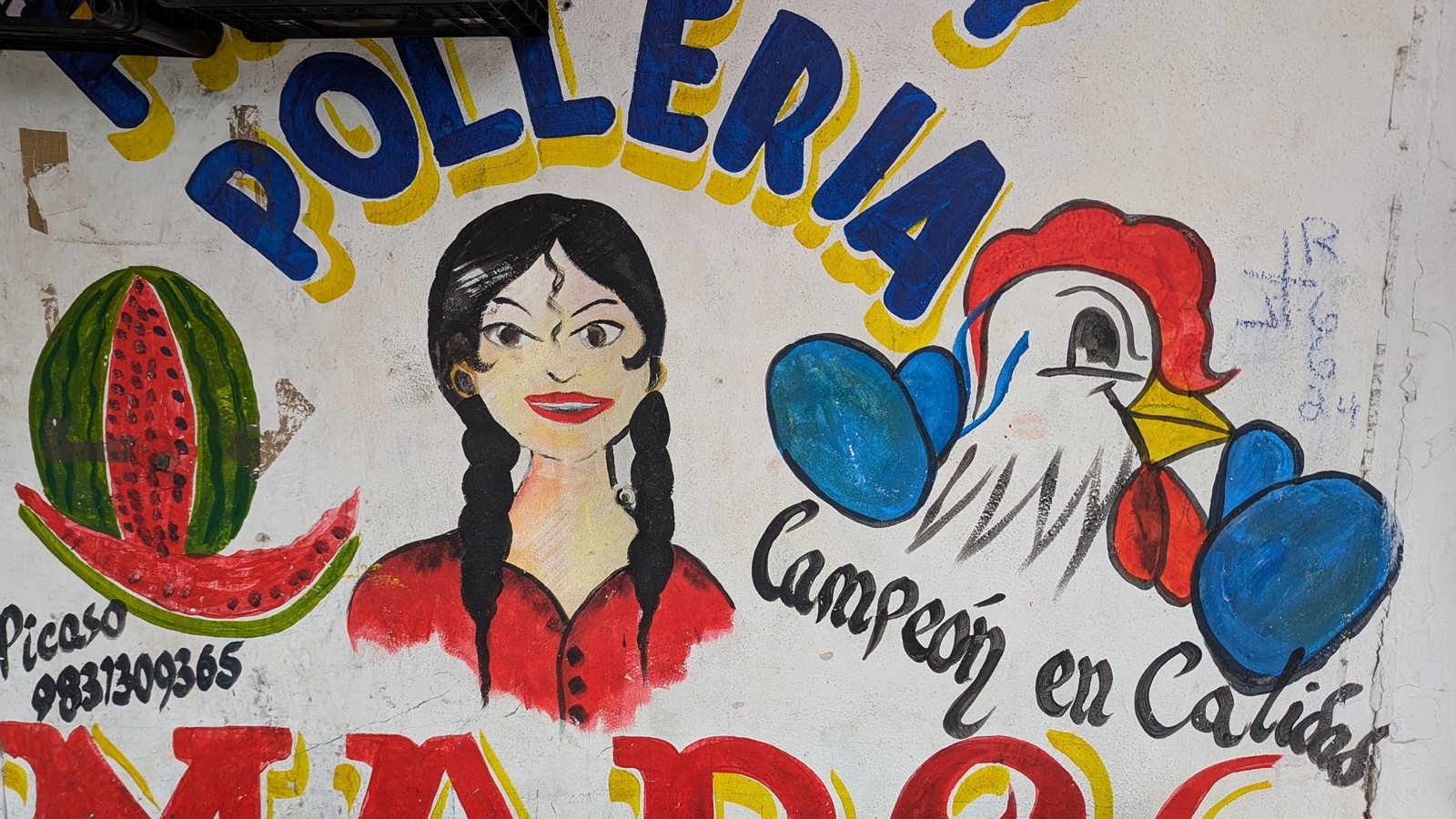
The curriculum is worth reading twice. Half is what you would expect — service quality, handling visitors' emotions, added value. The other half is marketing: communication tools, social media, current trends in promotion. That is an acknowledgement that in Tulum the small operator is now his own marketing department. A driver with a WhatsApp business number and a palapa restaurant with an Instagram account compete for attention against groups with budgets, and the state has decided that teaching them to do it is cheaper than promoting the destination over their heads.
The officers on the same errand
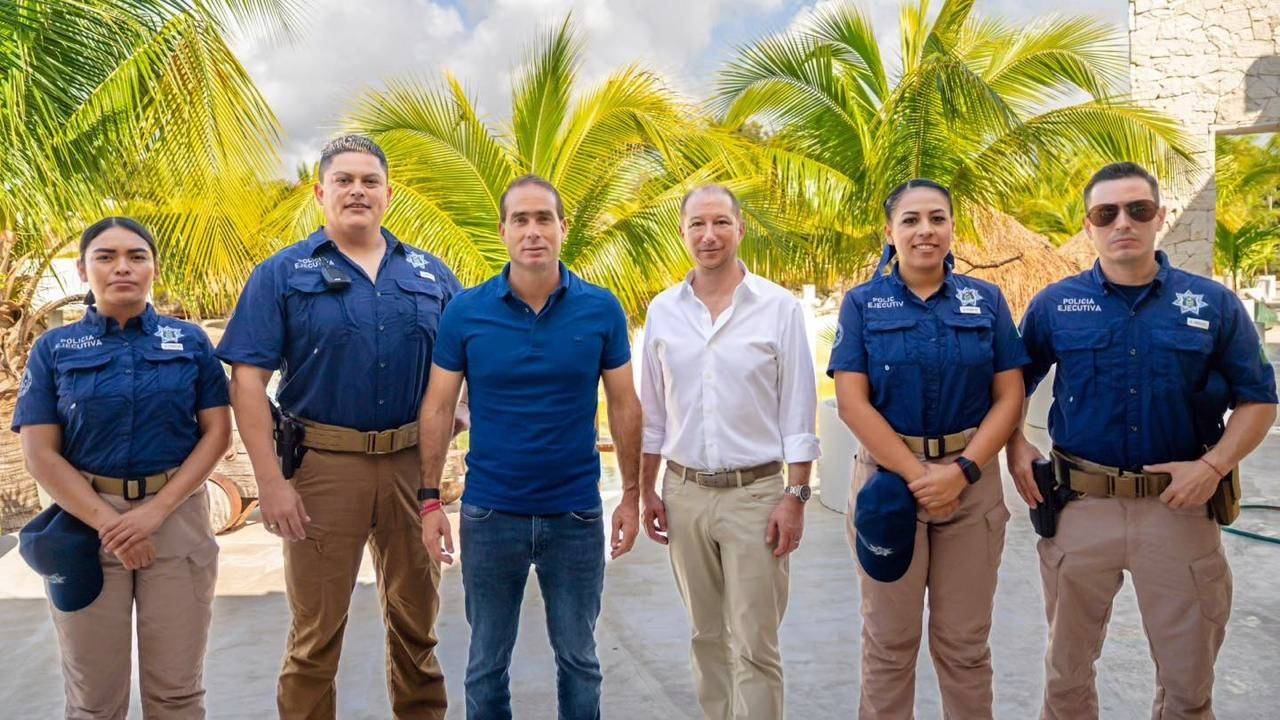
The policing side started earlier. In February 2025 the municipal government announced a Policía Ejecutiva dedicated to the hotel zone, deploying an initial 22 officers that March with the stated intention of reaching one hundred. Roughly twenty-five were specifically selected for visitor care. They were trained through the State Police Academy and the unit is financed by the private sector under the Blindaje Tulum strategy, which is an unusual arrangement and worth stating plainly rather than glossing.
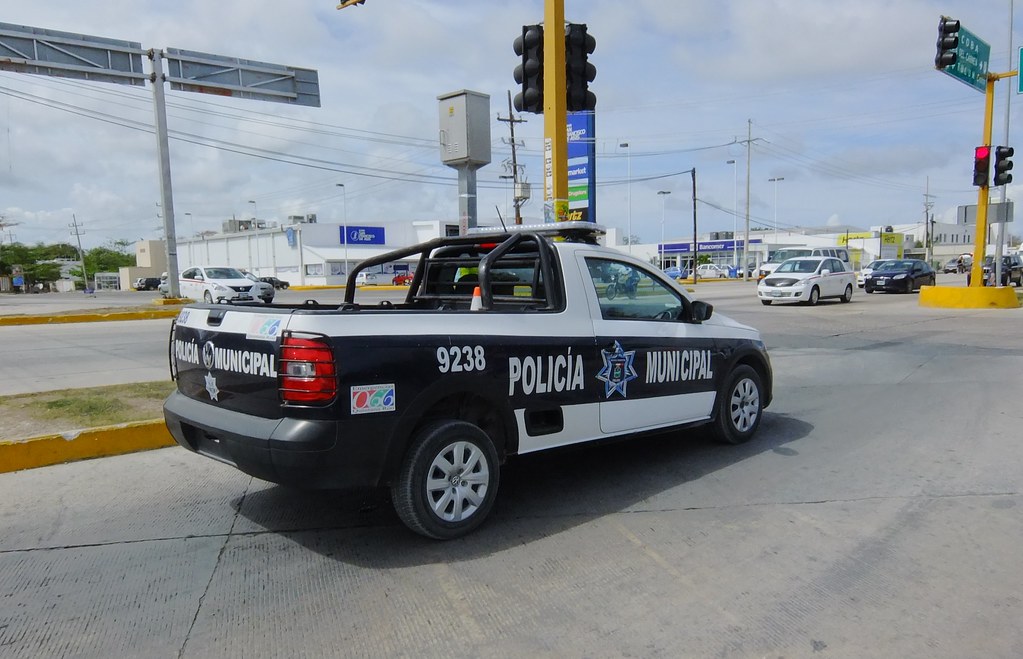
Different department, different budget, different year — but the same underlying idea. A specialised unit for the hotel zone and a service course for taxi drivers are two answers to one question: who does the visitor actually deal with, and has anybody trained them?
What this does and does not prove
A one-day course does not change how a town works. Three hundred people is a real number and a small fraction of Tulum's service workforce, and no follow-up, assessment or measurement was announced alongside it. Attendance is not competence, and a workshop on emotional handling does not resolve a fare structure. Nor has the police unit published figures on whether it reached the hundred officers it aimed for. If neither programme is running again in six months, both read as photocalls.
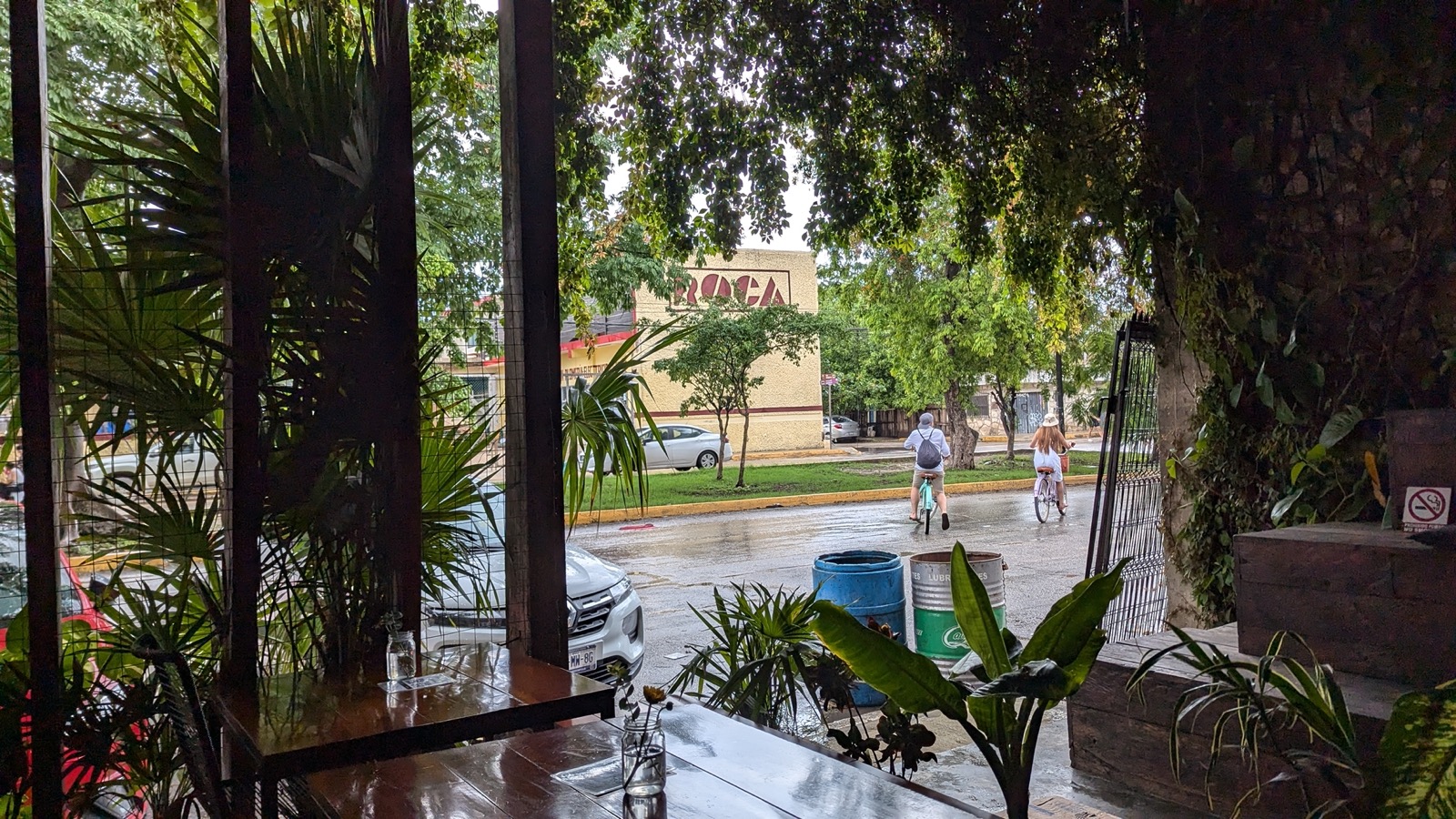
What the timing does show is intent. Mid-August is the bottom of the calendar in Quintana Roo, the quiet stretch after the summer domestic season and before the winter arrivals build. It is the only point in the year when three hundred people who work in tourism can leave their posts for a day. Running the training now, rather than announcing it in November, is the difference between preparation and public relations.
Tulum has spent several years being told what it is worth. This is a quieter kind of news — no ribbon, no figure, no forecast. Just the people who meet the visitors being given somebody's attention before the season starts.
Sources: Coordinación General de Comunicación, Gobierno del Estado de Quintana Roo, on the Sedetur strategy “Marketing Turístico para Tulum”, 13 August 2026. Policía Ejecutiva detail from the Tulum municipal announcement of 25 February 2025 and the deployment of 6 March 2025.
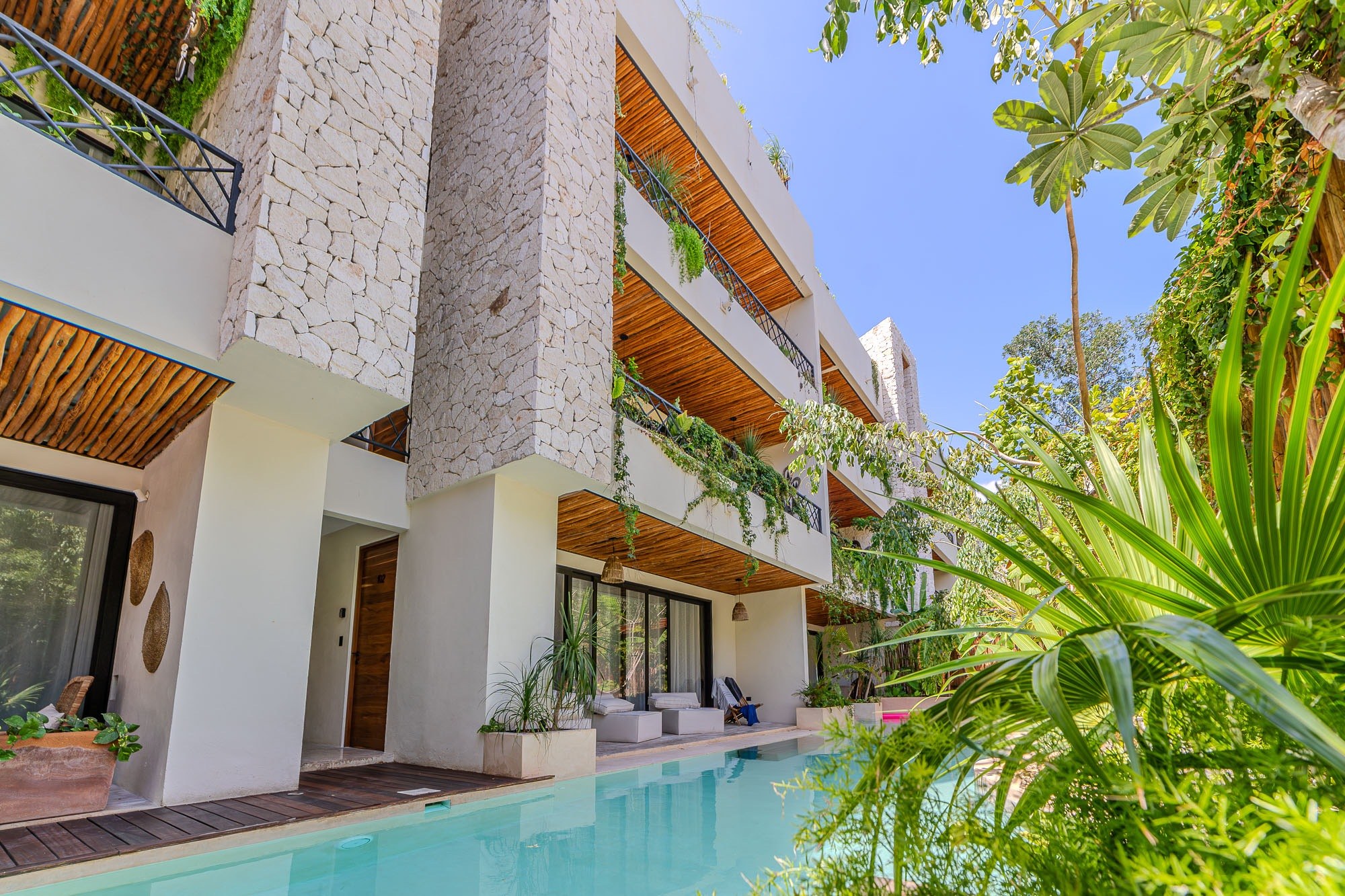
Itza II | 2 Bedroom Furnished Apartment with Private Jacuzzi in Aldea Zama, Tulum

Maison Siscolino | 4 Bedroom Villa with Swim Up Pool and Rooftop Plunge Pool in Region 15, Tulum
Maison Siscolino, Region 15 Tulum. Furnished four bedroom villa, 245 m² on a 301 m² lot with swim up pool and rooftop plunge pool.
Follow our Tulum market reporting in Google.
Add to preferred sourcesWe are the ultimate guide to invest in Tulum
The complete guide to buying property in Tulum. Find homes for sale, condos or land and consult with an experienced real estate advisor.
News: Real Estate, Lifestyle and Growth Across the Riviera Maya
The latest from Tulum, the Riviera Maya and the Mexican Caribbean, from market trends and investment opportunities to lifestyle and the infrastructure shaping the coast.