Xel-Há Reopens Near Tulum, the Last of Eleven Sites in the State Programme
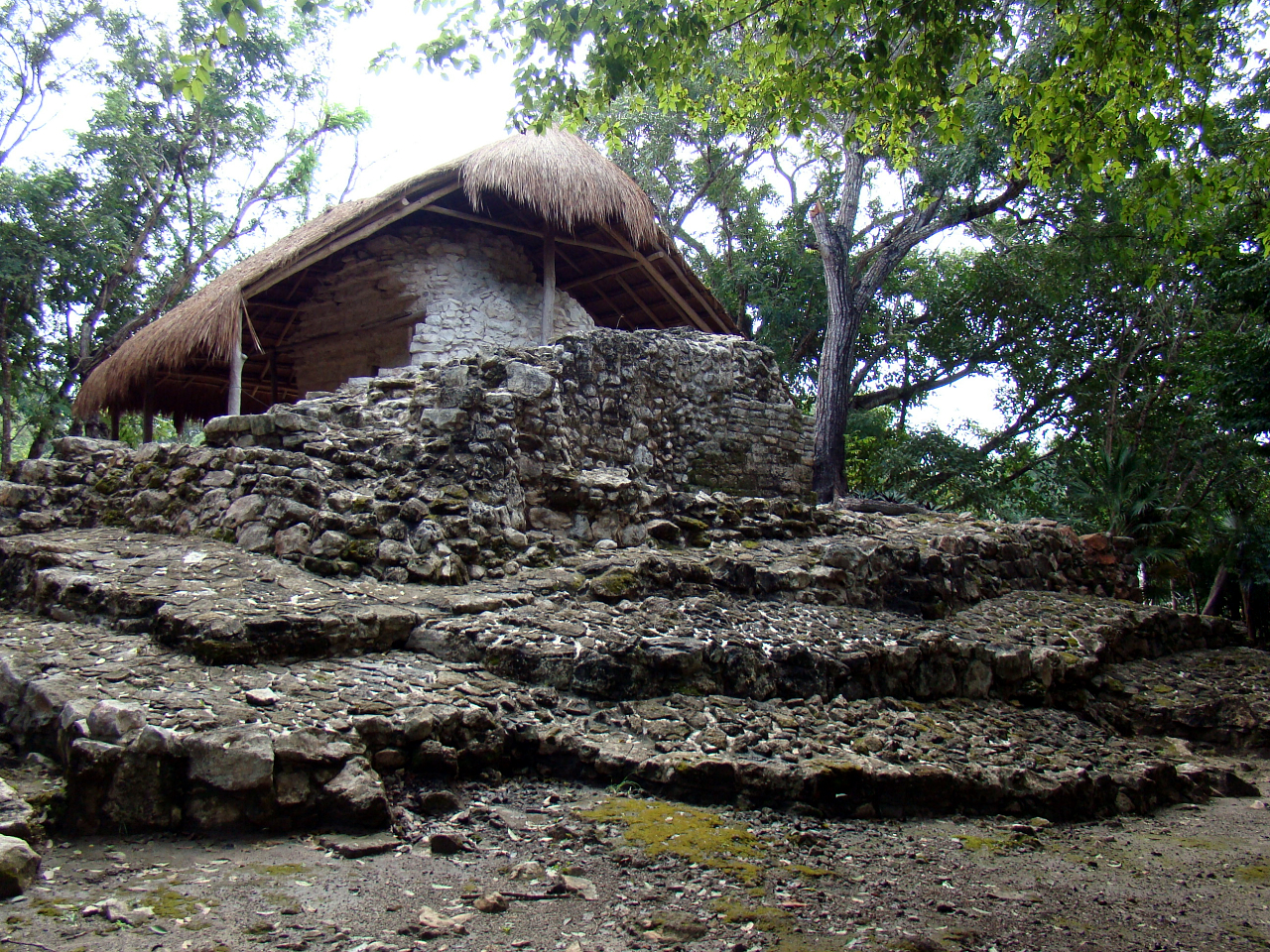


On Monday 6 July 2026 the National Institute of Anthropology and History reopened the Xel-Há archaeological zone in the municipality of Tulum. Riviera Maya News described the works that closed it as a year-long restoration, and the reason it was shut is more interesting than the reopening itself.
First, a distinction worth making, because almost every mention of the name gets it wrong. This is not the Xel-Há eco-park across the highway, which never closed and which sells snorkelling. This is the ancient Maya settlement of the same name — smaller, quieter, largely ignored, and roughly a kilometre inland from the water park that borrowed its name.
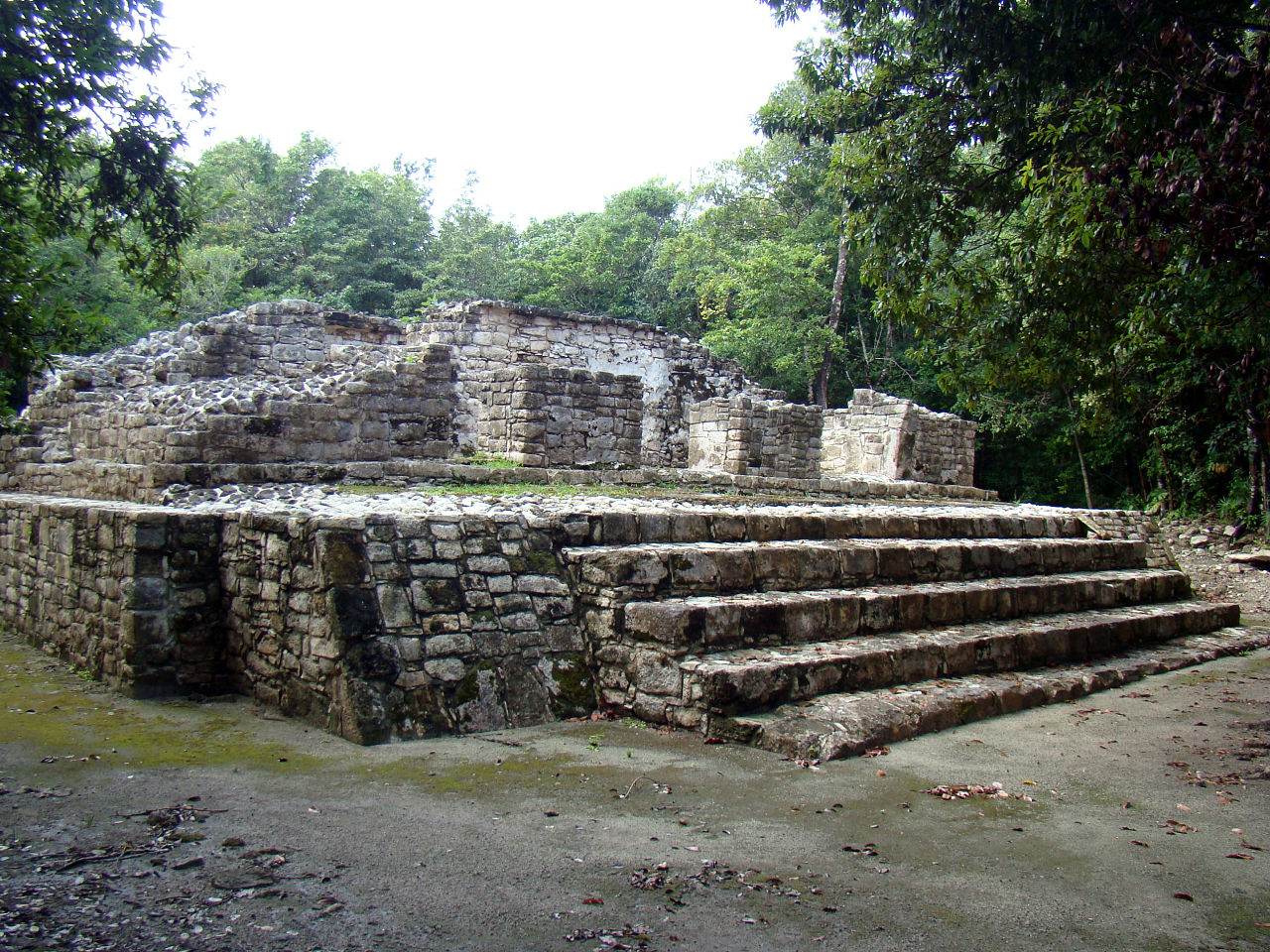
The name is Maya and it describes the place: xel, a spring or source, and ha, water. The settlement sat on the east coast of the peninsula within the same network of small coastal sites that Tulum belonged to, close enough that the two are routinely discussed together and far enough apart that almost nobody visits both.
The last of eleven
Margarito Molina Rendón, director of the INAH Quintana Roo Centre, put the reopening in its proper frame: Xel-Há is the last archaeological zone to reopen of the eleven in the state that were taken into the Programa de Mejoramiento de Zonas Arqueológicas, Promeza. Its reopening therefore closes the programme in Quintana Roo.
Promeza ran alongside the Maya Train, and that is the part most readers will not have connected. The railway was the visible project. Behind it, a systematic rehabilitation of eleven archaeological sites was funded and carried out — visitor service infrastructure, conservation of the monuments themselves, and the rebuilding of paths and signage. Two new museums came out of the same works: the Museo Regional de la Costa Oriental in Tulum, and the Museo Histórico de la Ciudad in Felipe Carrillo Puerto.
Worth noting what Promeza was not. It was not an excavation programme and it did not set out to find anything. It was infrastructure and conservation — the unglamorous half of archaeology, where money goes into drainage, stabilising walls, roofing a structure that is losing its stucco, and building a path that keeps ten thousand pairs of feet off a nine-hundred-year-old floor. The palapa shelters that sit over several of the buildings at Xel-Há are exactly this kind of work: unremarkable to look at, and the reason the building underneath still exists.
The railway and the ruins were always the same budget line, which is not how either was reported. We wrote earlier this summer about the Maya Train entering its freight era, and that piece and this one describe two ends of one project: a railway built to move people and cargo through the peninsula, and a conservation programme attached to it that spent several years repairing what the railway was built to bring people to.
What was actually done
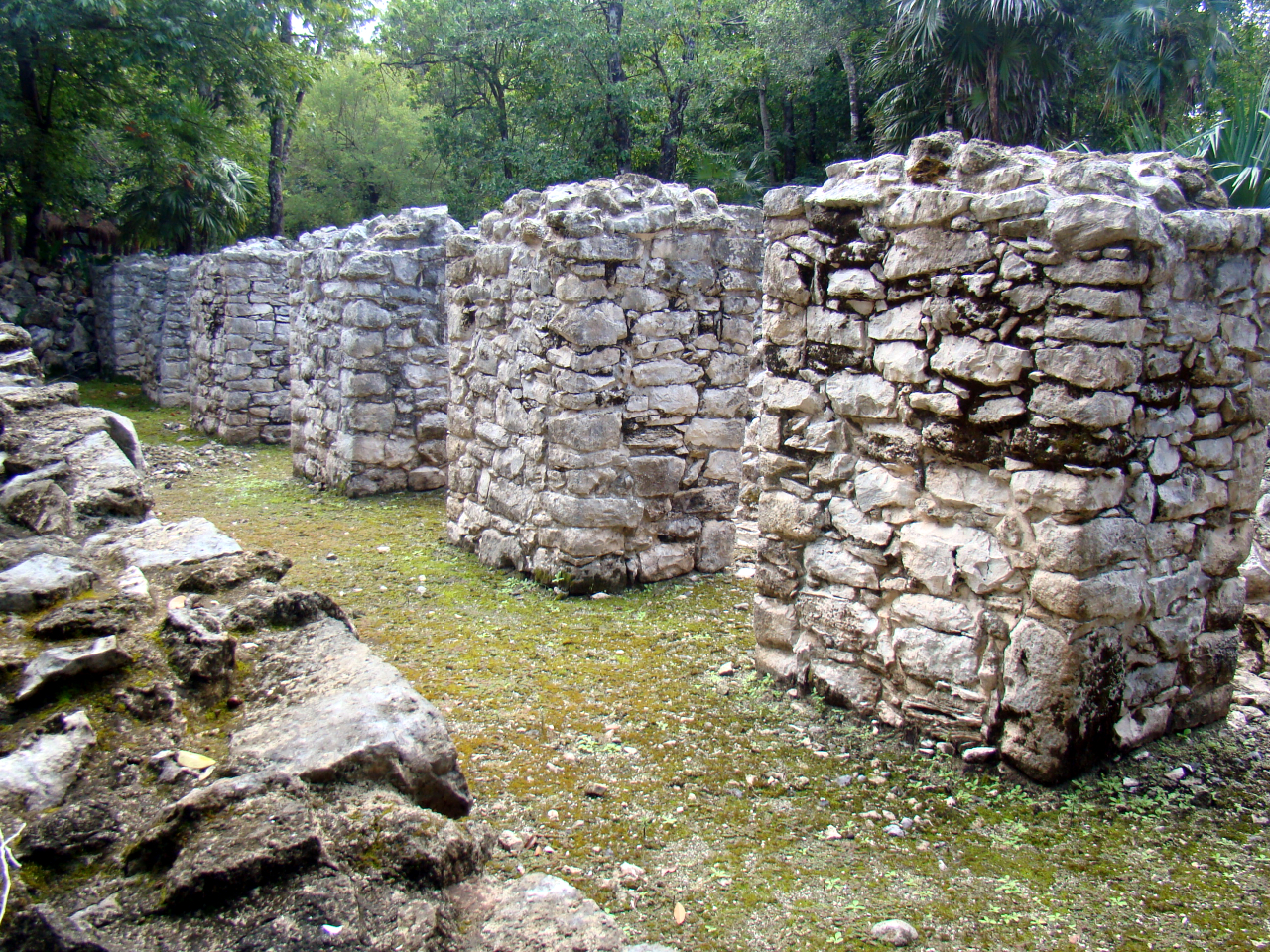
The work at Xel-Há covered three things. Conservation of the archaeological monuments, which is the slow part and the main reason for the closure. Improvement of the infrastructure that serves visitors. And the optimisation of the site's paths and signage, which for a small jungle site is not cosmetic — it determines whether a visitor can find anything at all without a guide.
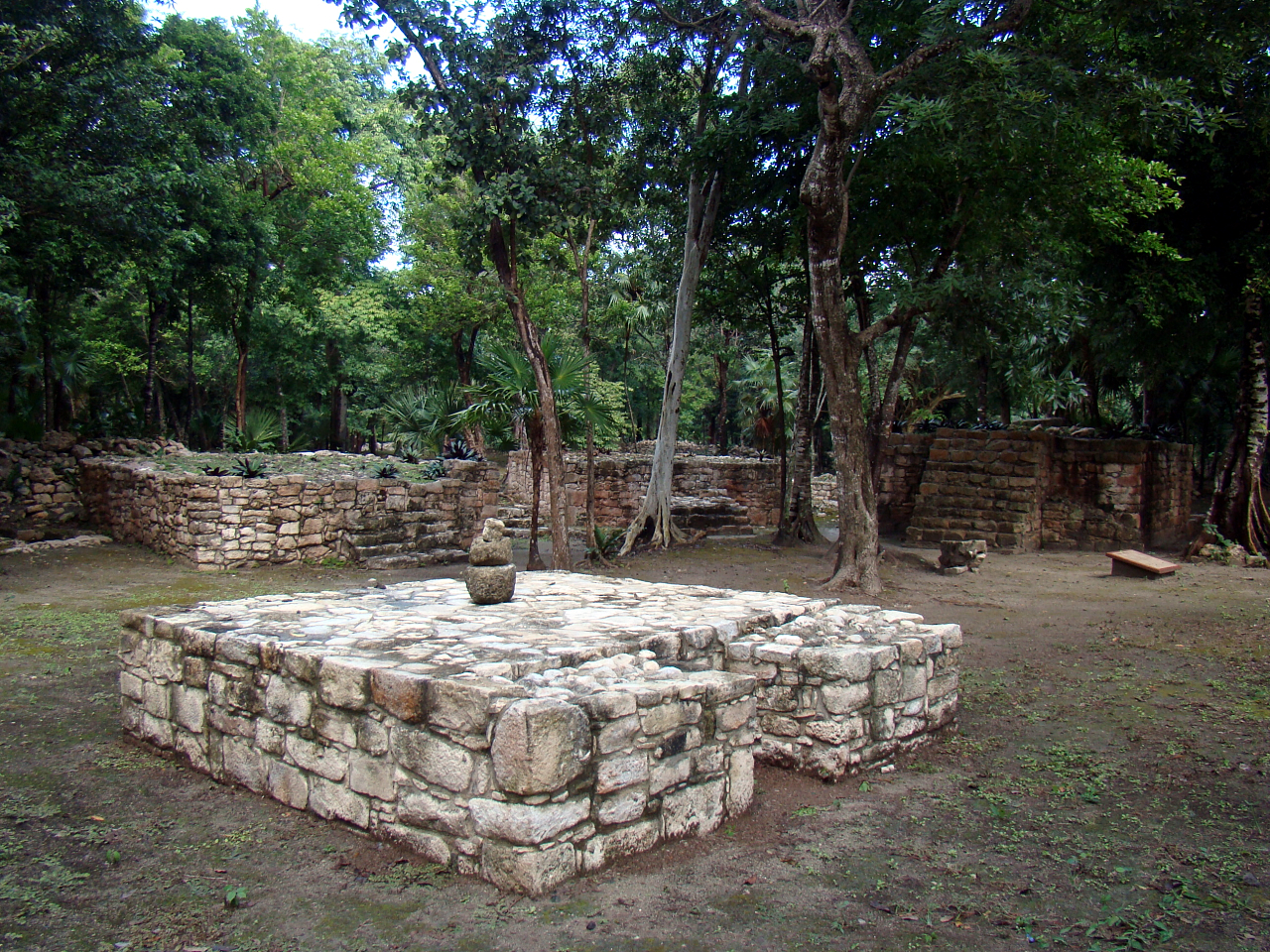
The site has reopened with preferential admission rates and new cultural routes through the zone. INAH has not published visitor projections, and it would be unwise to expect many: Xel-Há is a modest site with a handful of standing structures, and it sits in the shadow of one of the most visited archaeological zones in Mexico, twenty minutes down the road.
There is a practical point for anyone who lives here or is visiting in the low season. The main Tulum archaeological zone has carried three separate charges, the INAH fee, the CONANP national park bracelet and Parque del Jaguar access, now sold together at the park entrances, as we set out when ticket sales moved to the Jaguar Park. Xel-Há has one gate, preferential rates, and, on most days, almost nobody in it. Those are not competing propositions; they are different days out.
Scale is the thing to hold onto here. The main Tulum archaeological zone is one of the busiest in the country — it became Mexico’s third most-visited site and has stayed at that level since. Xel-Há will not approach those numbers and is not meant to. Eleven rehabilitated sites across the state is a distribution strategy, whether or not anyone described it that way: somewhere for a visitor to go on the day the famous one has a queue at the gate.
What this does and does not mean
It does not mean a new attraction. Xel-Há was open before, it is open again, and the eleven Promeza sites are the same eleven sites that existed in 2019. Nothing has been discovered and nothing has been added to the map. A programme finishing is not the same as a programme succeeding, and no assessment of Promeza's results in Quintana Roo has been published.
What it does mean is that the archaeological infrastructure of this coast has just had several years of money and attention put into it, quietly, while the public conversation was about a railway and an airport. For a visitor with a day to spend and no wish to queue, the state now has eleven rehabilitated sites rather than one famous one — and the least crowded of them has just come back.
For the wider picture of what the federal government is changing on this coast, see our read on what Plan Tulum Renace actually changes. Or browse property for sale in Tulum and the Riviera Maya.
Sources: Instituto Nacional de Antropología e Historia, bulletin on the reopening of the Xel-Há archaeological zone, 6 July 2026, including remarks by Margarito Molina Rendón, director of the Centro INAH Quintana Roo.
Corrected 5 October 2026: an earlier version of this article said the site had been closed for two years and five months. We could not support that figure; Riviera Maya News describes a year-long restoration.
Corrected 5 October 2026: an earlier version of this article said INAH took direct control of ticketing at the Tulum ruins. From July 27, 2026, ticket sales moved from INAH's booth at the site to the Jaguar Park entrances, run by the state company Grupo Mundo Maya.
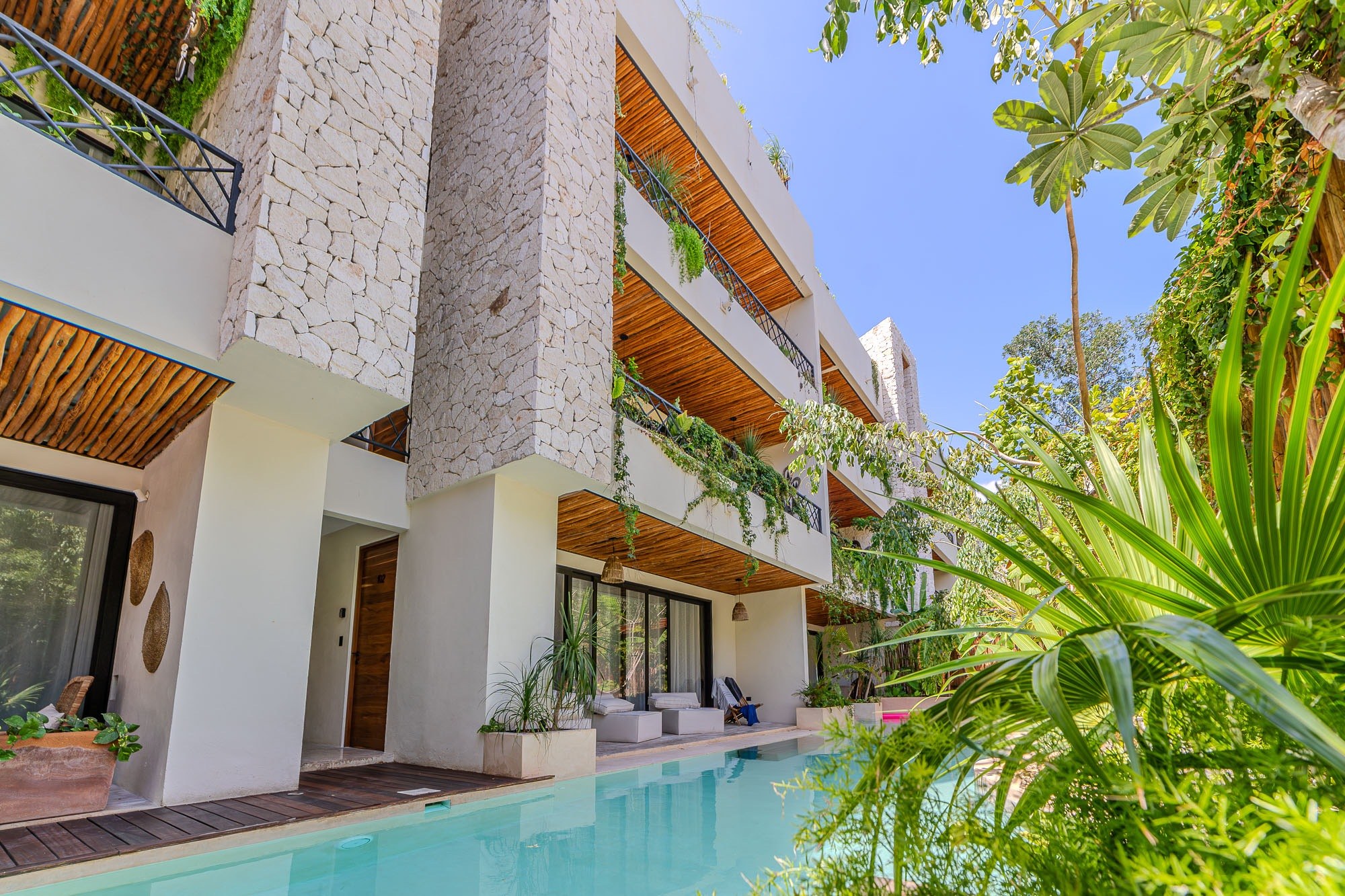
Itza II | 2 Bedroom Furnished Apartment with Private Jacuzzi in Aldea Zama, Tulum
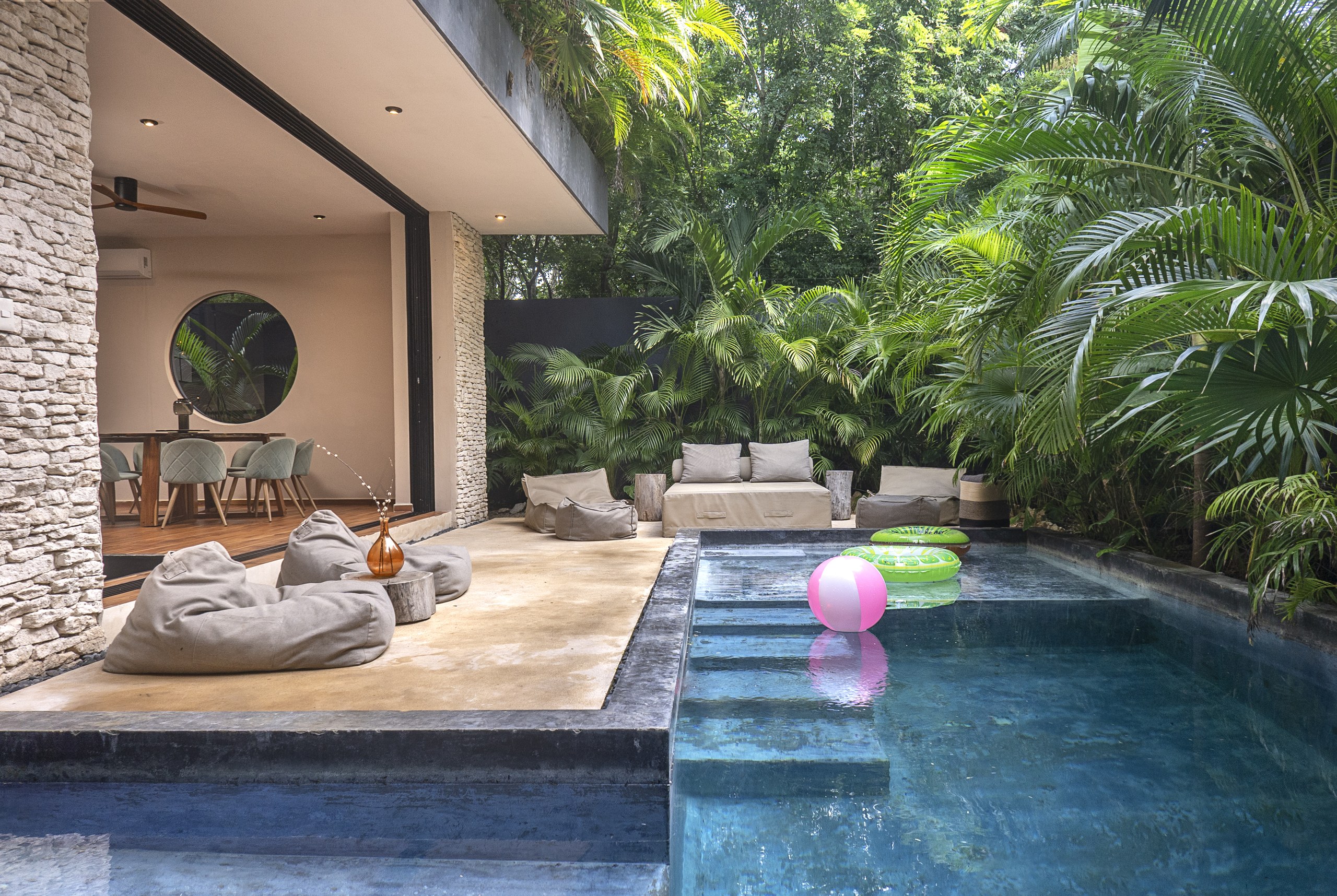
Maison Siscolino | 4 Bedroom Villa with Swim Up Pool and Rooftop Plunge Pool in Region 15, Tulum
Maison Siscolino, Region 15 Tulum. Furnished four bedroom villa, 245 m² on a 301 m² lot with swim up pool and rooftop plunge pool.
Follow our Tulum market reporting in Google.
Add to preferred sourcesWe are the ultimate guide to invest in Tulum
The complete guide to buying property in Tulum. Find homes for sale, condos or land and consult with an experienced real estate advisor.
News: Real Estate, Lifestyle and Growth Across the Riviera Maya
The latest from Tulum, the Riviera Maya and the Mexican Caribbean, from market trends and investment opportunities to lifestyle and the infrastructure shaping the coast.