Plan Tulum Renace: What Actually Changes for the Destination
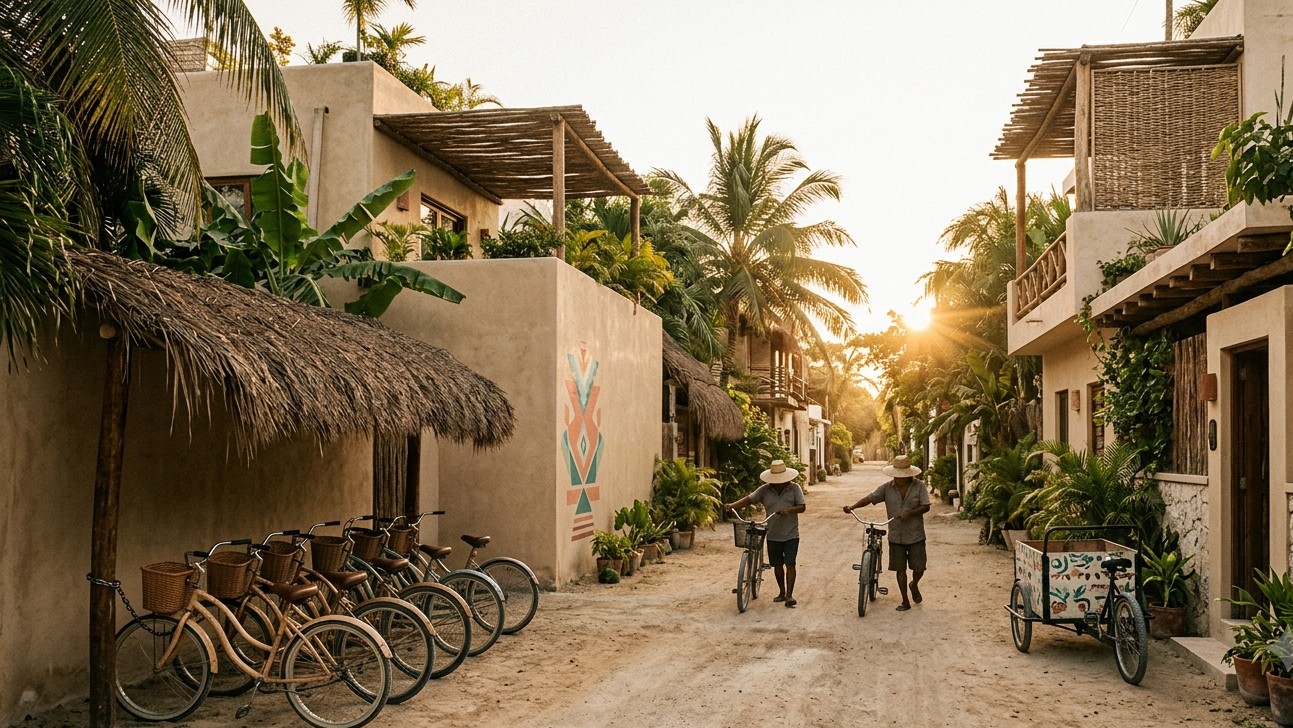


On July 17, from a morning press conference held in Tulum itself, Mexico's federal government put a formal plan behind something the destination has needed for years. It is called Plan Tulum Renace, it was published in the official gazette, and it is a ten-point program aimed at making Tulum easier to visit, cheaper to enter, and better organized. For once, the announcement came with specifics rather than sentiment, and several of them change the visitor experience directly.
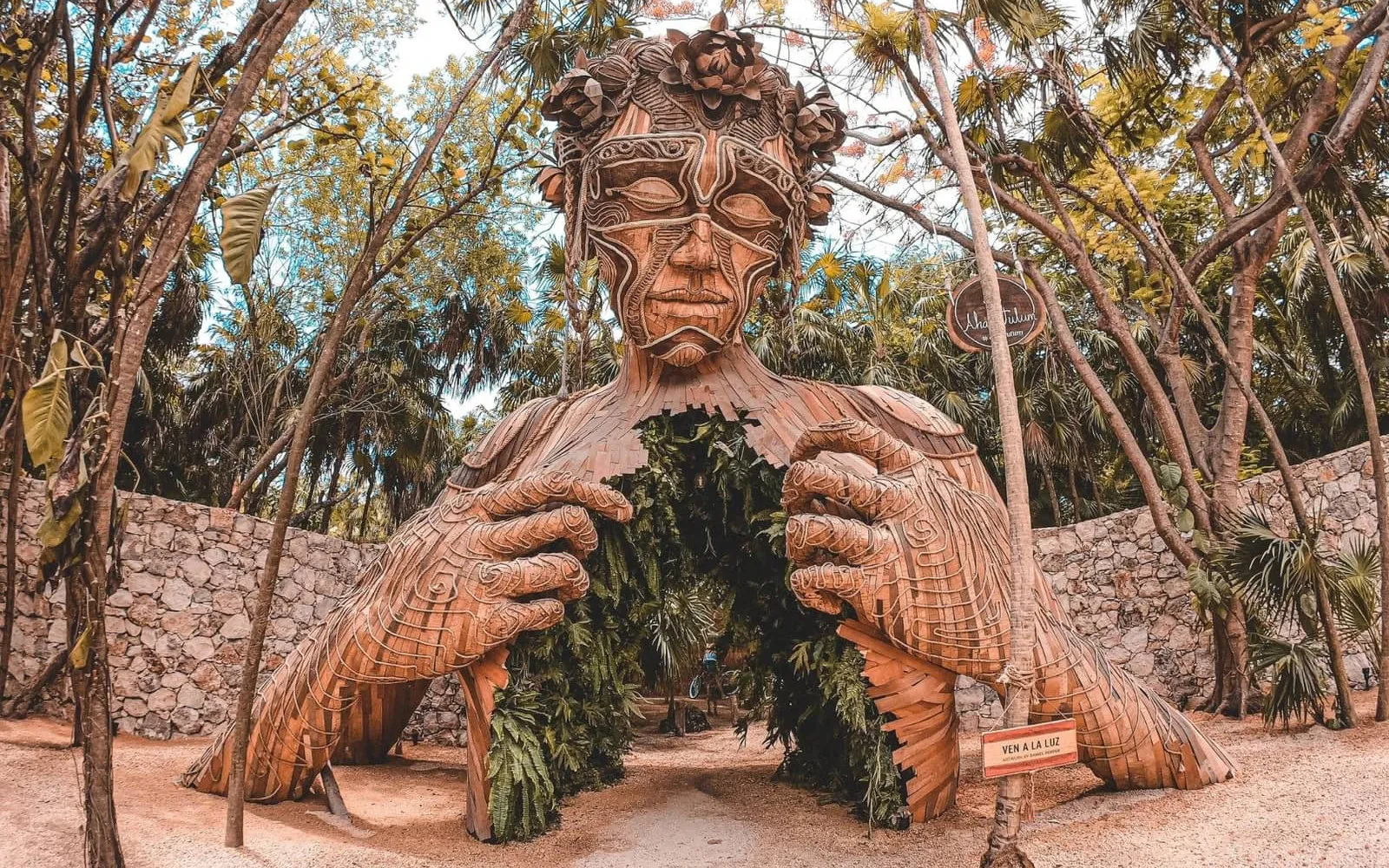
Start with the two that matter most to anyone planning a trip. Access to the Jaguar Park, the national park that holds Tulum's archaeological zone and a stretch of its coast, becomes free for national visitors. Walking in and reaching the public beaches inside costs nothing; the only optional charge is 20 pesos for the internal electric transport, for those who would rather ride than walk. Alongside that, the entrance fee to the archaeological zone and the protected natural area drops by roughly half, to 80 pesos for Mexican visitors, free on Sundays, and 265 pesos for foreign visitors. Those figures walk the cost of visiting Tulum's most famous sight back toward where it sat in 2018 and 2019, before a stretch of steeper pricing set in.
The plan also guarantees ten public, free access points to Tulum's beaches, which secures open public access to a shoreline that had grown increasingly lined with private businesses. Add a new electric mobility system inside the park, a new public transport scheme for the town, a parking area at the south access, a tourist-protection model run with the National Guard, and a certification program for service providers, and the shape of the plan comes into view. It is a coordinated effort to make being in Tulum smoother, cheaper, and easier to navigate.
Two further points reach beyond the visitor and toward the market. The plan commits to a permanent promotion campaign for the destination, and, notably for anyone tracking the airport, a dedicated program to attract new air routes and improve the connection between the terminal and the town. That last item runs in parallel with the international routes already returning for the winter, and signals that connectivity is being treated as policy rather than left to the airlines alone.
The strategy underneath the announcements
A list of measures is the visible part. The more interesting part is how the plan was built, because it marks a real shift in approach. Plan Tulum Renace came out of coordination tables that brought together the federal government, the state of Quintana Roo, the municipality, and the private tourism sector. It is not a rescue funded from the municipal budget. It is a division of labor: the government takes on the things only it can fix, mobility, beach access, the national sargassum strategy, security, while the hotel sector commits to what it controls, investment, jobs, and promotion.
That framing was on display when the president met with Tulum's hoteliers this month. The sector did not arrive to ask for a bailout. It arrived to propose, offering to keep investing and keep training its people in exchange for the government putting the destination's basics in order. In a country where the relationship between government and industry usually runs to friction, that alignment is genuinely new, and it is the quiet foundation the ten points rest on.
Who the plan is really for
To understand why this matters, it helps to see which part of Tulum stands to gain the most, because it is not the part outsiders usually picture. The large resorts have held up comfortably, carried by their booking systems, brand recognition, and marketing budgets. The businesses with the most to gain from this plan are the small, independent, European-plan boutique hotels, the design-led places that are, in a real sense, the Tulum brand itself. They are also precisely the operators that generate local employment and spending. A plan that lowers the barriers to visiting, and puts the beaches and the park back within easy reach, is aimed squarely at the kind of independent, experience-led tourism those businesses depend on.
The honest context belongs in the same breath. The plan arrives after a softer stretch for the destination: visits to the archaeological zone in the first half of 2026 came in near 444,000, down roughly 29 percent from the same period a year earlier. The Riviera Maya Hotel Association, which publicly welcomed the plan, was candid about that dip even as it expressed confidence the measures would help turn it around. This is a program built to get ahead of a challenge, and it is a serious, well-aimed one.
What makes it worth marking is that it is concrete and coordinated in a way the destination has not seen before. Free entry to the park, cheaper access to the ruins, guaranteed public beaches, better transport, and a real push on air connectivity are not abstractions. They are specific changes with dates attached, each one making Tulum a little easier to enjoy. Whether they add up to a full recovery is a question the coming season will answer, but the direction is unmistakable, and for the first time in a while, the people who run the destination are pointing the same way.
Sources: Presidencia de la República, announcement of Plan Tulum Renace and publication in the Diario Oficial de la Federación, Tulum, 17 July 2026. The decree establishing free access to the Jaguar Park was confirmed as published in the DOF by the Government of Quintana Roo on 20 July 2026.

Casa Emilia 203 | 2 Bedroom Apartment with Private Rooftop Pool in La Veleta, Tulum
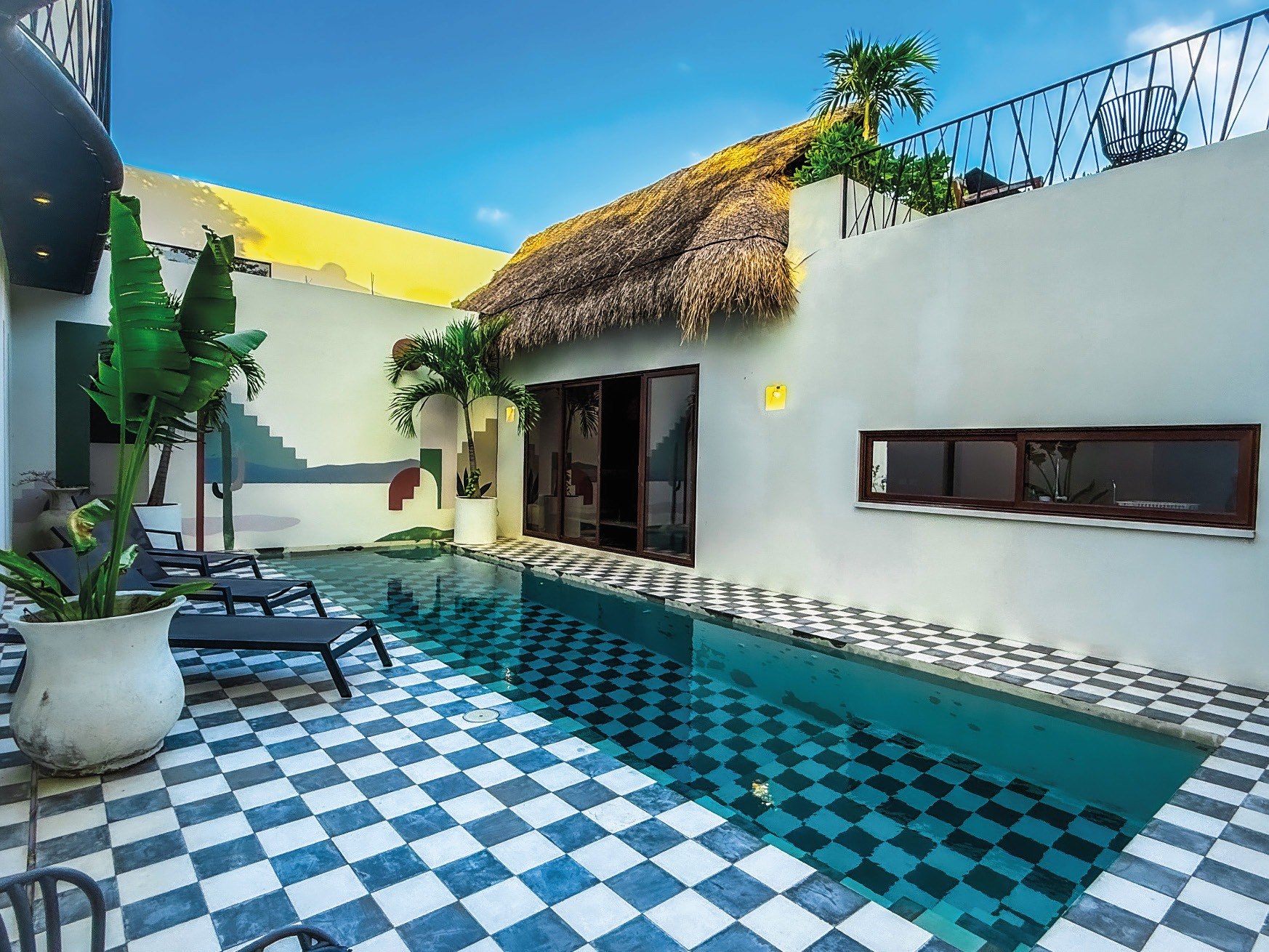
Casa Zorro | 4 Bedroom Villa with Palapa Roof in Region 15, Tulum
4 bed, 4.5 bath resale of 3,498 sq ft. $399,900 USD.
We are the ultimate guide to invest in Tulum
Ultimate Guide to a profitable investment property in Tulum. Find homes for sale, condos or land and consult with an experienced real estate advisor.
News: Real Estate, Lifestyle and Growth Across the Riviera Maya
The latest from Tulum, the Riviera Maya and the Mexican Caribbean, from market trends and investment opportunities to lifestyle and the infrastructure shaping the coast.