A jaguar has turned up on Conanp's cameras inside Parque Nacional Tulum


A camera trap inside Parque Nacional Tulum has recorded a jaguar, and the Comisión Nacional de Áreas Naturales Protegidas published the images on October 13. It is at least the second record of a jaguar in or beside the park this year, and the clearest statement yet that the forest immediately behind one of Mexico's most visited archaeological sites is still carrying its largest predator.
Conanp's own framing was short. The records, the agency said, demonstrate the value of the protected area. That is a modest claim and it is the right one, because a single animal on a single camera proves presence, not population.
What the park is, and why a jaguar there is notable
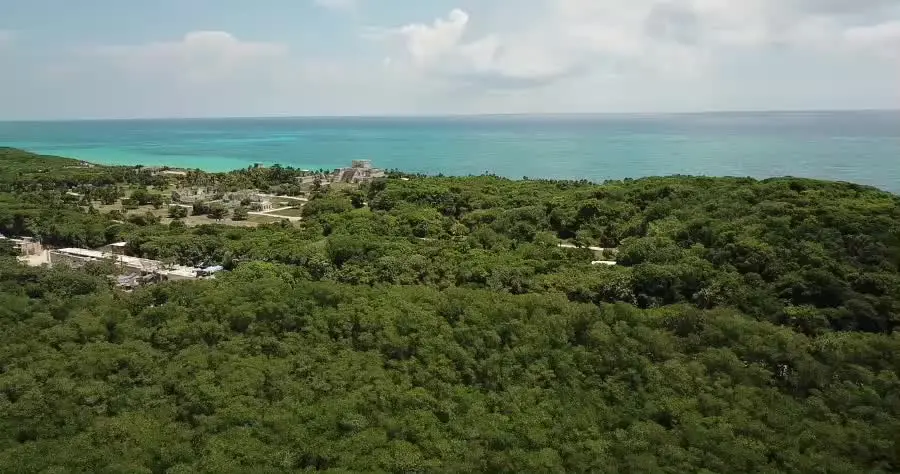
Parque Nacional Tulum is not the beach club strip and it is not Parque del Jaguar, the municipal park at the archaeological zone that shares part of the name. It is a protected natural area administered by Conanp, and the ground where these images were taken is described as a place where forest ecosystem, tourist infrastructure and archaeological sites converge. That convergence is precisely what makes the record interesting. This is not remote jungle. It is forest with roads, visitors and buildings around and through it.
The jaguar, Panthera onca, is listed as endangered in Mexico. It needs large territories and connected corridors to move through them, which is the part that does not survive contact with development well. The threats named alongside the Conanp images are the ordinary ones for this coast: expanding infrastructure, habitat fragmentation and animals killed on roads.
The images came from a camera trap installed to monitor wildlife, and the monitoring itself involves the Grupo de Vigilancia y Monitoreo Comunitario, a community surveillance and monitoring group that takes part in observing fauna in the park. That detail is worth more than it looks. Community monitoring means local people are walking these transects and servicing these cameras, which is a cheaper and more durable arrangement than an agency doing it alone from Chetumal.
This is not the first record
In January 2026 a jaguar was recorded about 200 meters from the Tulum archaeological zone. Whether that animal and this one are the same is not known, and neither Conanp nor the reporting claims to know.
So the honest reading is that there have been at least two jaguar records in this area in a single year, with no way of telling from the published material how many individual animals that represents. One jaguar using a large territory would produce exactly this pattern. So would several.
Puma and ocelot also live in the wider eastern Yucatán Peninsula, though neither source places them inside the park specifically.
What it does not prove
It does not prove a recovering population. A camera trap records what walks past a camera, and a handful of images across a year is a presence record, not a census. Nobody has published a count, a density estimate or a trend for jaguars in this park, and anyone claiming one from these images is reading more into them than Conanp did.
It also does not mean the corridors are working. The threats listed with the announcement are current threats, not historical ones. An animal photographed inside a protected area beside a developing coast is evidence that the protected area still holds habitat, and simultaneously a reminder of how narrow the surviving habitat is.
There is no published capture date for these particular images, no published number of cameras, and nothing in the announcement about whether any of this is visible to visitors. It is a monitoring programme, not an attraction.
Why it matters here
For anyone who lives in Tulum or spends part of the year here, the practical content is small and the significance is not. The federal protected area behind the ruins is doing the job it exists to do. That is the argument for the conservation boundaries around this town holding, and it is a better argument than any brochure, because it comes from a camera rather than a claim.
It also sets a useful reference point. The same forest shows up repeatedly in planning arguments on this coast, usually in the abstract. A jaguar on a camera trap is not abstract.
Sources: Conanp (@CONANP_mx) post on X, October 13, 2026, publishing the camera-trap images; Enrique Sánchez García, Quinta Fuerza, October 15, 2026.
Itza II | 2 Bedroom Furnished Apartment with Private Jacuzzi in Aldea Zama, Tulum

Maison Siscolino | 4 Bedroom Villa with Swim Up Pool and Rooftop Plunge Pool in Region 15, Tulum
Maison Siscolino, Region 15 Tulum. Furnished four bedroom villa, 245 m² on a 301 m² lot with swim up pool and rooftop plunge pool.
Follow our Tulum market reporting in Google.
Add to preferred sourcesWe are the ultimate guide to invest in Tulum
The complete guide to buying property in Tulum. Find homes for sale, condos or land and consult with an experienced real estate advisor.
News: Real Estate, Lifestyle and Growth Across the Riviera Maya
The latest from Tulum, the Riviera Maya and the Mexican Caribbean, from market trends and investment opportunities to lifestyle and the infrastructure shaping the coast.