Tulum's museum has taken in 53 pieces, and 47 are for a room that does not exist yet


Fifty-three archaeological pieces have been assigned to the Museo Regional de la Costa Oriental, the museum inside Tulum's Parque del Jaguar, and forty-seven of them are going into a room that does not exist yet. They come from cultures spread across ancient Mexico, among them Olmec, Teotihuacan, Mexica, Zapotec, Mezcala, Huastec and Chupícuaro. That spread is the point of the acquisition.
The Secretaría de Cultura and the Instituto Nacional de Antropología e Historia handed the pieces over through INAH's Dirección de Registro Público de Monumentos y Zonas Arqueológicos e Históricos, drawn from the institute's own repositories. The transfer marks the museum's second anniversary. Six of the fifty-three go straight into the existing Sala Maya: a tripod plate and three polychrome vessels from the Classic period, between 400 and 800 AD, from southeastern Mexico. Museum specialists intervened to recover the visual characteristics of the pieces; the announcement does not say how many were treated. The other forty-seven are held for a future Sala Introductoria Mesoamericana.
What is actually in the group
The list reads like a map of ancient Mexico rather than a map of the Yucatán peninsula. There is an incised Olmec jar dated between 1500 and 500 BC, which places it in the Preclassic and gives it a range beginning nine centuries before anything else the announcement names. There is a Chupícuaro tripod bowl from between 600 and 200 BC. From the Classic period there is a Mezcala anthropomorphic sculpture, 300 to 800 AD, a Huastec effigy vessel, 300 to 600 AD, and a Zapotec anthropoid urn, 400 to 900 AD. From Teotihuacan there is an incised tripod vase and a candelero with a face on it, neither of them dated in the announcement. The most recent object is a Mexica anthropomorphic figurine, 1200 to 1521 AD, which carries the group all the way to the Spanish arrival.
Set against the museum's existing holdings, the scale of the addition is clear. The three permanent rooms currently hold 296 original pieces and 61 reproductions. Fifty-three more originals is a meaningful increase in a collection of that size, and because forty-seven of them are reserved for a new room, the addition is a change of scope rather than a top-up of what is already on display.
Carmen Gaitán Rojo, who directs the Mureco, said the selection would allow a more dynamic route through the museum. Claudia Curiel de Icaza, the federal Culture Secretary, framed the handover around the diversity of Mesoamerica's peoples and traditions. Neither is quoted directly in the announcement, so both readings are paraphrase.
The museum already had one object worth the trip
This is not the first time material has arrived at the Mureco from outside Tulum, and the precedent is worth knowing because it explains why a museum two years old has anything unusual in it at all.
In 2024 the museum received a banqueta-trono, a throne bench, recovered at Nicolás Bravo Pueblo, roughly 70 kilometers from Chetumal, during the archaeological salvage work carried out alongside the Maya Train. It measures 3.10 meters long and 0.60 meters high and carries fifteen elements, among them eight small drums and three anthropomorphic figures. It dates to around 850 to 900 AD, the Late Classic. It was restored in Chetumal under Félix Camacho Zamora, who coordinated the conservation area of that project, and it is displayed in Sala 2.
A piece of that size and that date does not usually end up in a two-year-old municipal museum. It ended up here because the salvage work happened here. The same logic now applies in reverse: material from cultures that belong well outside the peninsula is being moved to a museum on the Caribbean coast, so that a visitor who came for one Maya walled town can see what the rest of Mesoamerica was making at the same moment.
What the announcement does not say
Three things are missing, and they are the three things a visitor would want.
The announcement gives no opening date for the Sala Introductoria Mesoamericana. It is described as future, with no month attached. Forty-seven of the fifty-three pieces, which is to say the great majority of the acquisition, are not on public display yet and there is no published date when they will be.
The announcement also gives no opening hours and no entry cost for the museum. The Mureco sits inside the Parque del Jaguar, and park access and ticketing changed during 2026, so anyone planning a visit should check current hours and admission on the day rather than rely on an older account. We wrote about how ruins ticketing was consolidated at the park entrances in our piece on Tulum untangling its ruins tickets, and that remains the clearest explanation of how entry now works.
What is confirmed is the six pieces going into the Sala Maya. Those are the part of this acquisition a visitor can expect to see on the existing route.
Why it matters beyond the museum
Tulum's cultural offer has been narrow in a specific way. The archaeological zone is world famous and almost everything else competes with the beach. A museum holding only Maya material from the eastern coast is a museum you visit once, after the ruins, if there is time.
A collection that runs from Olmec jars of 1500 BC to Mexica figurines of the sixteenth century is a different proposition, particularly for a resident or a repeat visitor who has already done the walled town. It gives the park a reason to be visited for its own sake rather than as the entrance to something else, and it gives families and long-stay visitors somewhere indoors on a wet afternoon in a town that has very little of that.
For anyone who owns here or spends part of the year here, that is the practical read. The acquisition does not change anything this month. It does change what the park is for over the next few years, and the new room is the thing to watch for.
Sources: Noticaribe, "De los olmecas a los mexicas: amplían el acervo arqueológico del museo de Tulum", October 14, 2026, crediting InZoomMX, reporting the handover by the Secretaría de Cultura and INAH.
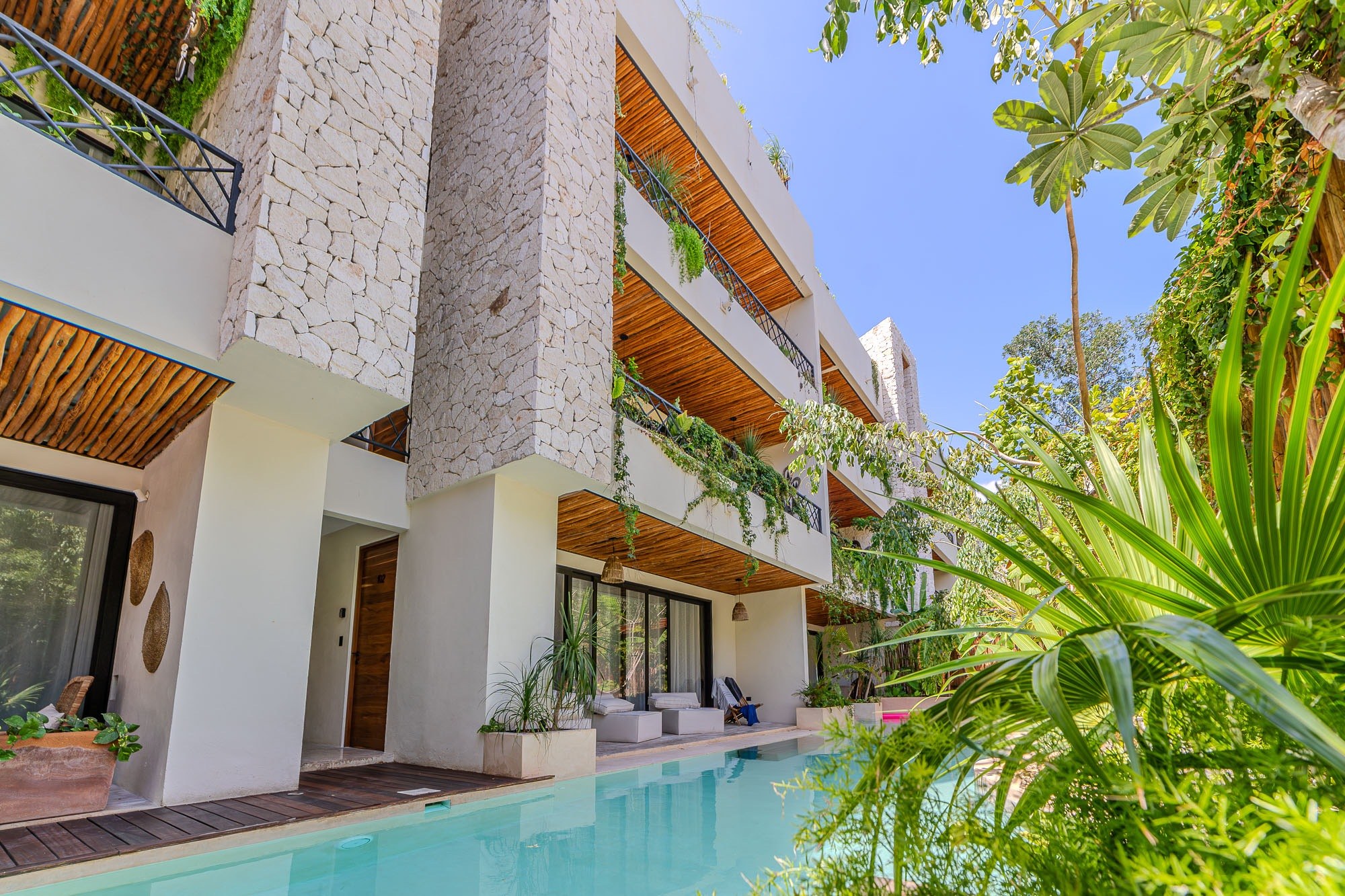
Itza II | 2 Bedroom Furnished Apartment with Private Jacuzzi in Aldea Zama, Tulum
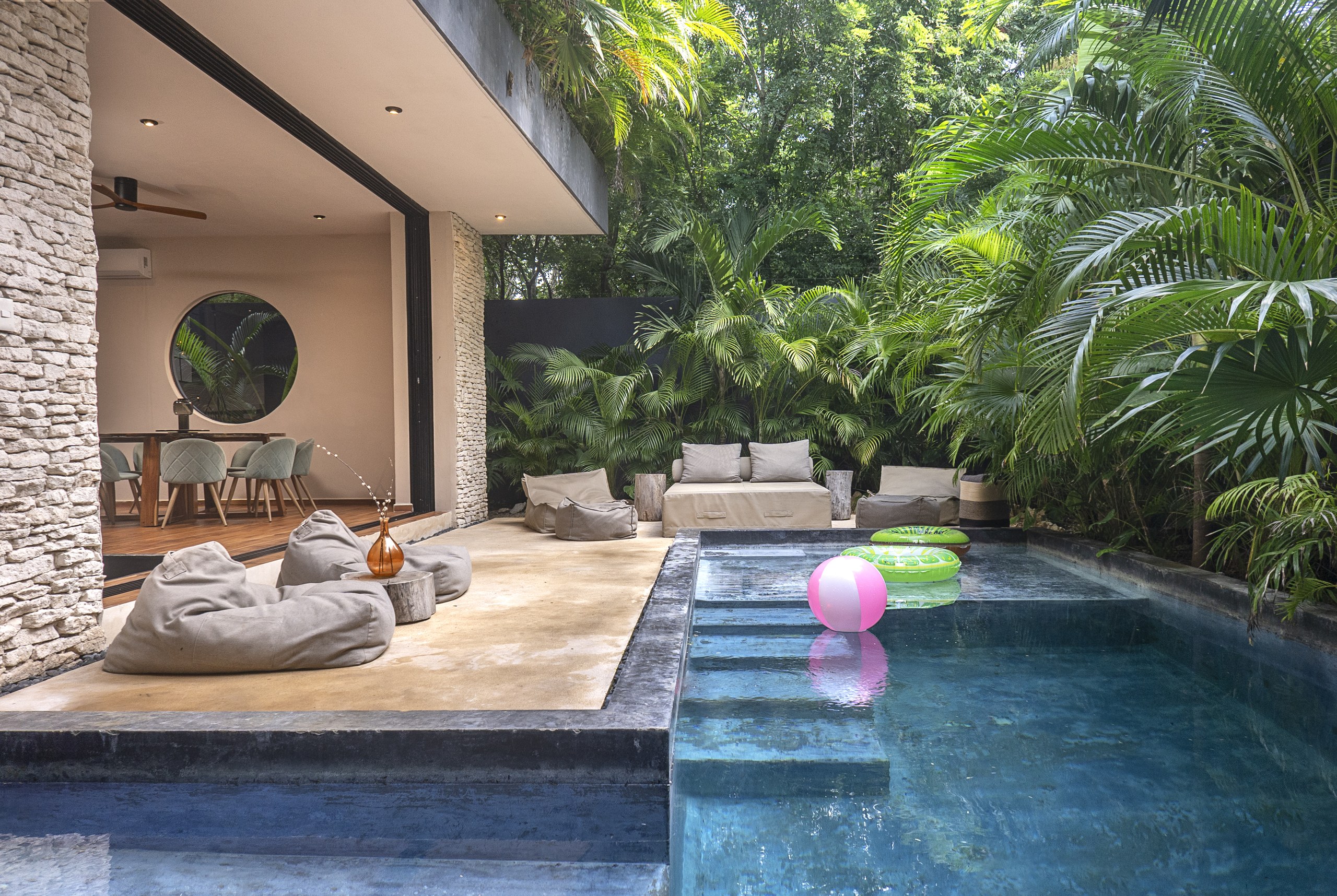
Maison Siscolino | 4 Bedroom Villa with Swim Up Pool and Rooftop Plunge Pool in Region 15, Tulum
Maison Siscolino, Region 15 Tulum. Furnished four bedroom villa, 245 m² on a 301 m² lot with swim up pool and rooftop plunge pool.
Follow our Tulum market reporting in Google.
Add to preferred sourcesWe are the ultimate guide to invest in Tulum
The complete guide to buying property in Tulum. Find homes for sale, condos or land and consult with an experienced real estate advisor.
News: Real Estate, Lifestyle and Growth Across the Riviera Maya
The latest from Tulum, the Riviera Maya and the Mexican Caribbean, from market trends and investment opportunities to lifestyle and the infrastructure shaping the coast.