Mexico's deputies have approved a 2027 non-resident fee of 1,158 pesos


Mexico's Derecho de No Residente, the non-resident fee, rises from 983 pesos to 1,158 pesos in 2027 under the Ley de Ingresos approved by the Cámara de Diputados. The increase is 175 pesos, which the reporting puts at about 10 dollars. At roughly 17 pesos to the dollar the new fee is in the region of 68 dollars, though the peso figure is the one that governs and the rate moves.
The number that did not happen is the more interesting one. The original proposal was a 36 percent increase. What the deputies approved was 17.8 percent, under half of it.
What was proposed and what passed
The measure travelled through the Ley de Ingresos, the federal revenue law, rather than as a standalone tourism measure. The first proposal would have raised the fee by 36 percent. The dictamen approved by the Cámara de Diputados cut that to 17.8 percent, which is how 983 pesos becomes 1,158 rather than something closer to 1,337.
That reduction is the part worth noticing. The reporting sets out the cut and the tourism sector's objection separately and does not connect them, so what produced it is not on the record.
The reporting covers the lower house. It does not say what has happened in the Senate, and it does not report publication. So the correct description today is approved by the deputies within the revenue law, not finally enacted. Anyone budgeting a 2027 trip or a 2027 operation should watch for the final publication rather than treat 1,158 as fixed.
Where the money is supposed to go
President Claudia Sheinbaum said the aim is to strengthen the Instituto Nacional de Migración directly. "Se hizo un estudio muy grande y el objetivo es fortalecer al Instituto (Nacional) de Migración directamente, a través de estos equipos," she said. The phrase "estos equipos" can mean either equipment or teams, and the reporting does not say which, or that anything is being bought.
She also rejected the idea that the rise would reduce arrivals, saying she did not expect anything that would mean a fall in tourism "cuando vamos tan bien". She added: "No considero que esto sea un problema."
The objection
The hotel sector's complaint is not about the 175 pesos. It is about where the 175 pesos goes.
The argument runs that the increase makes Mexican destinations more expensive while the revenue does not return to tourism promotion, and the reporting notes that the federal government has not funded tourism promotion for eight years. That is a structural complaint about those eight years, not a reaction to this year's number, and it is the reason a modest fee rise produces a disproportionate response from hoteliers.
On promotion, the reporting notes that Josefina Rodríguez Zamora, head of the Secretaría de Turismo, is responsible for Tulum, and Sebastián Ramírez, head of Fonatur, for Cancún and the Riviera Maya.
What is not known
Who actually pays this fee, and who is exempt, is not set out in the reporting, and this article will not guess at it. That is a genuine gap rather than a detail, because the practical question for a visitor is whether this is a line item they will see or a cost already inside a fare they have paid. Check the current rules with the Instituto Nacional de Migración before telling a guest what they owe.
Nor is there any published estimate of what the increase raises, or of what "estos equipos" refers to.
What it does and does not change
For a visitor, 175 pesos is about 10 dollars on a trip that costs a great deal more than that, and it is reasonable to think it changes nobody's decision. Sheinbaum's position, that this is not a problem for arrivals, is probably right at the level of the individual traveler.
The sector's position is also right, on a different question. A fee charged on tourists that does not come back to tourism is a transfer, and after eight years without federal promotion funding, the people selling Mexico abroad are doing it without a national campaign behind them. Both things can be true, and the honest version of this story holds them together rather than picking one.
For Tulum specifically, nothing changes this season. The fee applies from 2027, the amount is small against the cost of getting here, and it is set federally rather than locally. It is on the list of things to know, not the list of things to act on.
Sources: Noticaribe, Cancún and Todo Turismo sections, "Alega Sheinbaum que alza al DNR no afecta al turismo", October 15, 2026, reporting President Claudia Sheinbaum's remarks and the dictamen approved by the Cámara de Diputados.
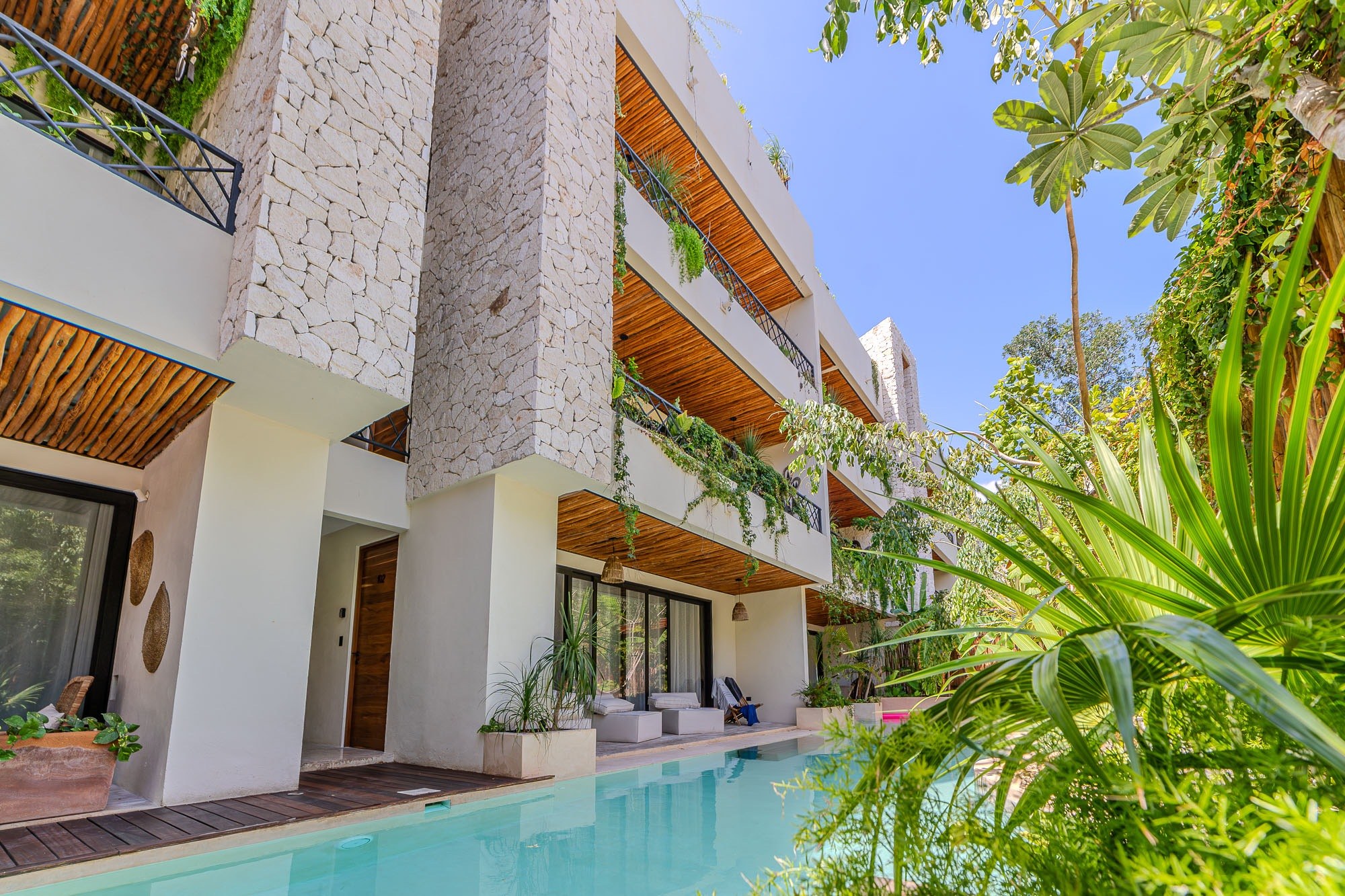
Itza II | 2 Bedroom Furnished Apartment with Private Jacuzzi in Aldea Zama, Tulum

Maison Siscolino | 4 Bedroom Villa with Swim Up Pool and Rooftop Plunge Pool in Region 15, Tulum
Maison Siscolino, Region 15 Tulum. Furnished four bedroom villa, 245 m² on a 301 m² lot with swim up pool and rooftop plunge pool.
Follow our Tulum market reporting in Google.
Add to preferred sourcesWe are the ultimate guide to invest in Tulum
The complete guide to buying property in Tulum. Find homes for sale, condos or land and consult with an experienced real estate advisor.
News: Real Estate, Lifestyle and Growth Across the Riviera Maya
The latest from Tulum, the Riviera Maya and the Mexican Caribbean, from market trends and investment opportunities to lifestyle and the infrastructure shaping the coast.