Pre-construction payment plans in Tulum: what they look like and what to check
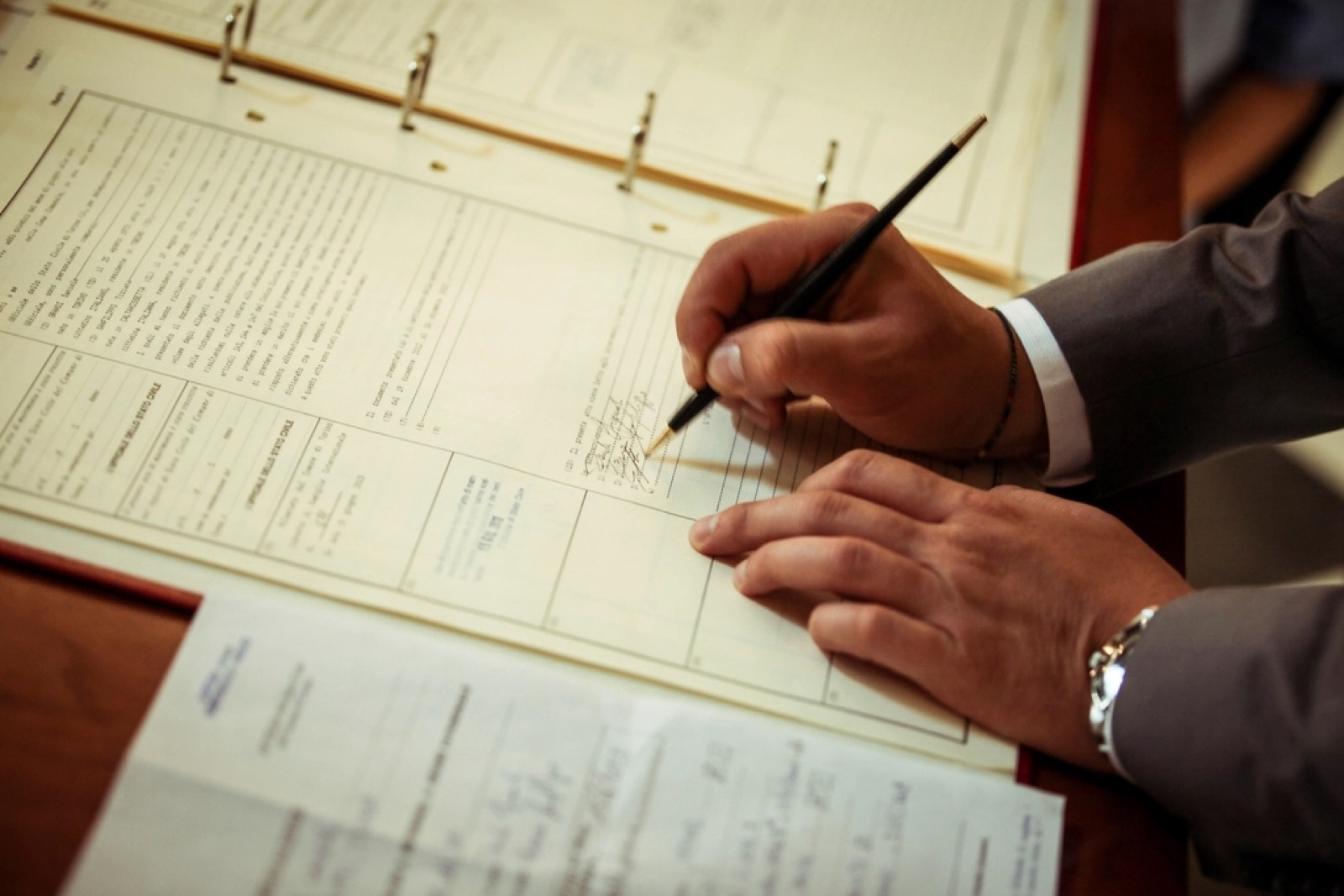


A pre-construction home is one that is not built yet. You pay a deposit at signing, then payments through the build, and the rest at delivery. Published broker guides describe roughly 10 to 30 percent down. Terms differ by developer, so the schedule in your contract is the only one that counts, and the first question is who holds your money.
This page sets out the usual shape, what the pre-construction listings on our own site show, one live listing as a worked example, what to ask the developer, and what the contract should name. The structure figures are published ranges from broker guides, not our own numbers. If you are still deciding whether to buy off plan at all, start with our page on finished or pre-construction in Tulum.
The usual shape
| Stage | What happens | What published guides describe |
|---|---|---|
| Signing | A deposit, then the contract. | Roughly 10 to 30 percent of the price |
| Construction | Payments by milestone or by month. | Commonly 12 to 30 months of build |
| Delivery | The remainder, then the keys. | The final share |
Guides quote examples such as 20/30/50 and 30/40/30, meaning the percentage at signing, during construction and at delivery. These are descriptions from brokers, not a rule and not measured on our books. A published range does not tell you what your developer will ask.
Two things sit before the schedule. First, most developments we list take a reservation deposit of about $5,000 USD to hold a unit while the contract is drafted; treat it as refundable only while that drafting is under way, and only on the development's own written terms. Second, a larger down payment usually buys a lower price, across the developments we list, but each developer sets the discount, so we do not quote one.
What our own listings show
We looked at the pre-construction listings live on our site on October 26, 2026: 346, leaving out sold homes and Mexico City. Of those, 48 spell out a down payment as part of a construction payment plan. In 44 of the 48, the lowest down payment offered is 30 percent, and across all 48 the options run from 30 to 90 percent. In 35 of the 48, the developer offers more than one down payment and sets a lower price against a larger one.
These are terms the developers supplied for individual projects, written into listing text. Several developments have many units listed, so one project's terms count once per unit. The other 298 listings do not set out a percentage in a form we could count, so we cannot say what they ask; 18 of those describe a loan from the developer or a lender instead, which is financing rather than a construction schedule. Treat these figures as a floor, not a census: a plan written another way is not counted. This is derived from our live listings, not a market survey, and we do not state a discount percentage because it differs by developer.
A worked example from a live listing
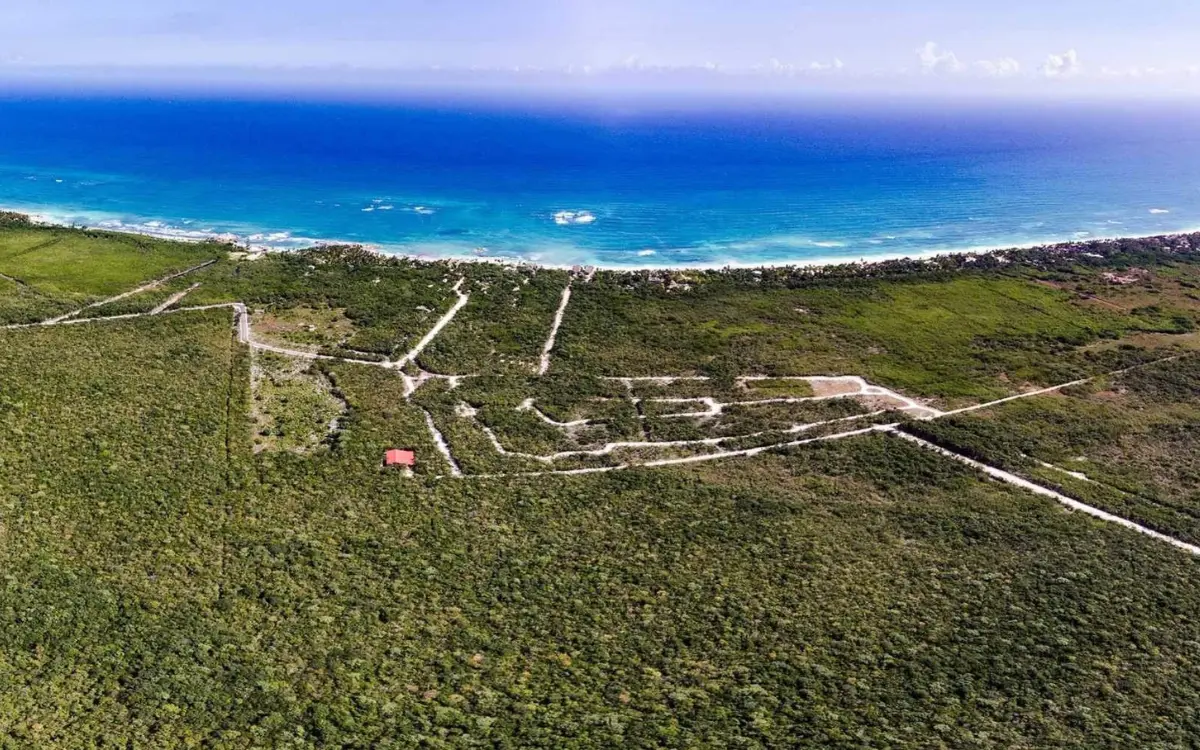
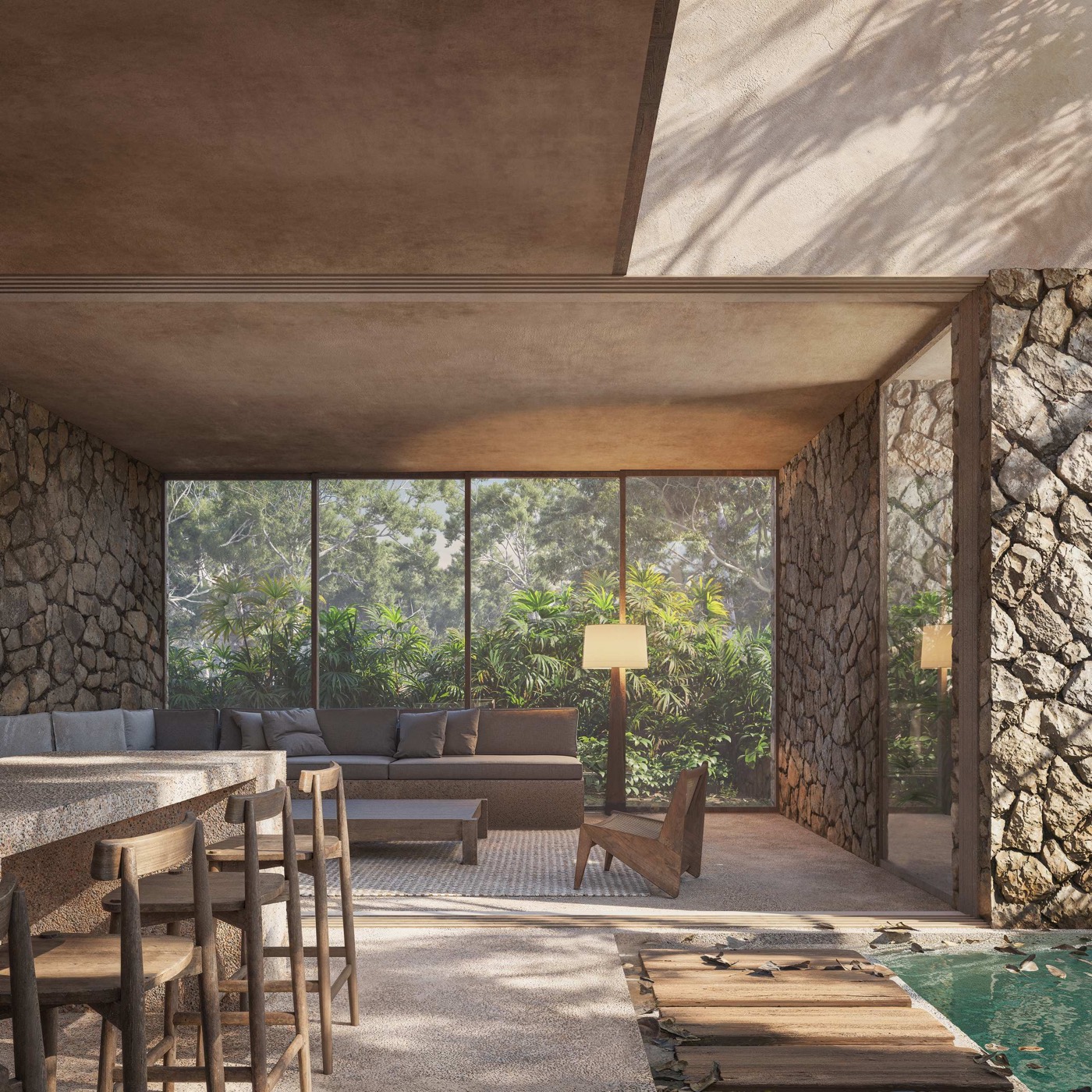
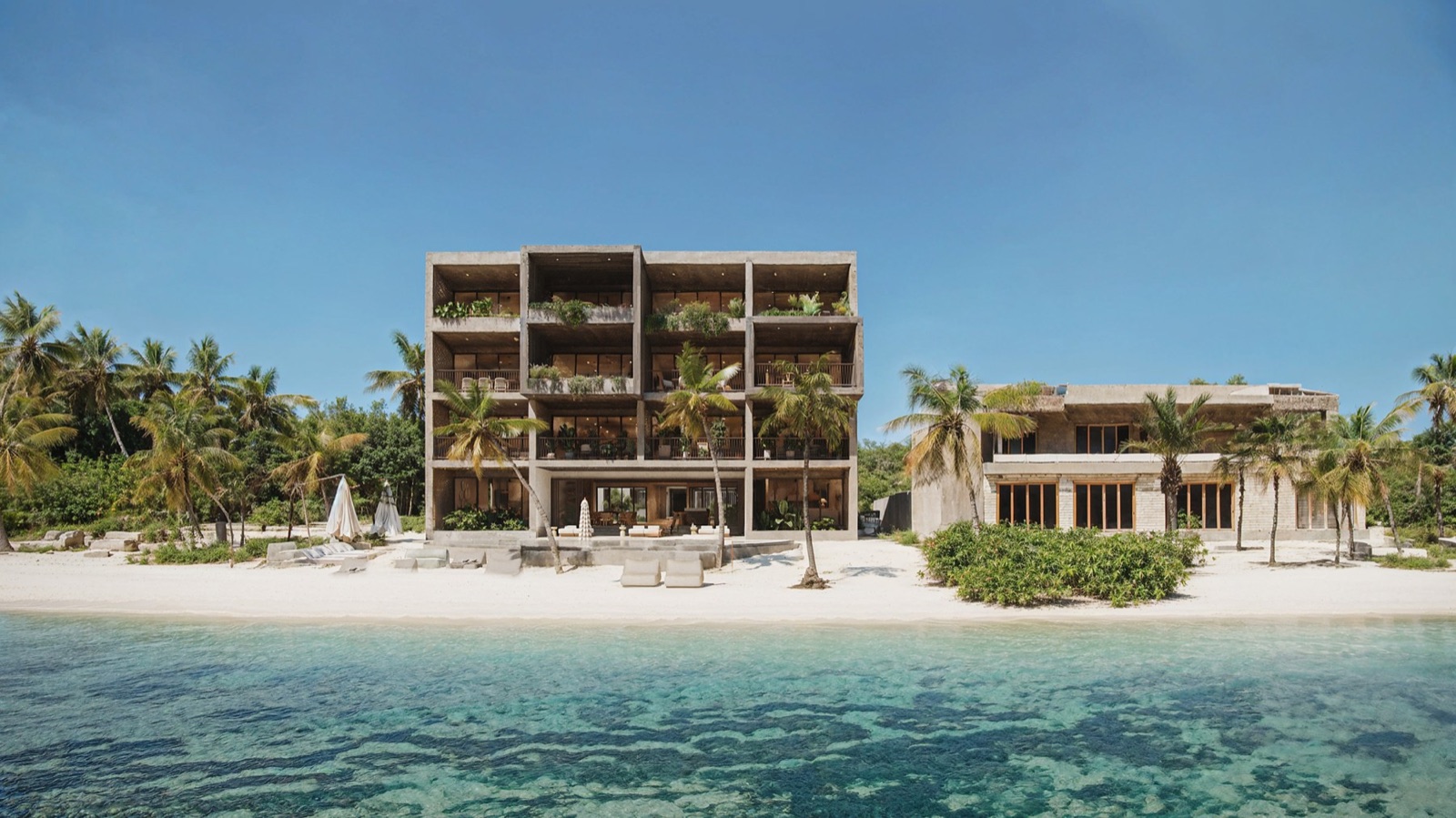
Maranta is a development of seventeen beachfront residences on Bahía Solimán, between Tulum and Akumal, with delivery set for the first half of 2028. As listed on October 27, 2026, the listing prices the residences in Mexican pesos, from $6,250,000 MXN for a one bedroom on the mangrove side to $16,490,000 MXN for a three bedroom on the beach, which it calls roughly $368,000 to $971,000 USD. On the plan, the listing says this: "Payment plans run from 30/40/30 at list down to 90/0/10 against a ten percent discount." It adds that the USD figures are indicative and that the developer processes dollar payments at the rate on the day the transaction takes place.
That one sentence carries four things to settle before signing. The split: 30/40/30 means 30 percent at signing, 40 percent through the build and 30 percent at delivery, the shape 44 of our 48 counted listings also start from. The alternative: 90/0/10 puts nine tenths of the price up front against a ten percent discount, so the discount is the price of carrying more of the construction risk yourself. The currency: the contract price is in pesos, so a dollar buyer's cost moves with the exchange rate on each payment date. And the ten percent is this developer's figure for this project, which is why we do not publish a market-wide discount: it would be wrong for the next one.
What the sentence does not say matters as much. It does not say who holds the 30 percent between signing and delivery, which milestones release the 40 percent, or what happens to the money if the first half of 2028 becomes the second. Those are contract questions, covered in the two sections below. A listing is a description, not a promise.
What to ask before you pay
Ask the developer, and have your notario (a government-appointed notary who acts as the legal authority on the transaction, not a US-style notary) check the answers:
- Who holds my payments? The developer's own account, a bank trust or an independent third party. Brokers advise an independent third party. One source notes that escrow is rarely used in Mexico and that only authorized banks and financial institutions can lawfully hold guarantee accounts, so ask which instrument is used and read it in the contract. We do not assume any structure protects you.
- Which payments are tied to which milestones? A schedule that releases money as construction stages are delivered is better than one tied to dates alone.
- What happens if the delivery date slips? Find the clause in the contract. Do not rely on a verbal assurance.
- Is the sales contract registered with PROFECO? A developer selling homes to the public in Mexico must register its standard contract with the federal consumer protection agency. Ask for the registration number and check it.
- What has this developer finished in this region? A delivered building you can visit says more than a brochure.
- What are the permits and who owns the land? Your notario checks both rather than taking the brochure's word.
Checklist: questions for the developer
Put these in an email and keep the written answers with the contract. The first three are the questions any pre-construction project should be asked before anything else: how the build is funded, who owns the land, and what the developer has delivered in this region.
- How is construction funded? From buyer deposits alone, from the developer's own capital, from a construction loan, or a mix. A project funded only by the next sale stops when sales stop.
- Who owns the land today, and in whose name is the title? The developer, a trust, a landowner with an agreement, or an ejido. Ask for the deed reference so the notario can read it at the registry.
- Which permits exist now, with numbers? Land use, the state urban congruence certificate, the municipal building licence. "In process" is not a permit.
- What have you delivered within an hour of here? Names and addresses of finished buildings. Go and see one.
- What is the full price in the contract currency, and what does it include? Finishes, kitchen, air conditioning, furniture, parking, and whether closing costs are the buyer's. Our page on closing costs in Tulum sets out what usually comes on top.
- What is the reservation deposit, and in writing, when is it refundable?
- What is the schedule, payment by payment, and what triggers each one? Dates, milestones, or both.
- Who holds the money between payments, under what instrument?
- What is the delivery date, what is the grace period, and what is the penalty if it passes?
- What happens to my money if the project stops? Listen for an answer that points to a clause and an instrument, not to reassurance.
- Can I use my own lawyer and notario? The answer is yes. Our page on how to check a Tulum real estate agent covers the same question from the agent's side.
- Can I have an independent inspection before the final payment? Pre-delivery defects are easier to fix before the keys change hands. Our property inspection service does this, and our page on what a pre-purchase inspection in Tulum finds says what to expect.
What the contract should name
This is general information from the buying-process notes we keep for our own team, compiled from public sources and not reviewed by counsel: a reading list for your lawyer, not a substitute for one. A pre-construction contract in Mexico is usually a promissory purchase agreement with the developer, with the deed itself signed before the notario at delivery. Before you sign the first document, look for each of these in it:
- The parties, and the landowner. The selling company's legal name and tax number, and whether it also holds the land. If not, how the land passes to you at delivery.
- The unit. Number, level, interior and terrace areas, parking and storage, and the plan it is drawn on.
- The price and the currency. If the price is in pesos and you pay in dollars, the clause that sets the exchange rate for each payment.
- The schedule. Every payment, its amount, and whether a date or a construction milestone triggers it.
- Who holds the funds. The account or instrument, who controls it, and the conditions for release.
- The delivery date, grace period and penalty. What the developer owes you per month of delay, and your right to withdraw past a stated point.
- What you get back if you withdraw, and if the developer defaults. Amount, timing, any deduction.
- The specification. Finishes, appliances and furniture, with the brand or standard named.
- The ownership vehicle and closing costs. For a foreign buyer on this coast that is normally a fideicomiso, a bank trust that gives foreign buyers full ownership rights; the contract should say who sets it up and who pays the notary fees, the acquisition tax and the trust. Our page on the legal steps for a foreign buyer in Tulum explains the trust.
- The PROFECO registration number of the standard contract, if the developer sells to the public.
Reservation to keys runs longer than a finished resale. Our page on how long buying in Tulum takes gives the finished-home clock; pre-construction adds the build, and we do not publish a typical build time because it is set project by project.
What buyers ask
Is 30 percent down normal in Tulum? On our own site it is the most common starting point: 44 of the 48 listings that state a plan open at 30 percent. Published guides describe a wider 10 to 30 percent range. Neither tells you what your developer will ask.
Do I get a discount for paying more up front? Usually. 35 of our 48 counted listings price a larger down payment lower, and Maranta states ten percent for 90 percent up front. The percentage is the developer's; we do not publish a market figure.
Is the reservation deposit refundable? While the contract is being drafted, on the development's own terms. Get the cut-off in writing before you send it.
What no page can answer
We found nothing that describes how a buyer recovers money if a developer stops building. That is a question for a Mexican lawyer before you pay, not for a web page. The protections come from the contract and from who holds the funds, not from the shape of the plan.
This page is general information, not legal or financial advice. Confirm every term with the notario on your own transaction and with your own adviser. Our page on what we check before a property goes on our site says what our listing process covers and what it leaves to you.
How we counted
The 346, 48, 44, 35 and 18 come from reading every pre-construction listing live on our site on October 26, 2026, excluding homes marked sold and Mexico City. A listing counted as stating a plan when its description gave a down payment as a percentage within a construction schedule; one describing a loan counted as financing. The Maranta and Casa Sky figures were read from their live listings on October 27, 2026, and are quoted as the listings state them. The $5,000 reservation deposit and the larger-deposit discount are terms our own team confirmed as typical across the developments we list on September 30, 2026; the size of the discount is not confirmed and not quoted.
Sources: pre-construction payment structure and escrow practice: published broker guides and articles for Tulum and the Riviera Maya (buyplaya.com, Tulum Times, BiggerPockets, Gringo Gazette, bringgoship.com), reviewed October 11, 2026, with no official text found; PROFECO contract registration as described in our legal-steps page; the contract checklist from Tulum Land and Property's internal buying-process notes, compiled from public sources in 2026 and not reviewed by counsel; listings figures derived from Tulum Land and Property's live Webflow listings, read October 26 and 27, 2026.
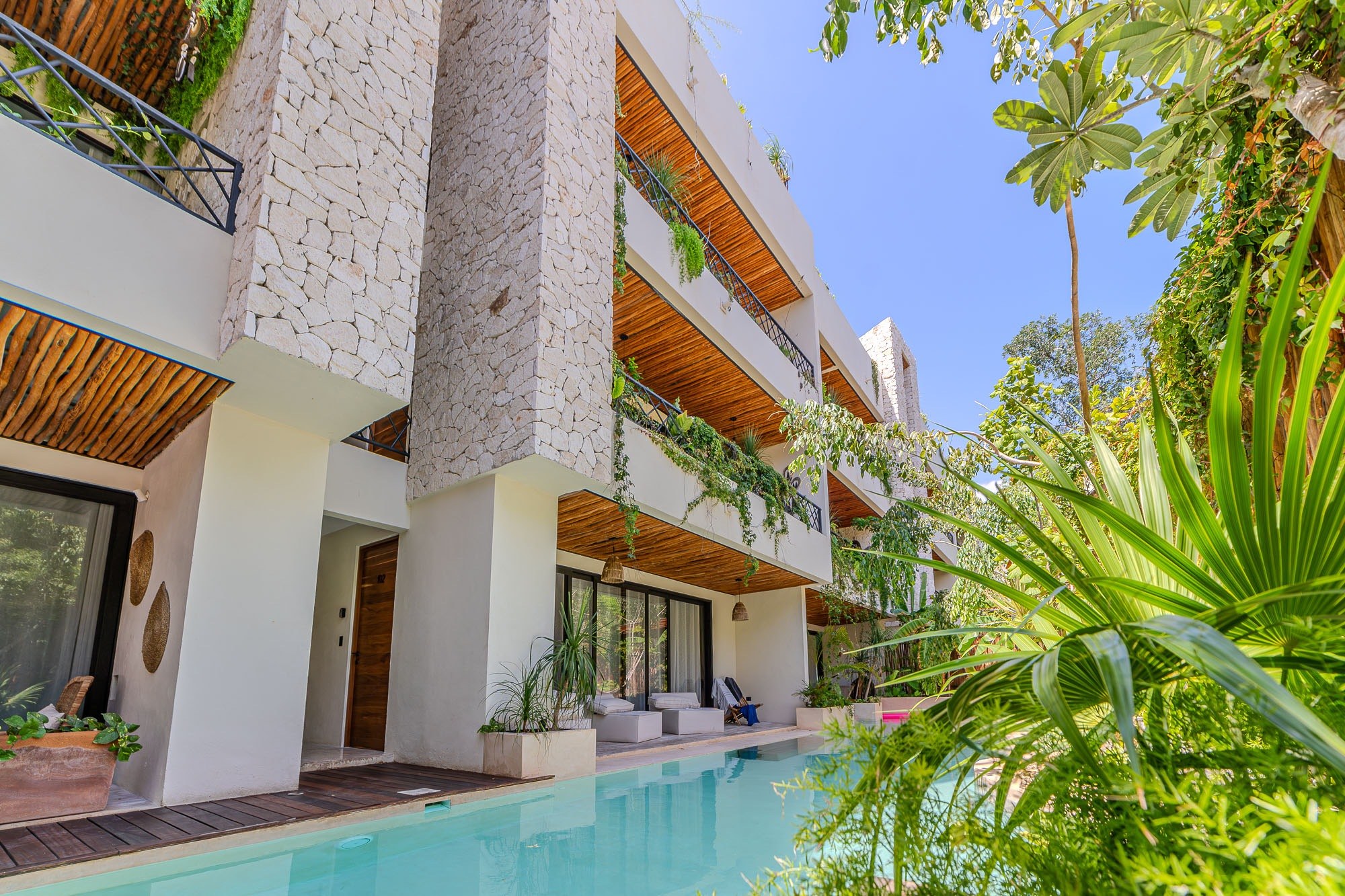
Itza II | 2 Bedroom Furnished Apartment with Private Jacuzzi in Aldea Zama, Tulum
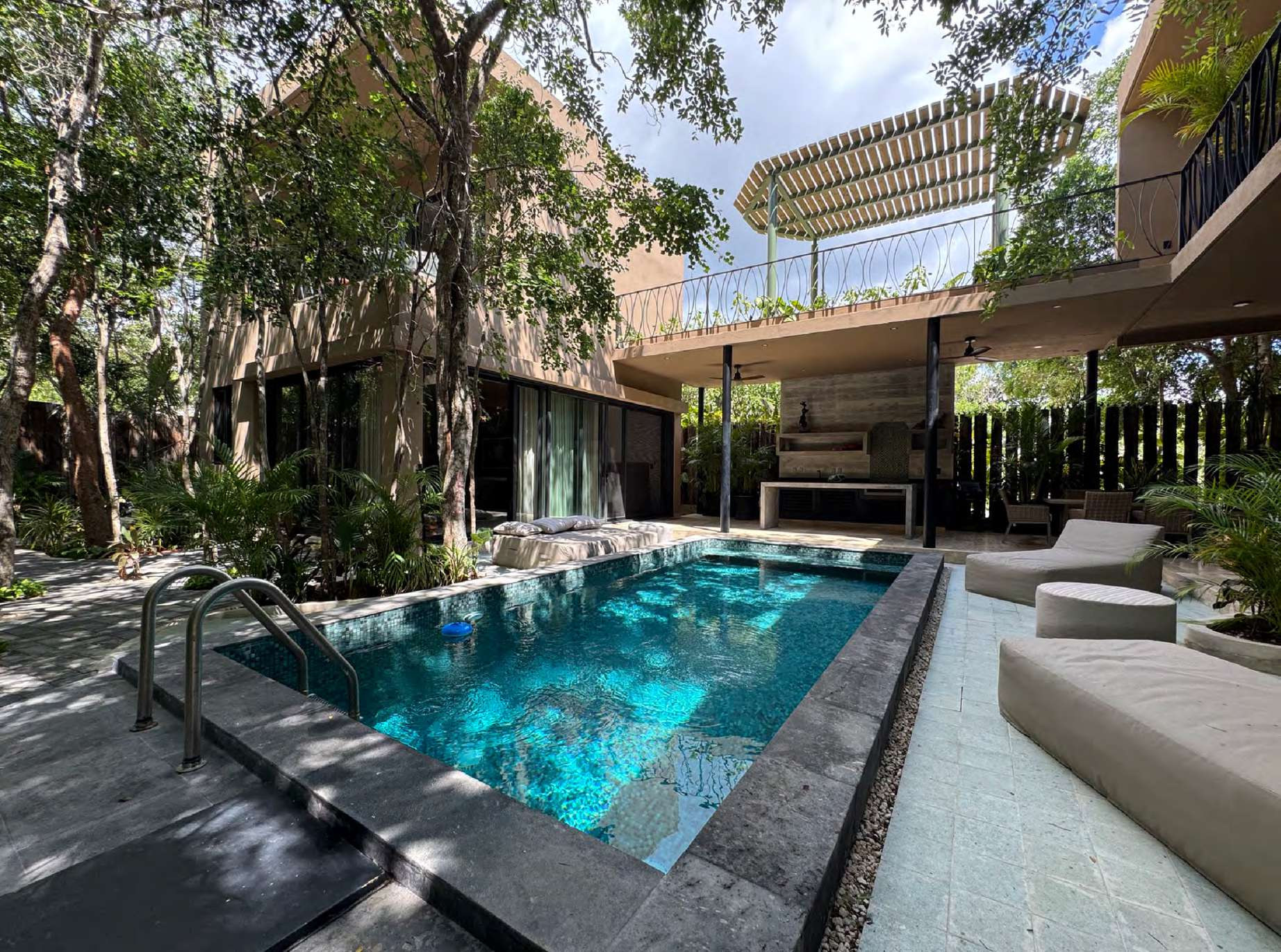
House Yaxche | 4 Bedroom Canopy Compound in Region 15, Tulum
Fully furnished 4 bed compound in gated Casa Verde, Region 15, Tulum. Main house plus two independent studios, heated pool, solar. $1,050,000 USD.
Follow our Tulum market reporting in Google.
Add to preferred sourcesWe are the ultimate guide to invest in Tulum
The complete guide to buying property in Tulum. Find homes for sale, condos or land and consult with an experienced real estate advisor.
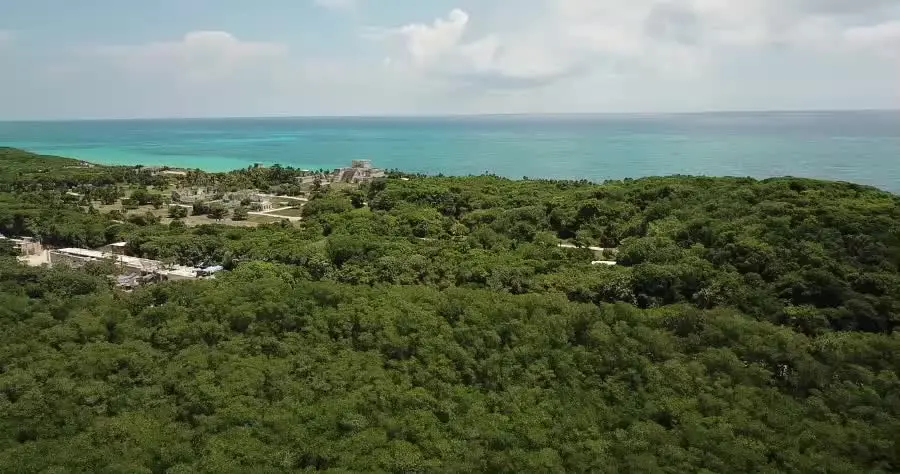
News: Real Estate, Lifestyle and Growth Across the Riviera Maya
The latest from Tulum, the Riviera Maya and the Mexican Caribbean, from market trends and investment opportunities to lifestyle and the infrastructure shaping the coast.