The legal steps for a foreign buyer in Tulum, with the official sources


A foreign buyer in Tulum holds the property through a fideicomiso (a bank trust) permitted by the Foreign Ministry, signs before a notario (a government-appointed notary), and the deed is entered in the state public registry. Closing costs: 6 to 10 percent, all-in including the trust. Offer to keys: 60 to 90 days for a finished home paid in cash.
Most explanations of this process are either a sales pitch or a translation of the law. This page is neither. It names each step, says what it costs where a public figure exists, and links the government body that actually does it, so you can read the source instead of taking our word. Where a figure is a published range rather than something we have measured, it says so. Every number is confirmed by the notario on your own purchase before you rely on it.
Step 1. Why a bank trust, and what it is
Article 27 of the Mexican Constitution bars foreigners from holding direct title to land within 50 kilometers of the coast or 100 kilometers of a border, the "restricted zone". Tulum is inside it. The Foreign Investment Law (Ley de Inversión Extranjera) sets out the solution: a Mexican bank holds title in a trust and the foreign buyer is the beneficiary, with the right to use, rent, improve, mortgage, sell and leave the property to heirs. The bank is trustee, not owner, and has no say over the asset.
The trust runs 50 years and is renewable. Buyers often hear "you lose it after 50 years". You do not; renewal is a routine filing.
- Constitution, Article 27: diputados.gob.mx, CPEUM (PDF)
- Foreign Investment Law, Articles 10 to 14: diputados.gob.mx, LIE (PDF)
Inland property, Mexico City for example, is outside the restricted zone and needs no trust. A Mexican corporation is the other route for some buyers; when it suits is a question for your adviser, not for this page.
Step 2. The permit from the Foreign Ministry
The trust needs a permit from the Secretaría de Relaciones Exteriores (SRE). You do not file it yourself: since April 2012 the trustee bank's own delegate files the application, and the notario coordinates it with the bank. In our deals the buyer's own lawyer starts the trust application once due diligence is complete. The SRE's published fee for the permit is MXN 21,650; that is the SRE's figure, it may change in the next fee table, and the notario confirms the current amount on your statement.
- The permit, on the SRE's procedures portal (portales.sre.gob.mx): "permiso para constitución de fideicomiso sobre inmuebles localizados dentro de la zona restringida"
- The SRE fee and processing-time table: portales.sre.gob.mx, costos y tiempos
Published 2026 sources put the bank's charge for setting up the trust at $2,000 to $3,000 USD all-in including this permit, and the bank's yearly trustee fee at $500 to $800 USD. Those are published ranges, not our figures; the trust bank quotes its own.
Step 3. The notario
A notario público is not the person at a US bank who stamps a signature. In Mexico a notario is a state-appointed lawyer holding a public office, limited in number, who verifies that the title is good and the transaction lawful, calculates and remits the taxes, and registers the deed. The notario carries legal responsibility for the validity of the transaction, which is why the fee is a percentage rather than a flat charge.
In practice we suggest a notario and the buyer confirms the appointment. On a purchase through a trust the bank may narrow the choice to its own approved panel. The appointment matters: the notario is the one party who verifies title, liens and property-tax status before you pay.
Notaries in Quintana Roo are appointed and supervised by the state's Secretaría de Gobierno through its Dirección General de Notarías, which publishes the directory of notaries in the state's official gazette (Periódico Oficial). A notario's number and seal should match that directory.

Step 4. Title and the public registry
Every titled property in the state has a folio in the Registro Público de la Propiedad y del Comercio (RPPC) of Quintana Roo. The notario pulls the record, checks the chain of ownership and orders the certificate of no liens (certificado de libertad de gravamen) before the deed is signed. After signing, the notario registers the new deed, and the trust, at the same registry. Published sources put the registration charge at 0.5 to 1 percent of the price; the notario confirms it.
Two things to know before this step. First, land that is ejido (communal) cannot be sold as private property until a specific legal conversion has been completed; a seller who cannot show the folio, or whose parcel numbers differ between documents, has not cleared that bar. Second, a seller who resists independent verification by a notario is the strongest single warning sign on the coast. Neither is a reason to panic; both are reasons to let the notario finish.
Step 5. Taxes, at purchase and after
At purchase. The buyer pays the state acquisition tax (ISABI in Quintana Roo), charged on the higher of the price paid or the official valuation, which published sources put at 2 to 3 percent. The notario calculates it and remits it.
Every year. Property tax (predial) is set by the municipality and billed in pesos; on our listings it comes to about 0.1 percent of the purchase price a year, and the exact figure is on the property's own bill.
If you rent it out. Rental income is taxable in Mexico. An owner who registers with the tax authority (SAT) for a taxpayer number (RFC) is treated very differently from one who does not, and the booking platforms withhold at different rates for each. Register before the first guest, not after.
If you sell. A non-resident seller is taxed on the sale, and the notario runs two calculations, one on the gross price and one on the net gain, and applies the one the law allows for your case. Which is cheaper depends on how much the property gained. Keep every invoice (factura) for improvements from the day you buy; they are what the net-gain calculation can use.
- Tax authority: sat.gob.mx
The Mexican side above is general. Your reporting at home (US or Canadian) depends on your own situation and needs a cross-border adviser; we do not advise on it.
Step 6. What it adds up to
Closing costs on a Tulum purchase run 6 to 10 percent of the price, all-in including the trust. The spread is not vagueness; it is arithmetic. The trust and its permit are roughly flat charges, so on a $200,000 USD studio they are about 2 percent of the price, and on a $1,500,000 USD villa about 0.3 percent. A cheaper property sits at the top of the band, a more expensive one near the bottom. The individual lines (acquisition tax 2 to 3 percent, registration 0.5 to 1 percent, the permit, the trust) are published 2026 ranges for Quintana Roo, not our figures. We give no percentage for the notario's own fee: the one budget we have seen put it well above the published ranges, and we do not know how it changes with price. That budget, from 2024 and subject to confirmation, covered a trust purchase of about $144,500 USD and came to 9.5 percent of the price in total, taxes and trust included. Your notario's statement is the one that counts.
For a finished home paid in cash, 60 to 90 days from accepted offer to keys is what we see. Financing or a pre-construction purchase can extend it.
Step 7. If you are buying from a developer
A developer selling homes to the public in Mexico must register its standard sales contract with the federal consumer protection agency, PROFECO, and you can ask for the registration number and check it. PROFECO's Buró Comercial also records complaints against a company. For a pre-construction purchase, ask how construction is funded and paid for, who owns the land, and what the developer has delivered in this region. Then let the notario check the permits rather than taking the brochure's word.
What we do in this
We find the property, agree the price, suggest the notario, coordinate the bank, the inspection and the paperwork, and see the purchase through to keys. We do not replace the notario or your adviser, and this page does not either. What we check before a property goes on our site, and what to ask any agent, us included, are on their own pages.
This page is general information about the legal steps in a Mexican property purchase, not legal or tax advice. Confirm every step and every figure with the notario on your own transaction and with your own adviser.
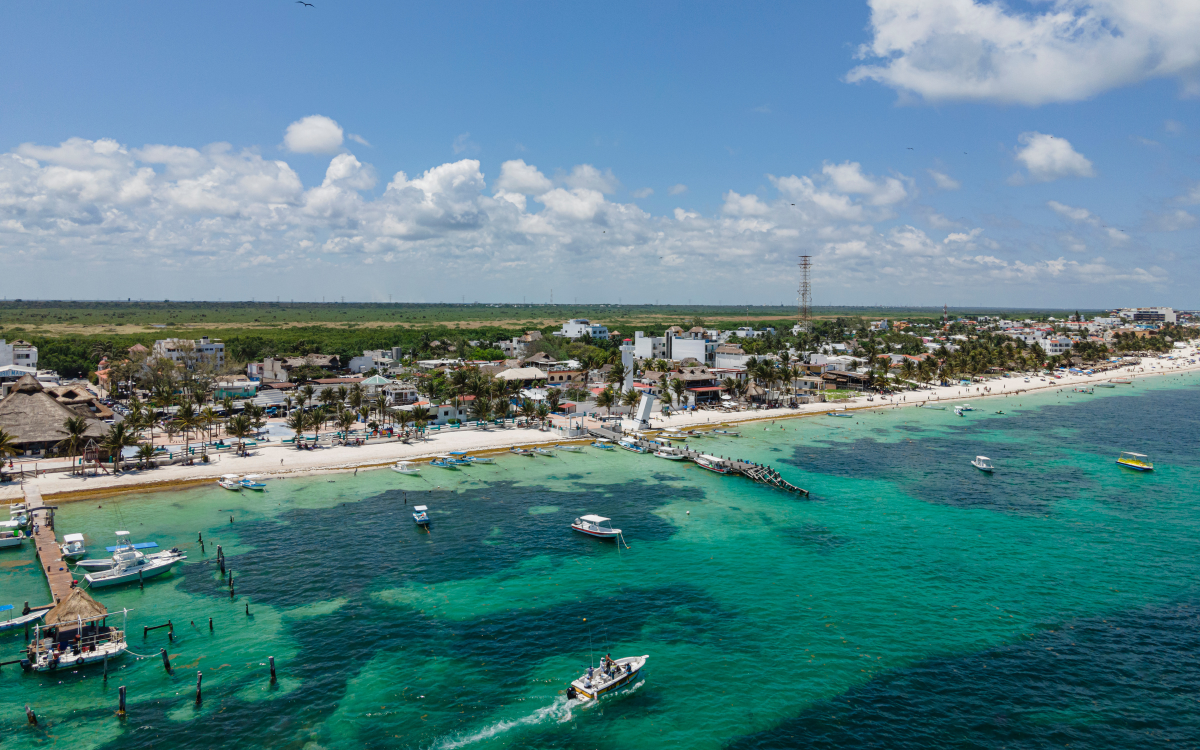
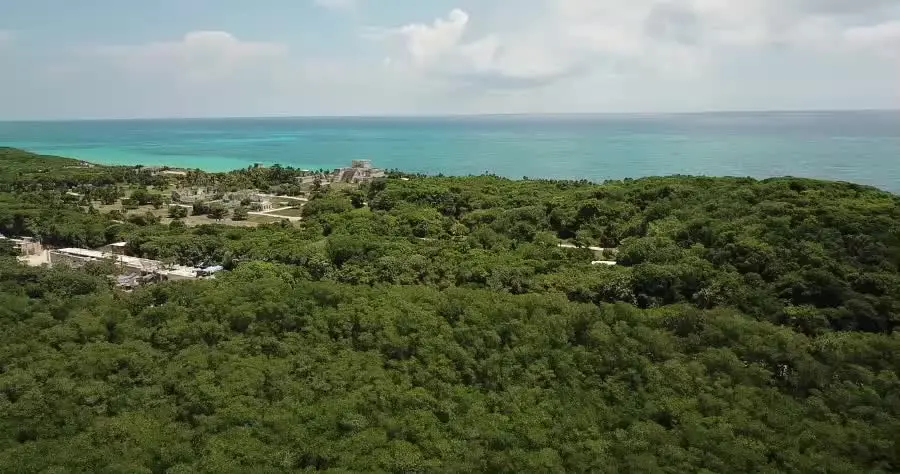
Sources: Constitución Política de los Estados Unidos Mexicanos, Article 27; Ley de Inversión Extranjera, Articles 10 to 14; Secretaría de Relaciones Exteriores, Dirección General de Asuntos Jurídicos, permit for a trust over property in the restricted zone, and its fee table; Registro Público de la Propiedad y del Comercio de Quintana Roo; Servicio de Administración Tributaria; Procuraduría Federal del Consumidor. Cost ranges: Homia, JanusHermes, Plalla, Breeze Real Estate and TheLatinvestor, Quintana Roo closing costs, compiled August 24, 2026. The 6 to 10 percent band and the 60 to 90 day range are Tulum Land and Property's own, confirmed September 30, 2026. Top photo: Benoît Prieur, CC0, via Wikimedia Commons.
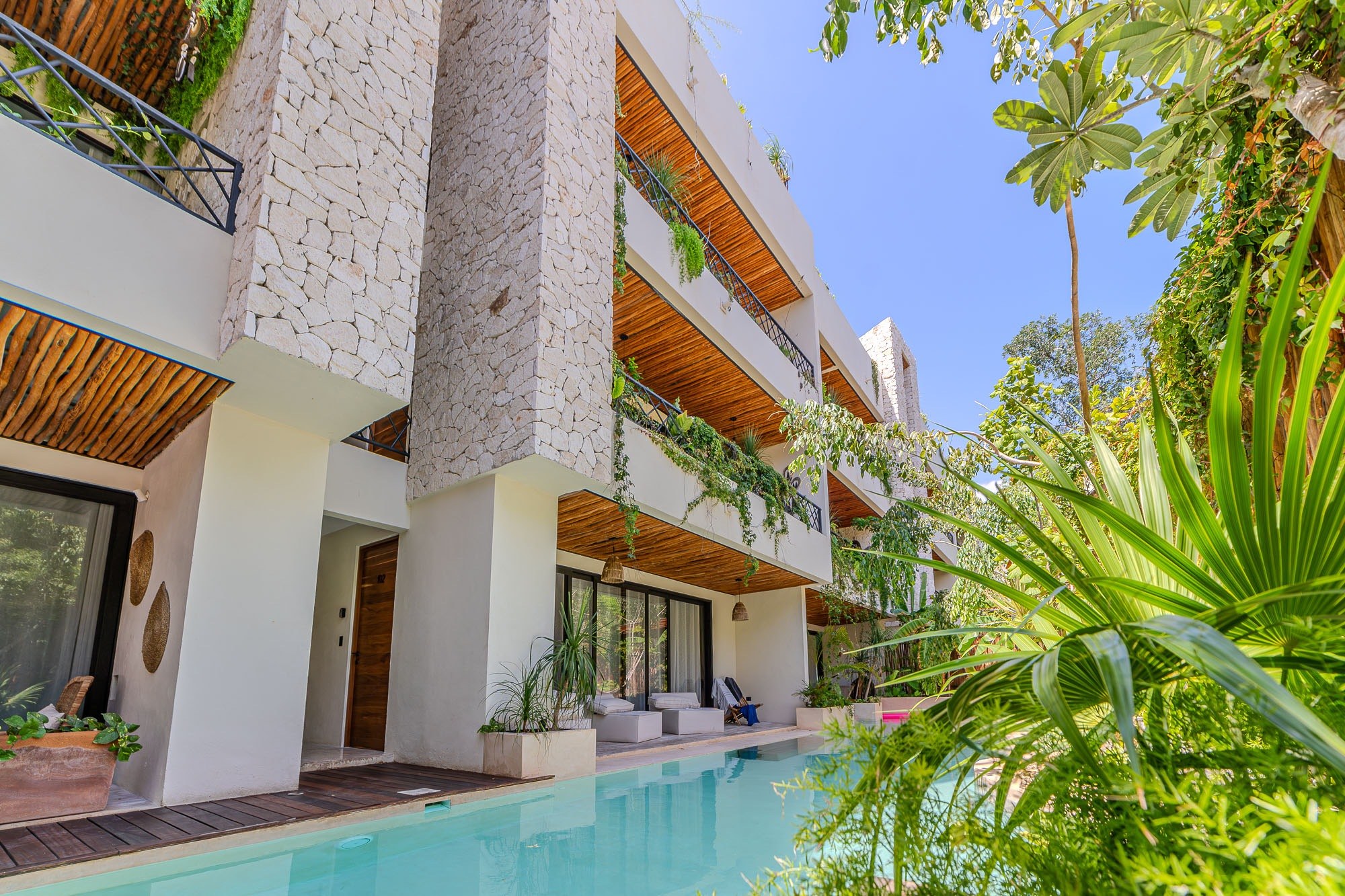
Itza II | 2 Bedroom Furnished Apartment with Private Jacuzzi in Aldea Zama, Tulum
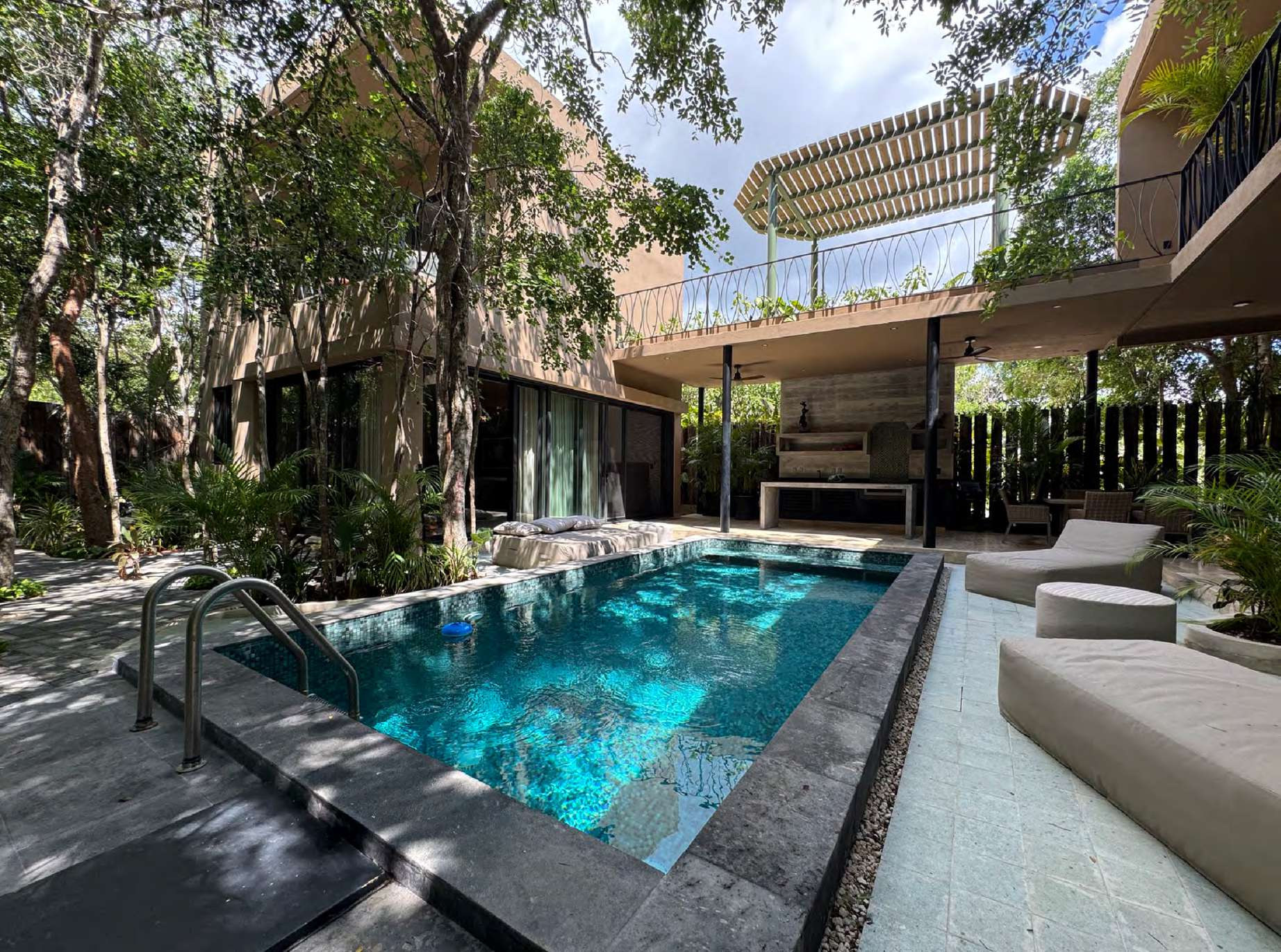
House Yaxche | 4 Bedroom Canopy Compound in Region 15, Tulum
Fully furnished 4 bed compound in gated Casa Verde, Region 15, Tulum. Main house plus two independent studios, heated pool, solar. $1,050,000 USD.
Follow our Tulum market reporting in Google.
Add to preferred sourcesWe are the ultimate guide to invest in Tulum
The complete guide to buying property in Tulum. Find homes for sale, condos or land and consult with an experienced real estate advisor.
News: Real Estate, Lifestyle and Growth Across the Riviera Maya
The latest from Tulum, the Riviera Maya and the Mexican Caribbean, from market trends and investment opportunities to lifestyle and the infrastructure shaping the coast.