Living in Mérida: Neighbourhoods, Cost of Living, Healthcare and Moving There


Mérida is the capital of Yucatán, about three hours west of Tulum by road, and it is one of the reasons Mexico's southeast keeps showing up on relocation lists. A colonial city of just over a million people, it combines the culture and dining of a state capital with living costs that sit well below Cancún or Mexico City, and a safety record that has earned it a reputation as the safest large city in Mexico.
Tulum Land and Property does not sell directly in Mérida. We serve this market through a referral partner, and if you are interested in buying there we will connect you with someone who knows the city's inventory as well as we know the Riviera Maya's. This guide is what we would tell you over coffee before making that introduction.
The neighbourhoods
Mérida's geography is simple. The historic centre sits inside a ring of colonial-era barrios. North of that, the city sprawls into newer residential developments. Most long-term residents, including the expat community, settle on the axis that runs from the centre northward.
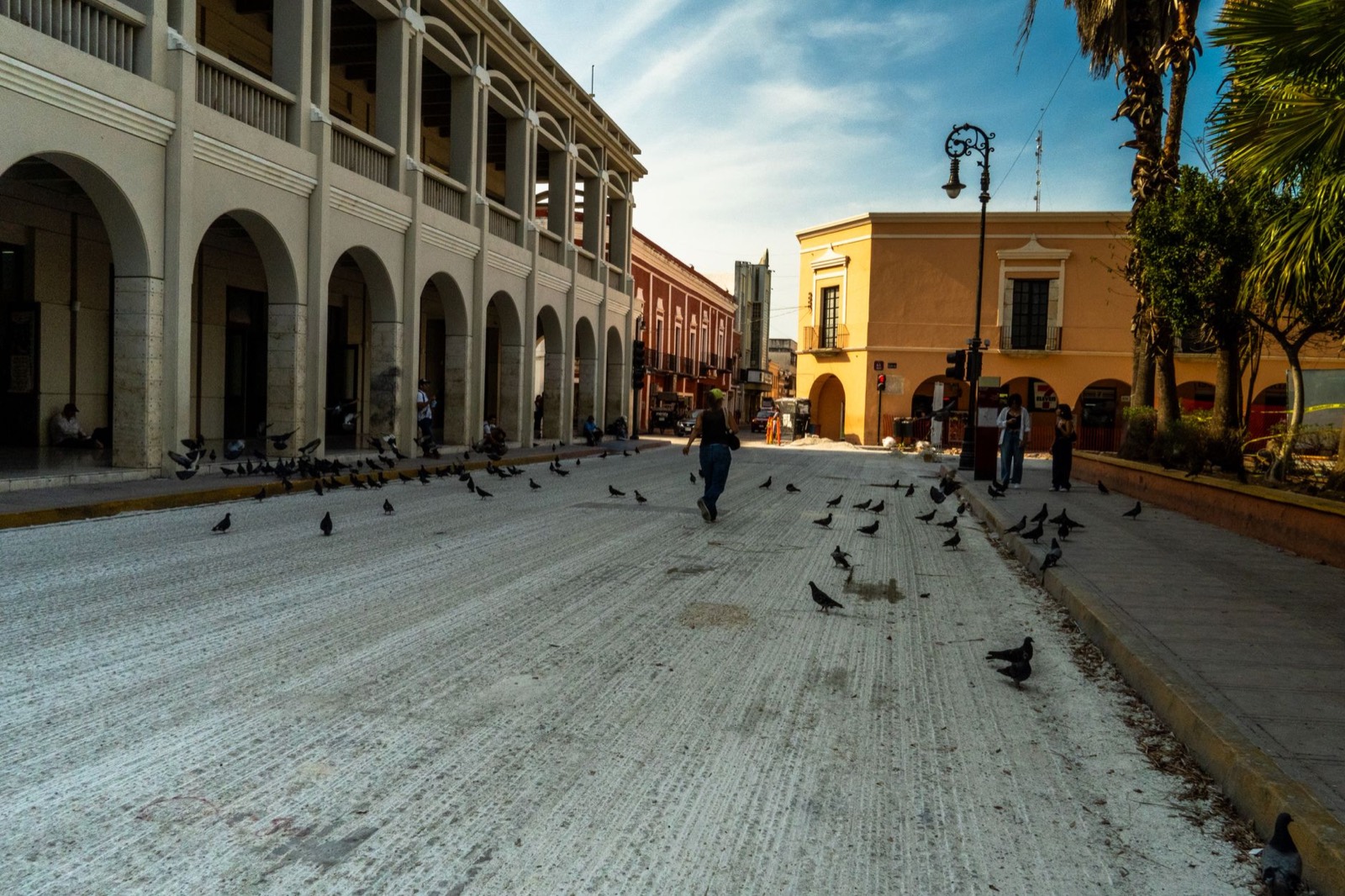
Centro. The historic core: restored colonial buildings, restaurants, galleries and Sunday markets. Property here ranges from renovation projects in quieter streets to finished homes on or near Paseo de Montejo, the city's grand boulevard. The trade-off is traffic and parking — the streets were not designed for cars, and getting out of the centre during rush hour takes patience.
Santiago and Santa Ana. Two barrios immediately north of the centre that have attracted families and long-term residents. Santiago has a slower pace and a neighbourhood feel. Santa Ana sits between the centre and Paseo de Montejo, walkable to both.
Paseo de Montejo corridor. The avenue itself is lined with early-twentieth-century mansions and mature trees. The surrounding blocks — García Ginerés, Itzimná — are among the most established residential areas in the city, with private hospitals, schools and supermarkets nearby.
North Mérida: Montebello, Altabrisa, Montes de Amé, Temozón Norte. Newer developments with larger lots, more parking and gated options. Altabrisa has the city's main shopping centre. Montebello is a quieter residential area with tree-lined streets. These areas are practical for families and for anyone who wants space, at the cost of being further from the colonial centre.
The rule of thumb cited by local agents: anything above Calle 59 tends to be comfortable and well served. Below that, the city gets more characterful and less predictable.

Cost of living
⚠ The figures below are RESEARCHED from public 2026 sources, not verified by TLAP. They are a starting point, not a budget. Check current rents and utility costs before making a decision.
Most sources put a single person's monthly living costs in Mérida at roughly US$1,400 to US$2,200, including rent, for a comfortable but not lavish lifestyle. A couple living together will spend roughly US$2,000 to US$3,000. The main variables are housing, air conditioning and how often you eat out.
Housing. A furnished one-bedroom in the centre or García Ginerés runs roughly US$400 to US$700 a month. A two-bedroom house in north Mérida, US$600 to US$1,000. Buying is significantly cheaper than on the Riviera Maya: entry points in the northern suburbs start around US$100,000 to US$150,000 for a new-build house (source: Mexico News Daily real estate guide, August 2025).
Electricity is where budgets break. Mérida's summer heat is more intense than Tulum's, and April to September brings electricity bills that can surprise anyone used to the coastal breeze. Heavy air-conditioning use moves your bill to the DAC tariff tier, where the subsidised rate falls away and the per-kilowatt cost rises sharply. Several expat sources flag this as the single biggest budget variable (source: Rio Times Online, 2026).
Groceries and eating out. Grocery costs for two run roughly US$300 to US$400 a month shopping at local markets and supermarkets. Eating out is inexpensive by North American standards: a meal at a local restaurant costs US$3 to US$8, a mid-range dinner for two about US$25 to US$40 (source: Expatistan, Nomad Ranker, 2026).
Transport. Buses within the city are cheap. Taxis are affordable but unmetered in most cases — agree on the fare before getting in. Many residents buy or lease a car.
Healthcare
Mérida has both public and private healthcare systems. The private hospitals are the ones most expats use, and they offer a standard of care comparable to what you would find in a mid-size North American city, at a fraction of the cost.
Private hospitals to know about: Clínica de Mérida (Av. Itzáes, García Ginerés) is frequently cited as the city's leading private hospital, with intensive care, emergency and imaging services. Star Médica and Hospital CMA are also named by long-term residents (source: Yucatán Living, Expat Exchange).
What to expect with payment: Mexican hospitals typically require payment at the time of service and will not bill a foreign insurer directly. The U.S. Consulate in Mérida advises that you should get an itemised bill and seek reimbursement from your insurer afterwards. Medicare, Medicaid and most U.S. private health insurance are not accepted in Mexico (source: U.S. Consulate Mérida, via Expat Exchange; Yucatán Living).
IMSS (public healthcare) is available to residents who qualify. It covers routine and emergency care but waiting times are longer and facilities more basic. Some foreign residents enrol voluntarily through the IMSS program for foreigners; the annual cost is modest.
Moving there
Mérida is accessible by air from Mexico City, Cancún and several U.S. cities. The drive from Tulum is about three hours on the toll road via Valladolid, or four hours on the free road. The Maya Train connects the two cities, with the journey time and schedule still evolving in 2026.
If you are already a temporary or permanent resident of Mexico, moving to Mérida is a straightforward change of address. If you are starting from scratch, the process is the same as anywhere in Mexico: temporary residency first, either through the consulate in your home country or a border entry with the right visa, followed by permanent residency after four years. A local immigration lawyer is worth the cost.
Mérida has a well-established expat community and several English-speaking services, from lawyers and accountants to veterinarians and dentists. It is not a frontier — it is a capital city that has been receiving foreign residents for decades.
How we can help
Tulum Land and Property does not hold inventory in Mérida. We work with a referral partner who does. If you are considering Mérida, get in touch and we will make an introduction to someone who can walk you through what is available, what the buying process looks like there, and what the neighbourhoods feel like on the ground.
If you are weighing Mérida against Tulum or the Riviera Maya, we can help with that conversation too. The two places serve different lives — Mérida is a full-time city, Tulum is a smaller town oriented around the beach and the jungle — and the right choice depends on what you are looking for.
Sources: Rio Times Online (riotimesonline.com, "Living in Mérida" and "Cost of Living Mérida Expats 2026," accessed 14 October 2026). Mexico News Daily (mexiconewsdaily.com, "The insider's guide to investing in real estate in Mérida," August 2025). Expatistan (expatistan.com/cost-of-living/merida, June 2026 update). Nomad Ranker (nomadranker.com/cities/merida/cost-of-living, 2026). Expat Exchange (expatexchange.com/ctryguide/5648/77, accessed 14 October 2026). Yucatán Living (yucatanliving.com/healthcare/hospitals-in-merida-valladolid-yucatan). U.S. Consulate Mérida, via Expat Exchange.
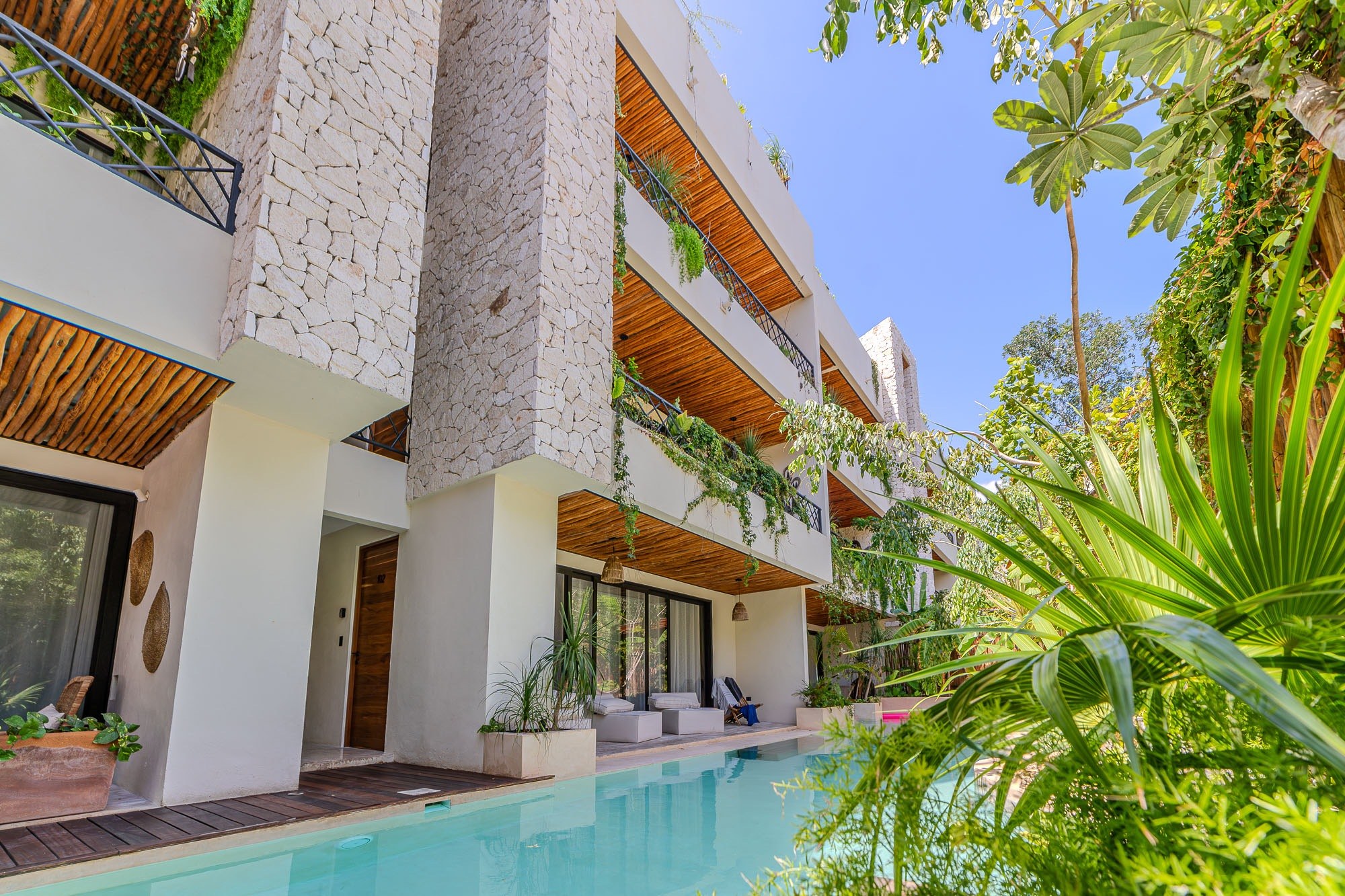
Itza II | 2 Bedroom Furnished Apartment with Private Jacuzzi in Aldea Zama, Tulum
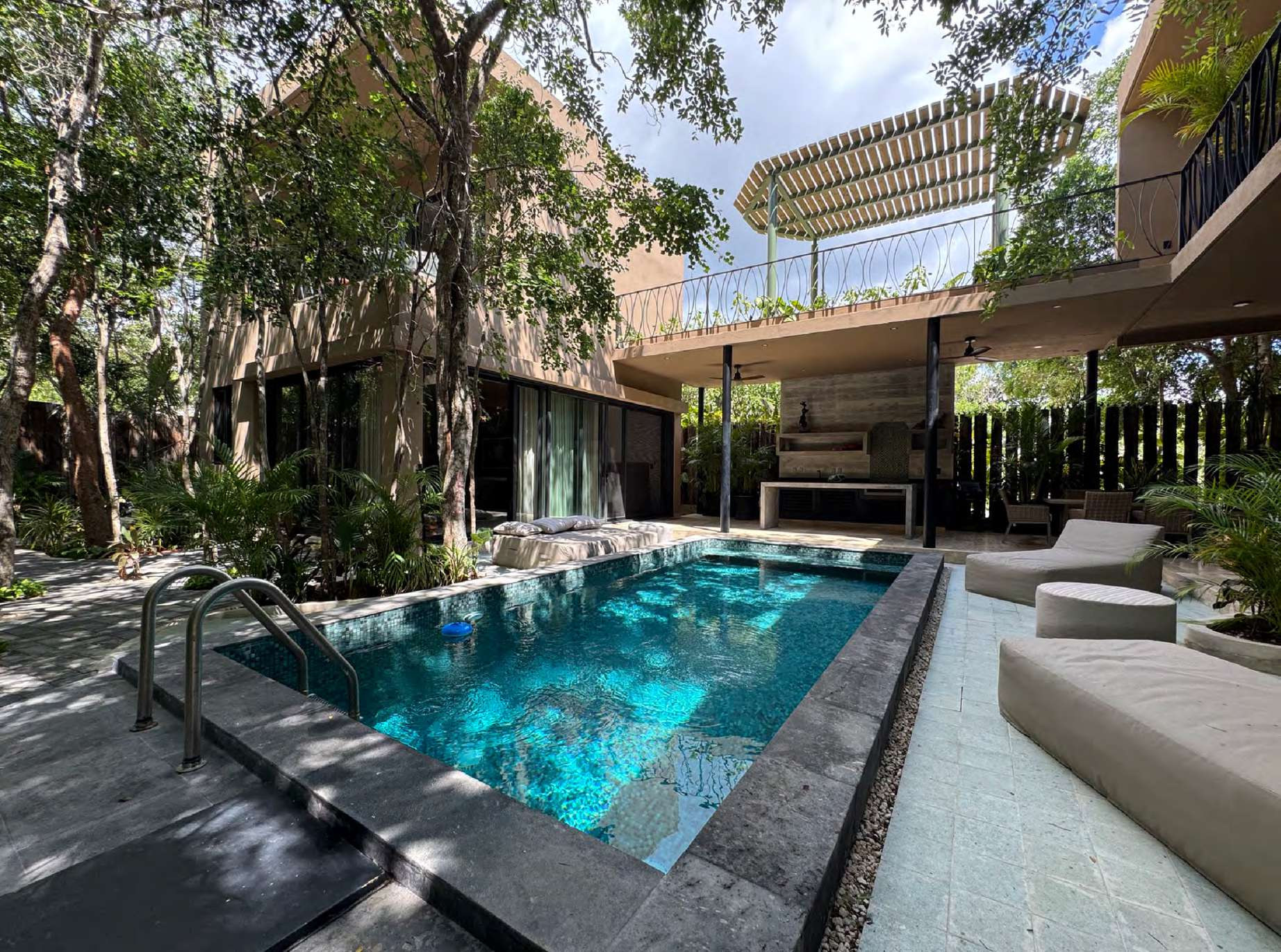
House Yaxche | 4 Bedroom Canopy Compound in Region 15, Tulum
Fully furnished 4 bed compound in gated Casa Verde, Region 15, Tulum. Main house plus two independent studios, heated pool, solar. $1,050,000 USD.
Follow our Tulum market reporting in Google.
Add to preferred sourcesWe are the ultimate guide to invest in Tulum
The complete guide to buying property in Tulum. Find homes for sale, condos or land and consult with an experienced real estate advisor.
News: Real Estate, Lifestyle and Growth Across the Riviera Maya
The latest from Tulum, the Riviera Maya and the Mexican Caribbean, from market trends and investment opportunities to lifestyle and the infrastructure shaping the coast.