Muyil Reopens Inside Sian Ka'an After Two Years of Work
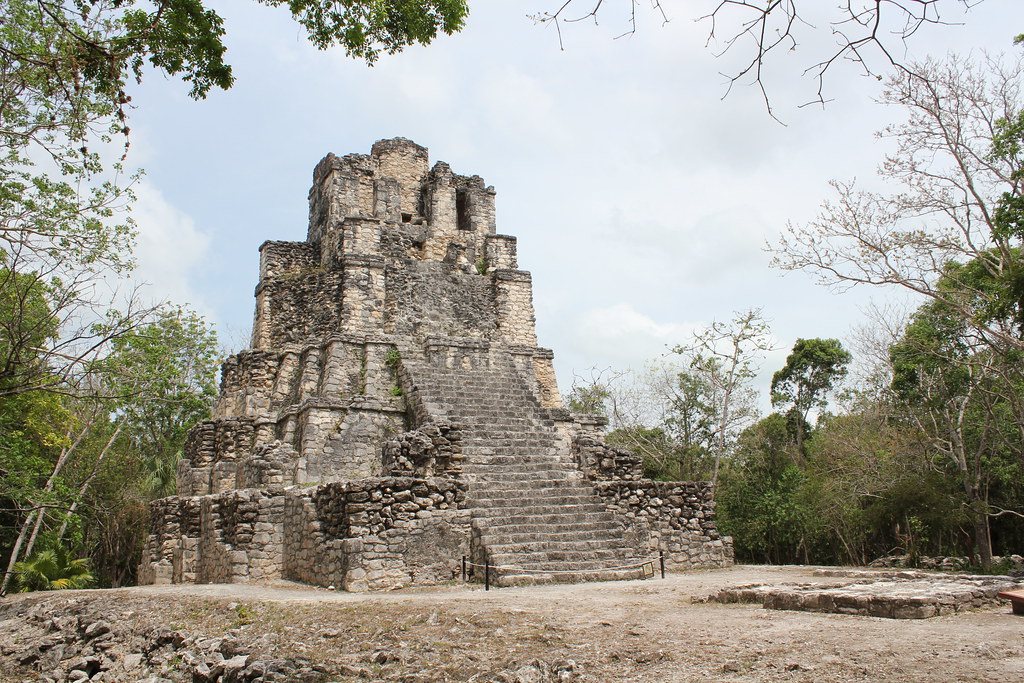


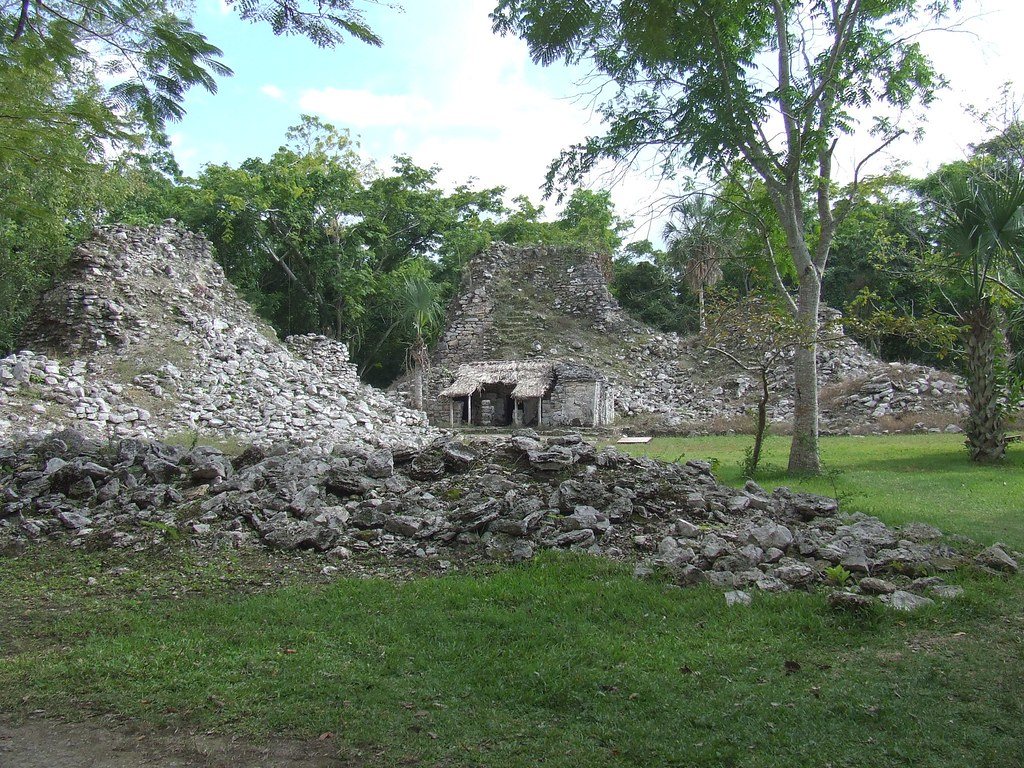
Twenty-five kilometres south of Tulum, directly on Highway 307, a Maya site that most visitors drive past without noticing has reopened. Muyil, also called Chunyaxche, came back to the public in February after roughly two years closed, and the interesting part is not the reopening. It is what the closure was actually for.
Sites shut for restoration all the time and reopen looking much as they did. Muyil has come back with a portico, a guardhouse, ticket booths, restrooms, parking, signage and rest areas, new and improved visitor trails, an Educal bookstore, a crafts shop, an information centre and administrative and research offices. That is not a repair. That is a site being equipped to receive people at a scale it never has.
The programme behind it
Muyil was worked on under Promeza, the Programme for the Improvement of Archaeological Zones, administered by Mexico's Ministry of Culture through the National Institute of Anthropology and History. Promeza is the archaeological arm of the Maya Train, and its logic is straightforward: a railway that delivers visitors to the peninsula is only useful to the sites along it if those sites can handle the arrivals.
The sequence at Muyil ran in two parts. Conservation work came first, across eleven structures in three architectural complexes between March 2023 and February 2024, including new roofs on Buildings 6 and 8 in the La Entrada Group and on Building 4 in the Sacbe Group. The public services infrastructure followed, built between March 2024 and November 2025. An introductory exhibition room with information panels and screens was added.
The reopening was announced on 11 February 2026 with Governor Mara Lezama and Mayor Mary Hernandez Solis present, alongside Jose Luis Perea Gonzalez, technical secretary of INAH, and Enrique Alcala Castaneda, academic director of the Muyil project.
What came out of the ground
The excavation produced ceramic material rather than architecture. Among the finds were incense burner fragments and a ceremonial vessel carrying a shell pectoral, deposited as an offering after the building it sat in had been abandoned.
That last detail is the one worth pausing on. An offering made after abandonment means people came back to a place they had stopped living in and left something there deliberately. Whatever Muyil had been to the people who built it, it went on mattering to them after they had gone.
Where it sits
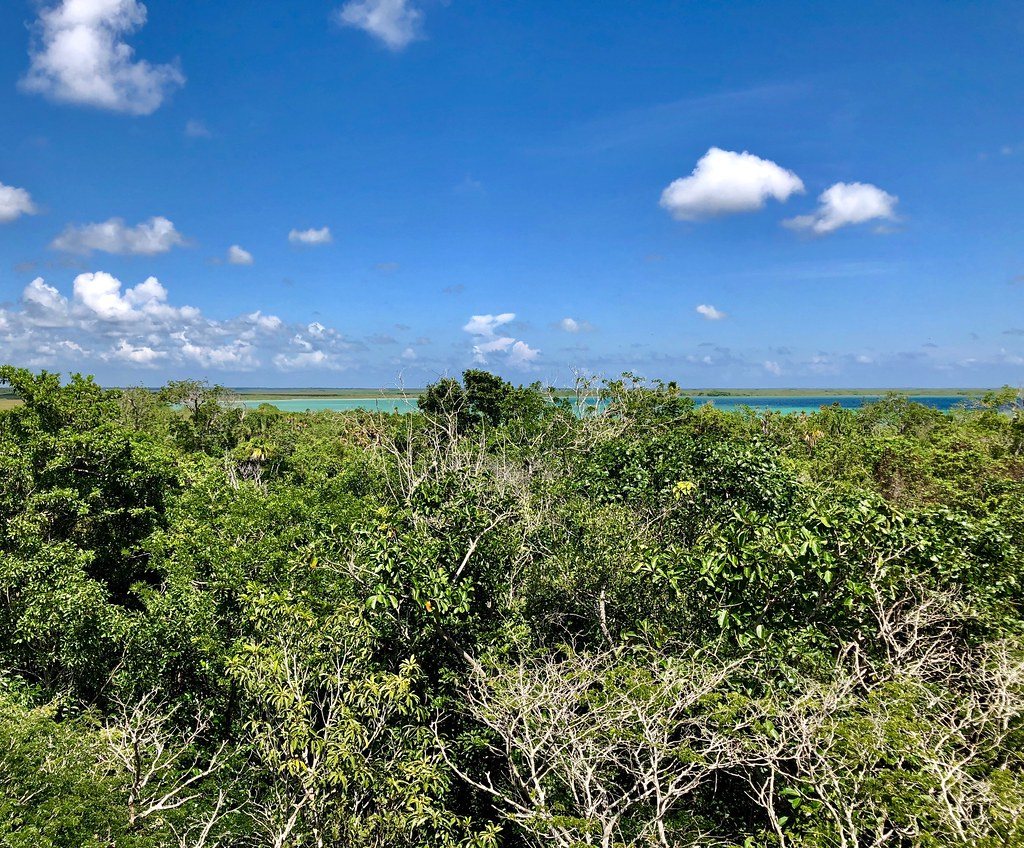
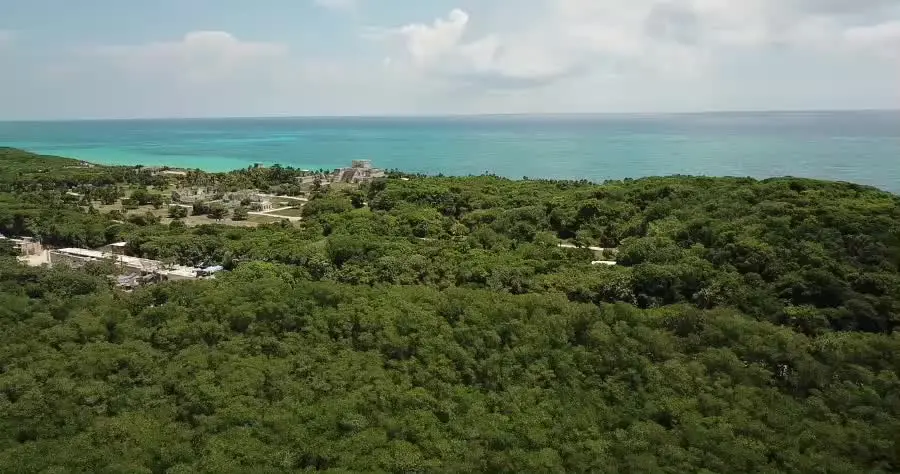
Muyil is inside the Sian Ka'an Biosphere Reserve, a UNESCO World Heritage site and the largest protected area in the Mexican Caribbean, and its position explains the site's character. The ruins sit at the northern edge of the reserve on the road, with the Muyil and Chunyaxche lagoons behind them, connected by a channel the Maya cut and used as a trade route. The float down that channel is the reason a good number of visitors come at all.
Sian Ka'an is tightly managed by design, with limited access, restricted boat routes and caps on visitor numbers. Muyil is the part of it you can reach without a tour and without a boat, which makes the new infrastructure a more consequential change than it would be at a site with no constraints around it.
What this does and does not change
It does not turn Muyil into Chichen Itza, and nothing in the programme suggests anyone wants it to. The reserve's visitor caps are still there and the site's scale is unchanged.
It also completes a picture we described in August without naming this piece of it. When Xel-Ha reopened near Tulum in the same state programme, we wrote that it was the last of eleven sites. Muyil was one of the others, and its infrastructure went in over the same period.
What it does mean is that a site which for years was a car park, a hut and a path now has the fabric of somewhere designed to be visited. For the stretch of coast between Tulum and the reserve, that is the sort of change that shows up slowly and then looks obvious in hindsight.
Sources: INAH announcement of the reopening of the Muyil archaeological zone, with the Promeza works schedule, structures conserved, infrastructure built and finds recorded, Riviera Maya News, 11 February 2026. Sian Ka'an designation and management, UNESCO Man and the Biosphere Programme.
Main image: Muyil, Structure 8I-13, Castillo by Arian Zwegers (CC BY), via Openverse
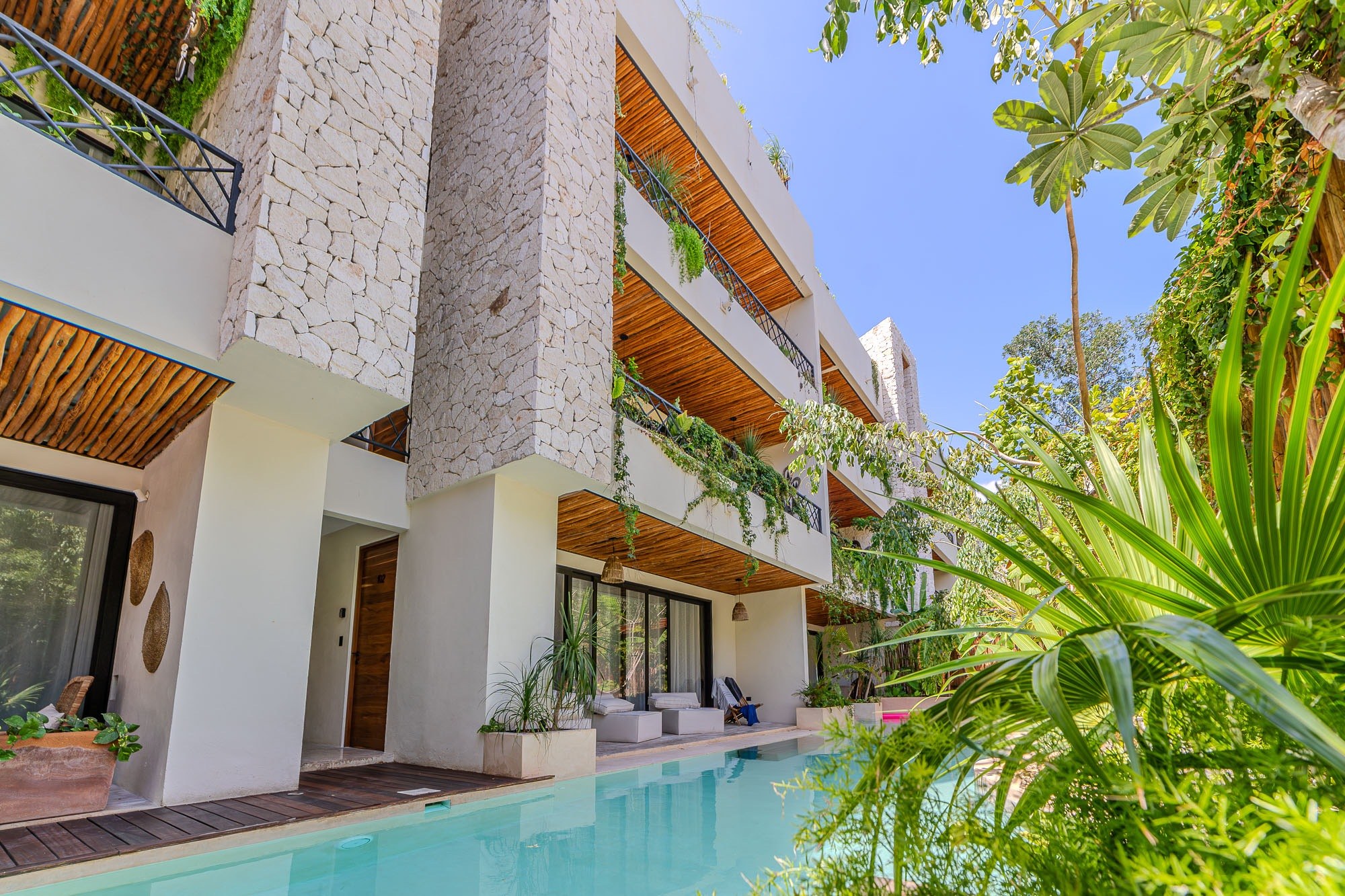
Itza II | 2 Bedroom Furnished Apartment with Private Jacuzzi in Aldea Zama, Tulum
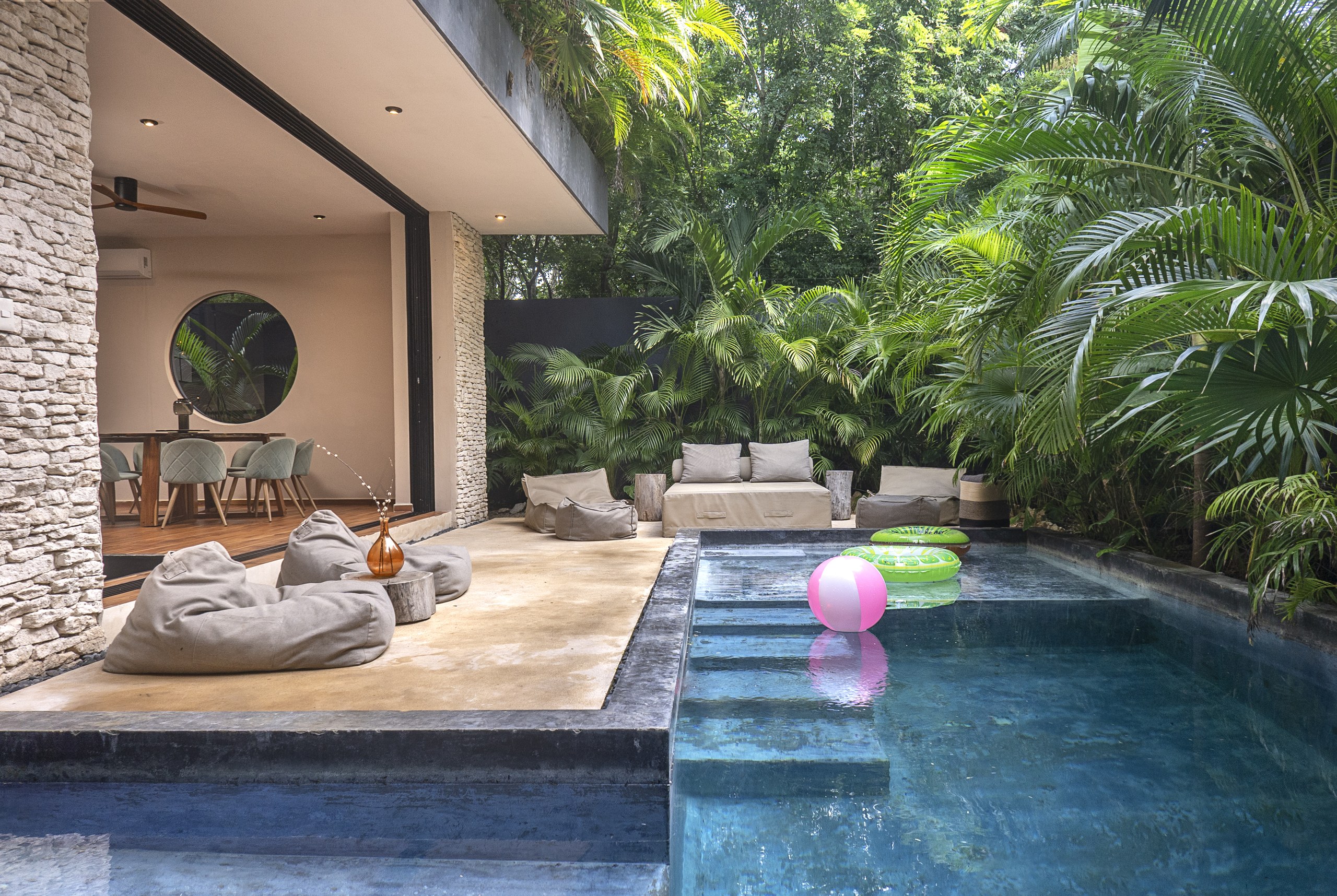
Maison Siscolino | 4 Bedroom Villa with Swim Up Pool and Rooftop Plunge Pool in Region 15, Tulum
Maison Siscolino, Region 15 Tulum. Furnished four bedroom villa, 245 m² on a 301 m² lot with swim up pool and rooftop plunge pool.
Follow our Tulum market reporting in Google.
Add to preferred sourcesWe are the ultimate guide to invest in Tulum
The complete guide to buying property in Tulum. Find homes for sale, condos or land and consult with an experienced real estate advisor.
News: Real Estate, Lifestyle and Growth Across the Riviera Maya
The latest from Tulum, the Riviera Maya and the Mexican Caribbean, from market trends and investment opportunities to lifestyle and the infrastructure shaping the coast.