Playa del Carmen is rebuilding the road to Punta Esmeralda before the winter season


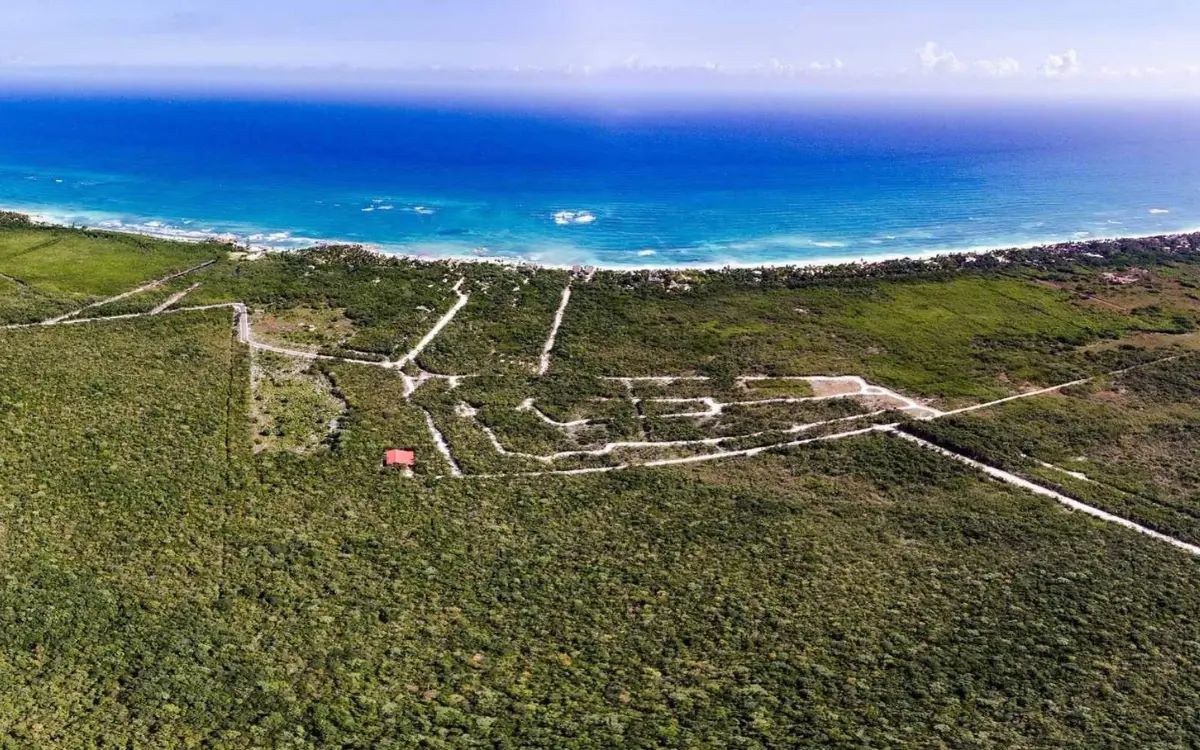
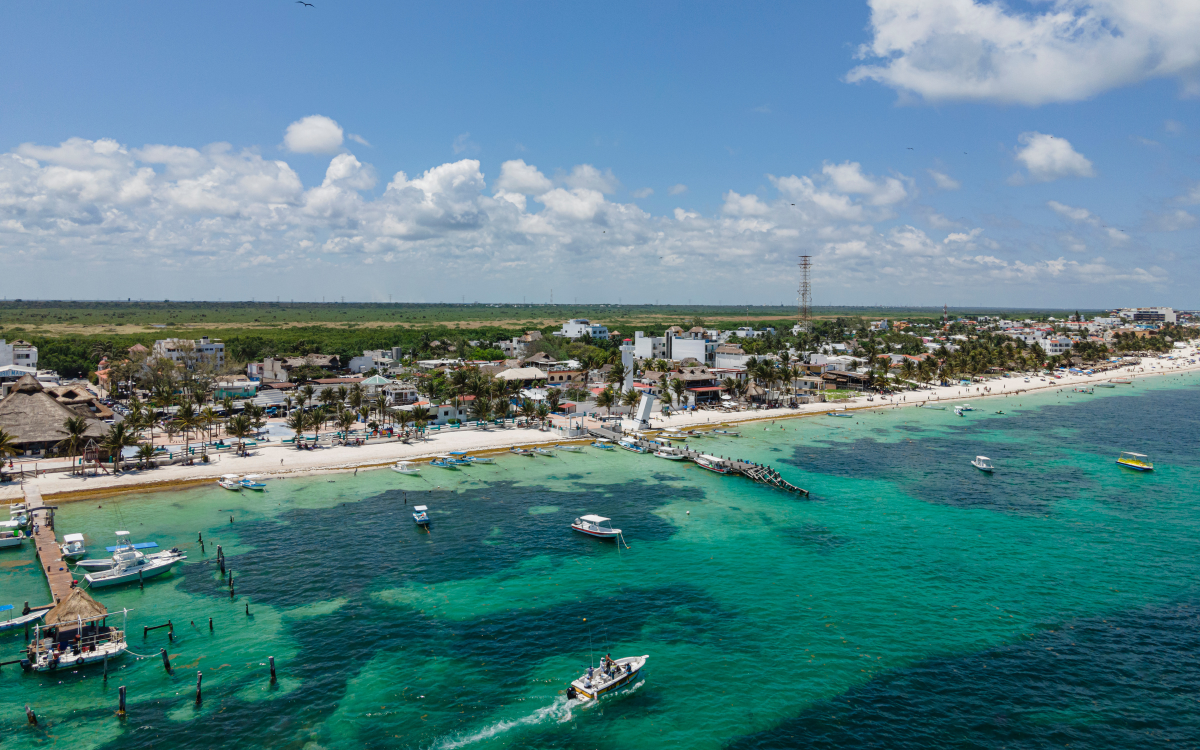
Playa del Carmen has closed the main road to Punta Esmeralda, one of its busiest public beaches, so that it can be rebuilt before the winter season. It is a 23 million peso job on a sand track barely 500 meters long, and the argument it started in its first week, over a gate the city now says will not be built, shows how much this one stretch of shore matters to the town.
Work began on Monday, August 31. The contract was tendered by the city's infrastructure and public works department in early July under the number SIyOP-FORTAMUN-013-2026, and awarded on July 22 to the contractor Carlos Gualberto Calam Cuesta for 22,996,549.02 pesos, roughly $1.35 million USD at about 17 pesos to the dollar. The money comes from FORTAMUN, the federal fund that pays for municipal public works, after the city council added Punta Esmeralda to its 2026 works program in April. The tender allowed 120 calendar days. The department's secretary, Doris Aké Sierra, has said the aim is to finish in September, October and November and to reopen before the December high season, with the middle of December held as a margin if the weather slows the job.
Until then the beach itself stays open. The road in is fenced off, and swimmers reach Punta Esmeralda along the sand from the certified public beach at Calle 88, further south along the shore.
What is being built
The road runs a little over 500 meters from Quinta Avenida to the sand, along the edge of the Luis Donaldo Colosio and Nicte-Há neighborhoods. Today it is a dirt track, and it is not only beachgoers who use it. The municipal trucks and heavy machinery that clear sargassum from this part of the coast come in the same way, and each rainy season the track breaks up under them.
The project replaces it with high strength interlocking concrete pavers built to carry that heavy traffic, plus a separate pedestrian zone with handrails, tactile guide strips for blind and partially sighted visitors, a parking area, repairs to the existing bathrooms, and an embankment to deal with the ground that has been sinking along the route. At the entrance there will be an arch.
The reason the road was never paved before is a question of title. For years the access was not municipal property, so no administration could spend public money on it. According to the secretary general of the city council, Luis Herrera Quian, the stretch was donated to the city by the Corasol complex; Novedades Quintana Roo reported on September 21 that the donation came from the company Proyectos y Desarrollos Hispanomexicanos, was approved by the council, and is still awaiting registration at the state Public Property Registry.

An arch, and the question of a gate
The arch is where the trouble started. On the first morning of the works, the Heraldo de México's Quintana Roo edition watched crews testing what looked like wheels running along the ground where the arch would stand, the kind of track a sliding gate runs on. Residents who studied the project renders said they showed a gate in the arch, and the question they put to the city was a simple one: why would a public beach need a door that someone could close?
The first answer did not settle it. In the first week of September, Herrera Quian confirmed that the design included a gate, described it as protection for a place the people of Playa value highly, rejected any suggestion of privatization, and added that the project could still change. On September 10 Aké Sierra went further. "The project does not have a gate, let that be very clear," she told Quintana Roo Hoy. The arch, she said, will only mark the start of the rebuilt road, and the mesh now across the entrance is temporary, put up after motorcycles were found riding through the works. "The beach is free to access. It will not have opening hours or restrictions."
That is a clear statement on the record, and it is the one the city will be held to. It is also, so far, a statement rather than a document. Quintana Roo Hoy noted that the secretary did not say whether the gate first drawn into the project had been formally removed from it.
What the works do not settle
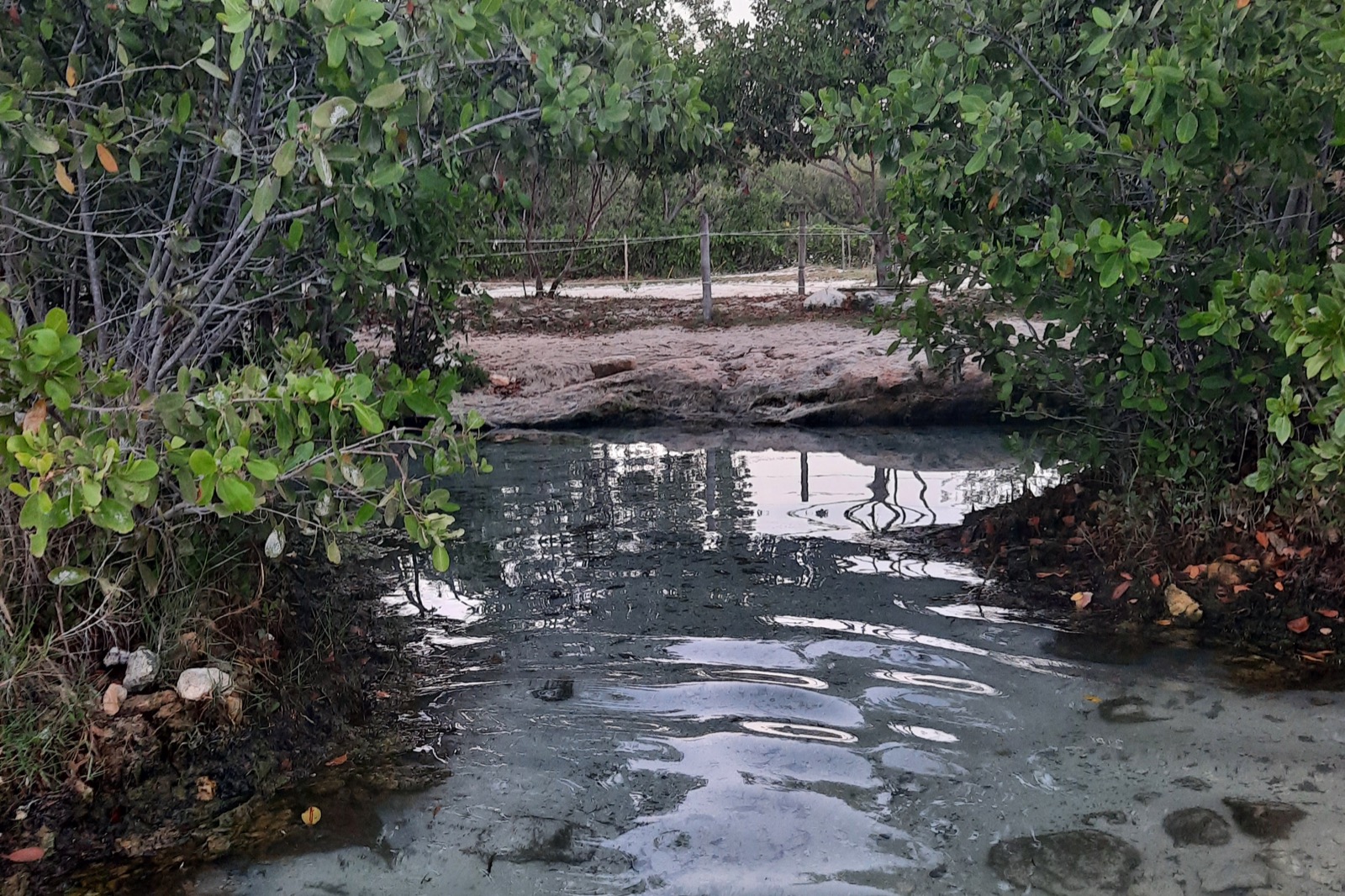
The gate was not the only objection. On the day work began, Por Esto reported that neither neighbors nor environmental groups had been shown the project before machinery arrived. The environmental activist Roger de la Mora questioned why a project in a sensitive area had not been presented to the public first. A Colosio resident, Melitón Rodríguez, put the concern most precisely: this is fragile ground, laced with the shallow cenotes and underground channels that carry fresh water through the limestone to the sea, and in his words, laying stone material over it "would be sealing the hydrological flow". Residents also said, fairly, that a better road is welcome, and that what they want is to see the plans and the materials.
Those points deserve a straight answer, and none has yet been published: no environmental assessment of the road has been made public, and the city has not said how the paving will let water pass. Nor is the finish date fixed. The tender ran from early August to the end of November; the works began four weeks later than that, and the city has already had to move money between funds to keep it on schedule. On September 21 the head of municipal planning, Rolando Méndez Navarro, told Novedades that federal and municipal funds had been reshuffled across the year's program to avoid delaying Punta Esmeralda.
Why this beach
Punta Esmeralda is not a hotel beach. It is where families from Colosio, Nicte-Há and the neighborhoods west of the highway come on a Sunday, and it is one of eight Playa del Carmen beaches certified under the international Blue Flag program for the 2025 to 2026 season. The Foundation for Environmental Education held that certification ceremony on its sand in August 2025, when the city also noted that it has 20 public beach accesses, more than any other municipality in Quintana Roo. This August the city said five kilometers of sargassum barriers were in place along its central coast, from Playa Fundadores to Punta Esmeralda.

That is why a 500 meter road drew this much attention. For anyone who lives in the northern neighborhoods, or is weighing a home there, the practical effect is modest and concrete: if the calendar holds, the nearest public beach will be reached by a paved road with a footpath and handrails by the start of the high season, and along the sand from Calle 88 until it does. For the wider picture of the city, see our guide to Playa del Carmen, and for more from this stretch of coast, our report on Playa del Carmen's turtle nesting season.
Sources: H. Ayuntamiento de Playa del Carmen, tender SIyOP-FORTAMUN-013-2026, call 004/2026 (July 3, 2026) and award record; Heraldo de México Quintana Roo, September 1, 2026; Noticias Playa del Carmen, September 1 and 10, 2026; Por Esto, August 31, 2026; Quinta Fuerza, September 4, 2026; Quintana Roo Hoy, September 7 and 10, 2026; Novedades Quintana Roo, September 21, 2026; H. Ayuntamiento de Playa del Carmen, Blue Flag release (August 2025) and sargassum barrier release (August 2026).
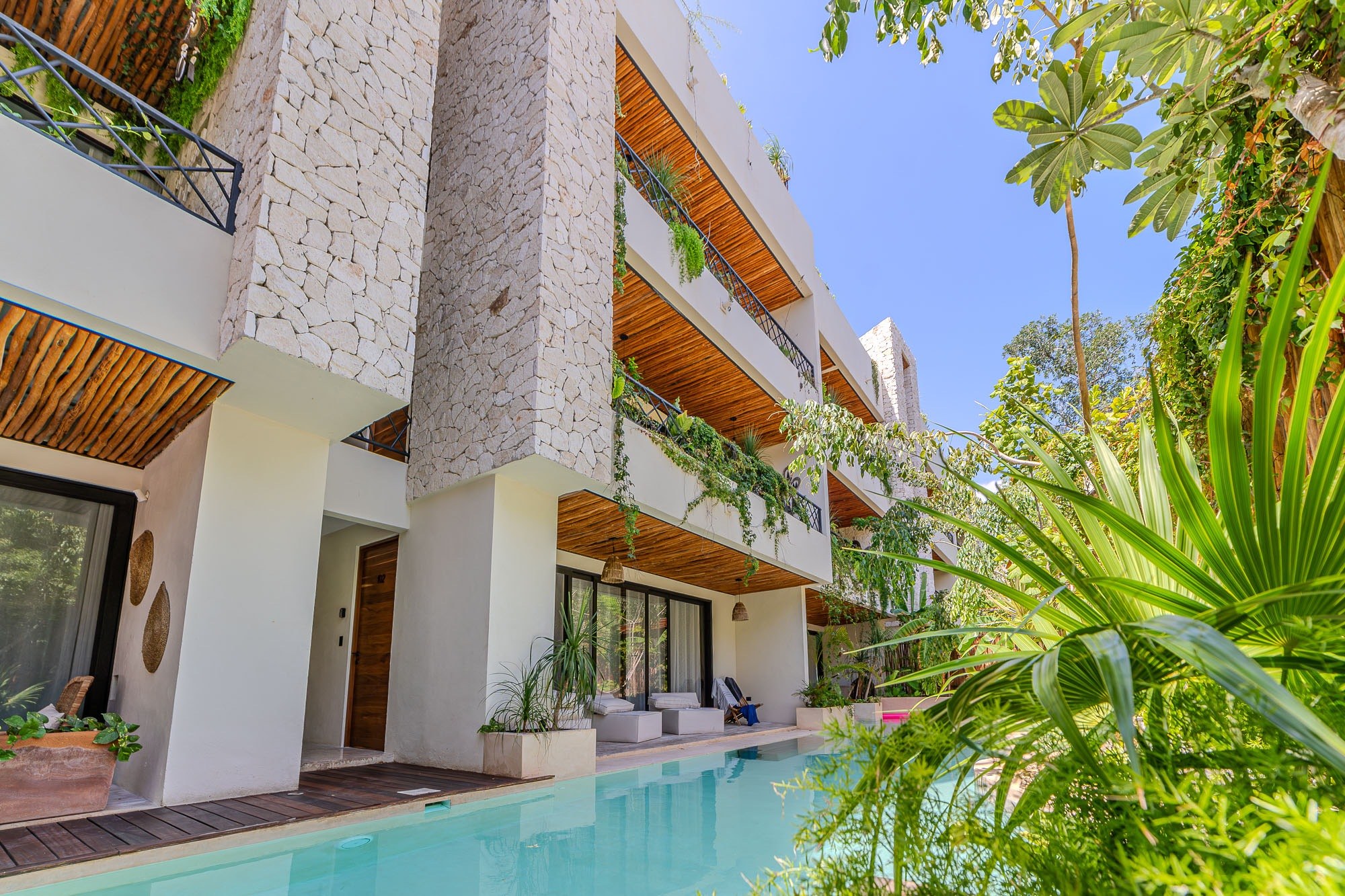
Itza II | 2 Bedroom Furnished Apartment with Private Jacuzzi in Aldea Zama, Tulum
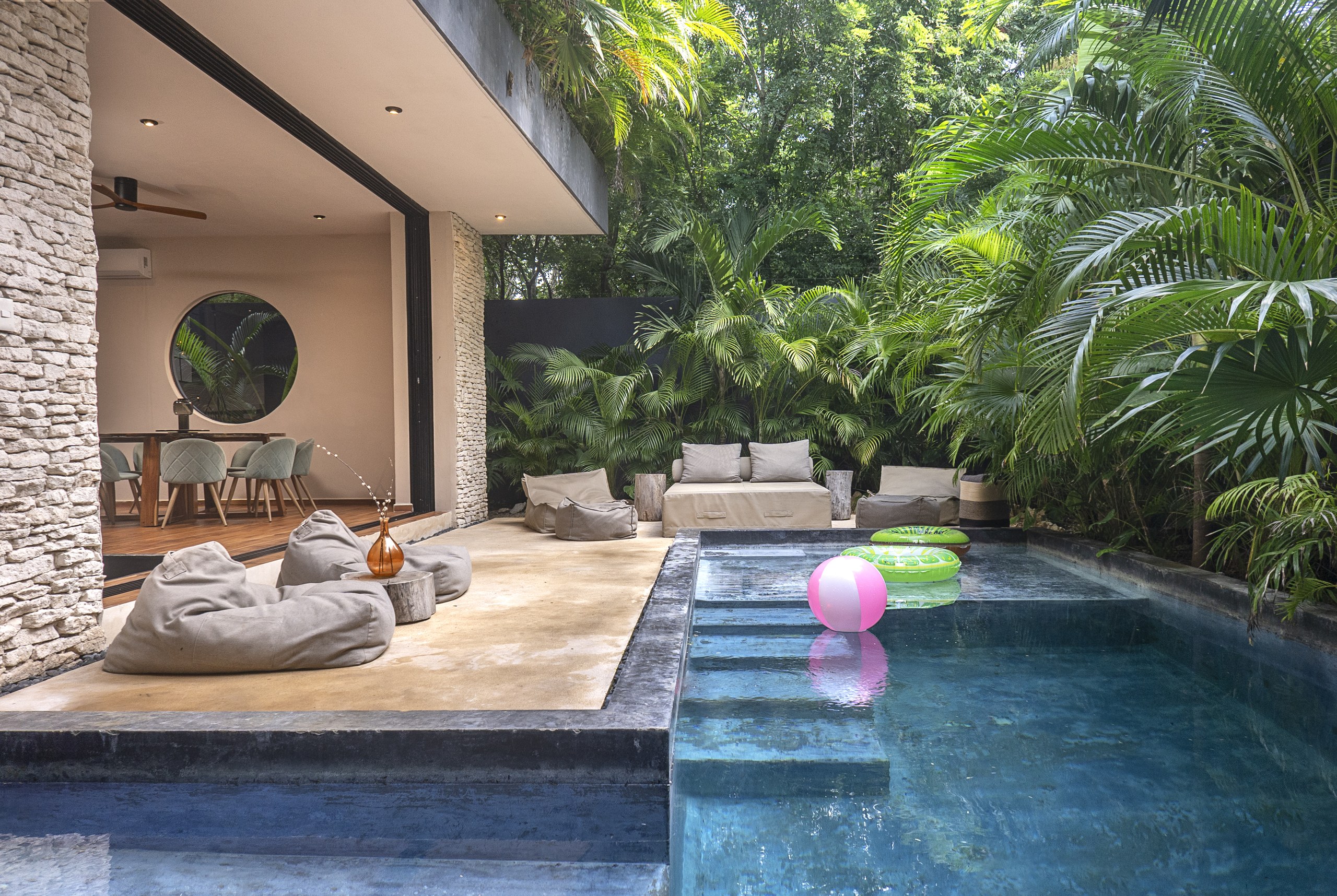
Maison Siscolino | 4 Bedroom Villa with Swim Up Pool and Rooftop Plunge Pool in Region 15, Tulum
Maison Siscolino, Region 15 Tulum. Furnished four bedroom villa, 245 m² on a 301 m² lot with swim up pool and rooftop plunge pool.
We are the ultimate guide to invest in Tulum
Ultimate Guide to a profitable investment property in Tulum. Find homes for sale, condos or land and consult with an experienced real estate advisor.
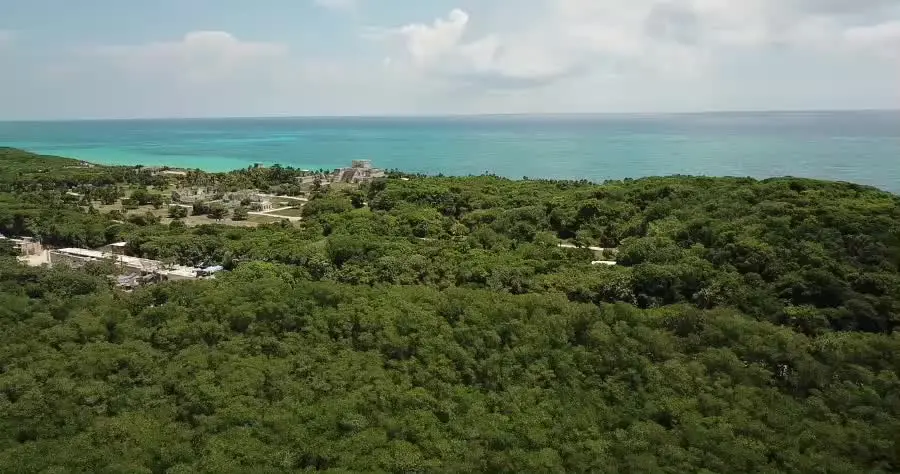
News: Real Estate, Lifestyle and Growth Across the Riviera Maya
The latest from Tulum, the Riviera Maya and the Mexican Caribbean, from market trends and investment opportunities to lifestyle and the infrastructure shaping the coast.