Semarnat holds the line on the jungle beside Puerto Aventuras


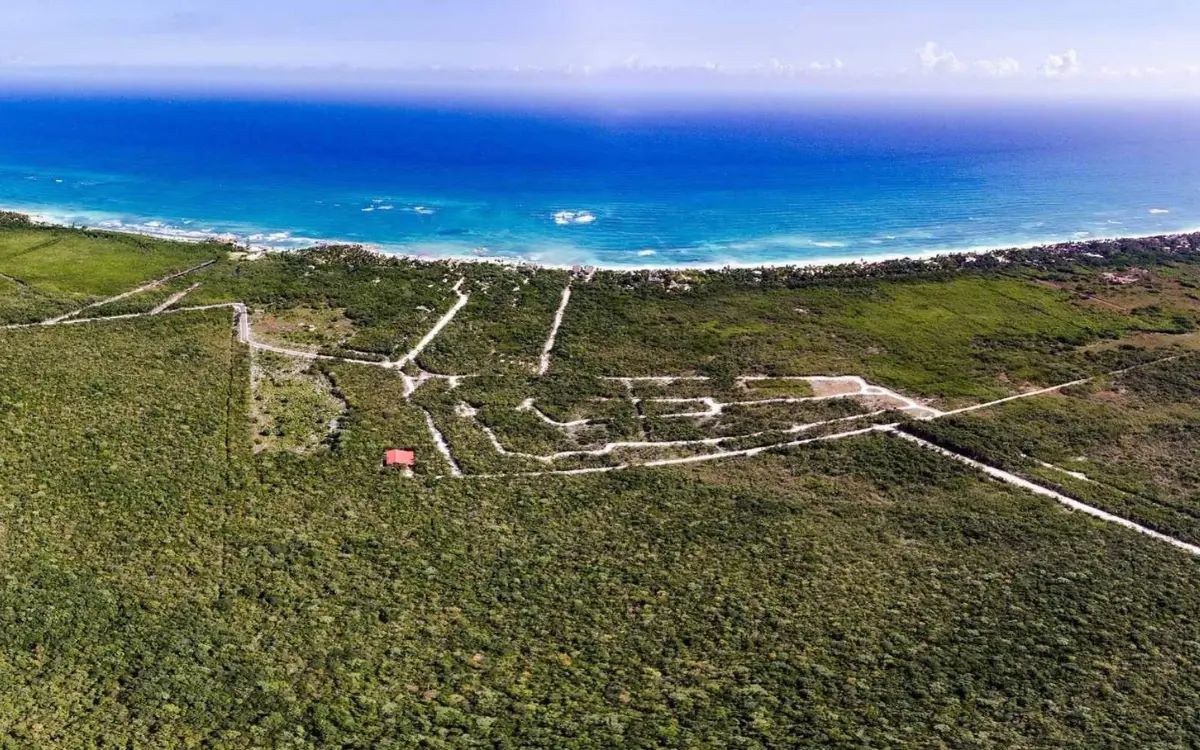
Semarnat has refused to let a grid battery be built on a plot of jungle between Puerto Aventuras and Kantenah, and it refused on both counts: the environmental impact permit and the change of use of forest land. When federal inspectors walked the site, they found the clearing had already begun, and that finding carried the decision.
The resolution was issued on July 23 and stayed out of view for seven weeks. It surfaced in Semarnat's Gaceta Ecológica on September 10, in the list of decisions issued by the ministry's state offices, and Noticaribe reported its contents on September 18. The Gaceta line says little on its own: project key 23QR2026TD019, filed February 26, resolved July 23, and under validity, where an approved project shows a number of years, the words "no aplica".
What was proposed
Atlántica y Quartux Almacenamiento de Energía filed the project in late February under the unified procedure that joins the environmental impact study to the request for a forest land use change. It called it SAE Kantenah: a battery energy storage system of 20 megawatts and up to 60 megawatt hours on about 1.5 hectares of the San Francisco property, south of Puerto Aventuras in the municipality of Playa del Carmen. The idea was to draw power from the national transmission grid when it is plentiful and hand it back during peaks and emergencies. The company expected about twelve months of site preparation and construction, followed by operation with no end date.
The filing was candid about where it sat. According to the study, as Noticaribe reported it in March, the plot lies outside any protected area but inside the zone of influence of the Mexican Caribbean Biosphere Reserve and close to the Felipe Carrillo Puerto flora and fauna protection area, in a region that holds around 61 percent of Quintana Roo's amphibian species, 40 percent of its reptiles and 437 species of vascular plants. It named the removal of vegetation and the sealing of the soil among the main impacts.
What Semarnat found
Because the plan meant clearing forest land, Semarnat asked for technical opinions before deciding. The Quintana Roo State Forestry Council recommended that no clearing be permitted or authorized until an environmental impact study existed, in order to avoid environmental damage. Then the inspectors made their site visit and found that removal of vegetation had already started on the plot. According to Noticaribe's account of the published resolution, Semarnat denied the application in full, "not only the environmental impact statement, but also the change of use of soil on forest land."
The report does not say who cleared the plot or when, and the resolution is the only public record of the inspection. What it does show is the sequence the rules are built around, with the study first and the clearing after, and what happens when the order is reversed.
The twin at Puerto Morelos, and a third filing at Chemuyil
SAE Kantenah was one of two matching proposals the same company filed with Semarnat on February 26. The other, SAE Riviera Maya, was planned on 1.5 hectares of the Puerto Morelos ejido, about 200 meters north of the CFE's Riviera Maya substation, with the same 20 megawatts and 60 megawatt hours. It ended differently. Semarnat resolved it on June 1 and listed the decision in the Gaceta of July 16, again with no period of validity. As La Verdad Noticias reported on July 19, that application was dismissed rather than decided on its merits. The ministry found that the documents meant to prove the land lease was registered with the National Agrarian Registry were certified copies, not notarized and registered instruments, and applied Article 17-A of the Federal Law of Administrative Procedure. The company keeps the right to file again.
A third filing is still open. In May the company entered a forest land use change request for SAE Chemuyil, a storage system on just over two hectares of secondary vegetation in the municipality of Tulum, listed in the Gaceta of May 28. No resolution for it has appeared in the Gaceta up to the edition of September 17.
What this does not settle
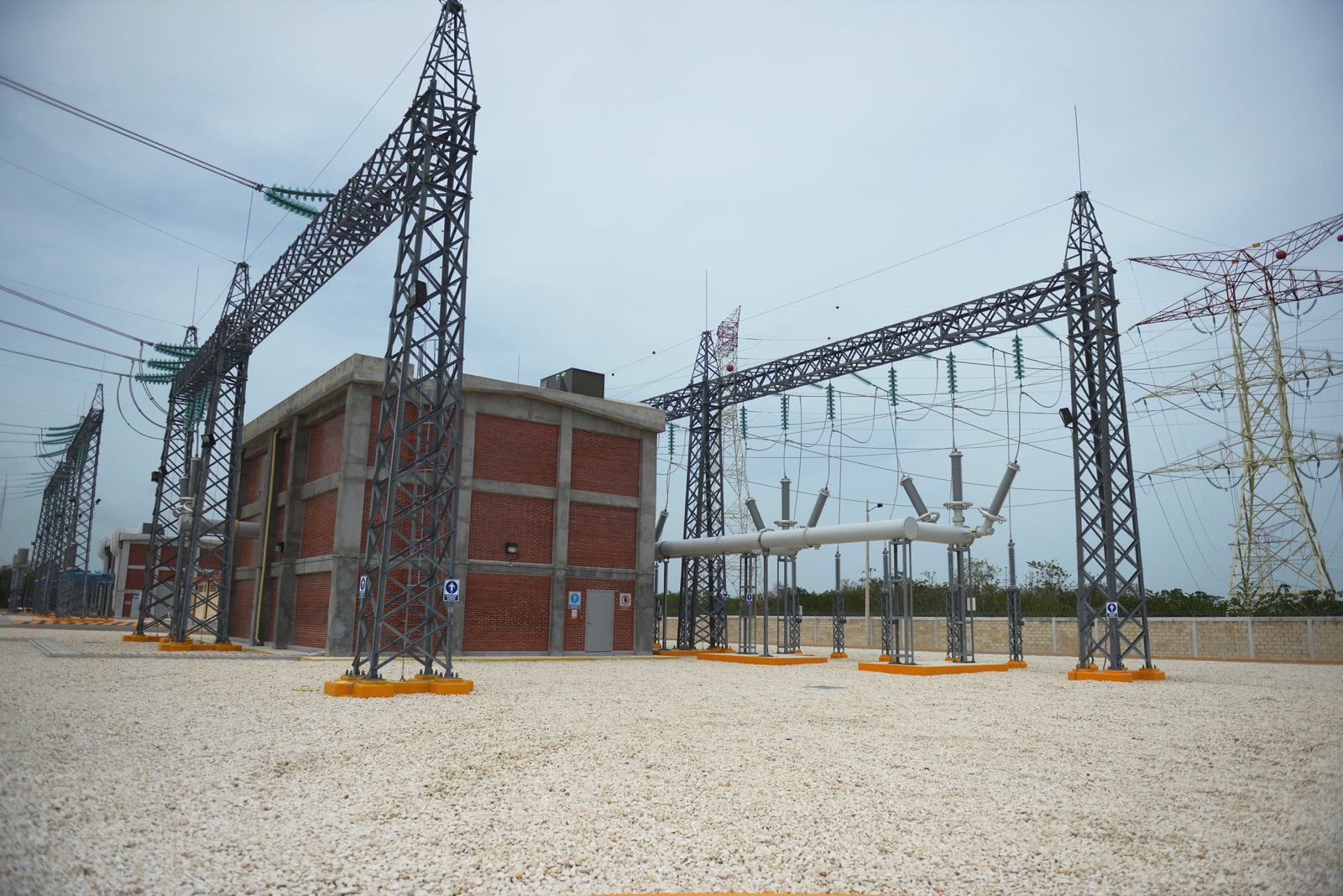
None of this is a verdict on battery storage, and the case for it on this stretch of coast is real. On May 4 a fault on the 115 kilovolt bus of the Playa del Carmen substation left users in Playa del Carmen and on Cozumel without power from 4:56 in the morning. The CFE had every affected customer back at 7:12, two hours and sixteen minutes later. Noticaribe's March report framed both batteries as an answer to the overloads that hit Playa del Carmen neighborhoods when air conditioning peaks in the hottest months. And on July 21 the state environment ministry announced a financing agreement with Serfimex Capital that aims to place 1,000 million pesos in loans for 50 solar, battery storage and efficiency projects between the second half of 2026 and the end of 2027.
Nor should the Kantenah refusal be read as the last word. Mexican environmental law allows a promoter to seek review of a resolution, and the resolution itself has not yet been posted on Semarnat's public document system, so its grounds are known through Noticaribe's reading of it rather than from the text. What the record already shows is how the refusal was reached.
What it means for Puerto Aventuras
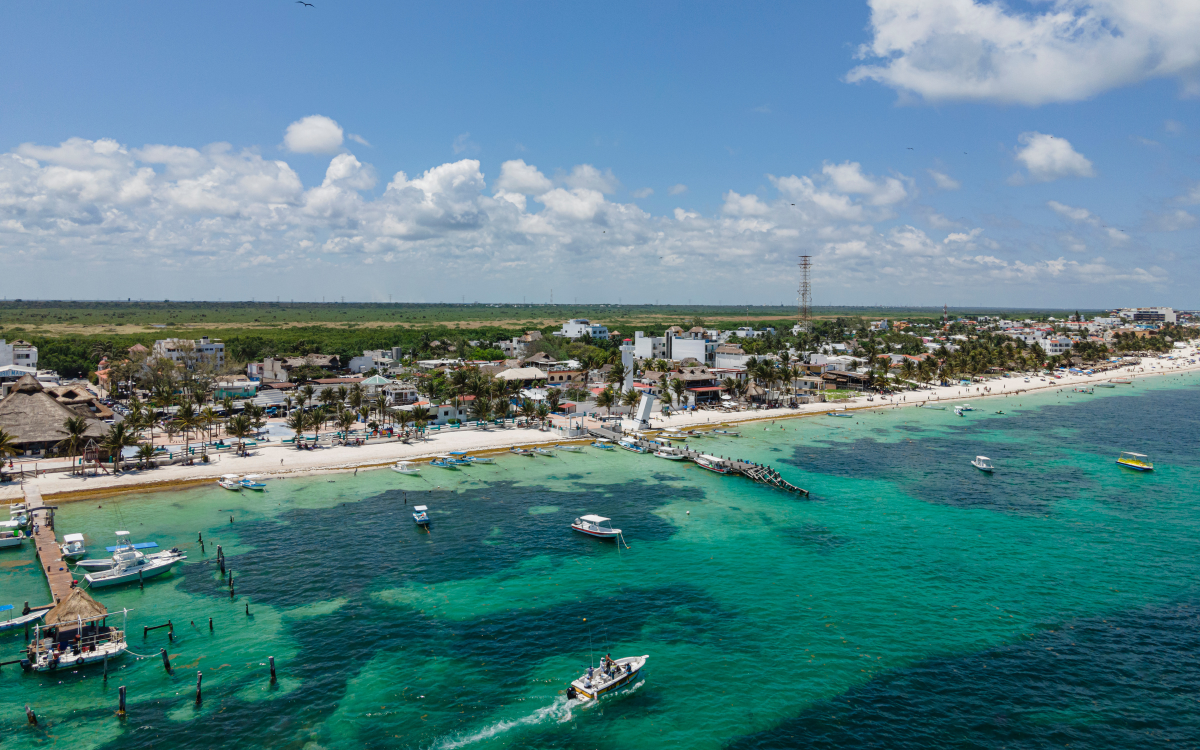
Puerto Aventuras is a planned marina town, and the forest along the highway south toward Kantenah and Akumal is part of what sets it apart from the city to its north. This decision keeps a piece of that forest standing for now, and it shows the permit system in this corridor working as intended. It follows the decisions we have covered on Cozumel's fourth cruise pier and on the Bacalar lagoon front.
For anyone who owns in the town or is looking at it, the practical point is that the jungle beside the highway is not a blank plot, and that every filing near it is public. Semarnat's weekly Gaceta Ecológica lists each project entering and leaving evaluation by key, municipality and promoter, and anyone can search it. For more on the town itself, see our guide to Puerto Aventuras.
Sources: Semarnat, Gaceta Ecológica DGIRA/0044/26 (September 10, 2026), DGIRA/0035/26 (July 16, 2026) and DGIRA/0025/26 (May 28, 2026); Noticaribe, March 6 and September 18, 2026; La Verdad Noticias, July 19, 2026; N+, May 4, 2026; pv magazine México, July 21, 2026; Ley General del Equilibrio Ecológico y la Protección al Ambiente, Article 176.
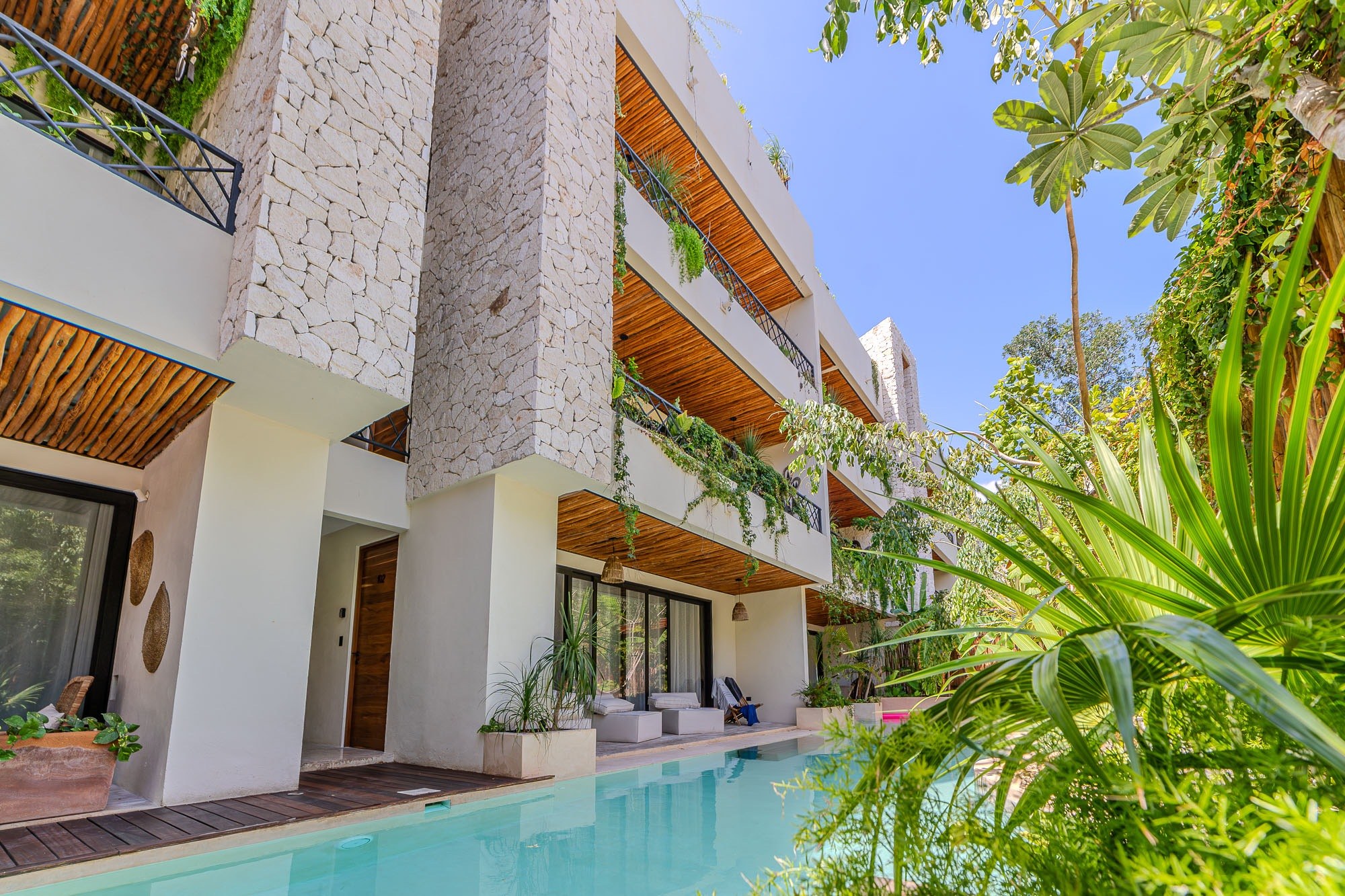
Itza II | 2 Bedroom Furnished Apartment with Private Jacuzzi in Aldea Zama, Tulum
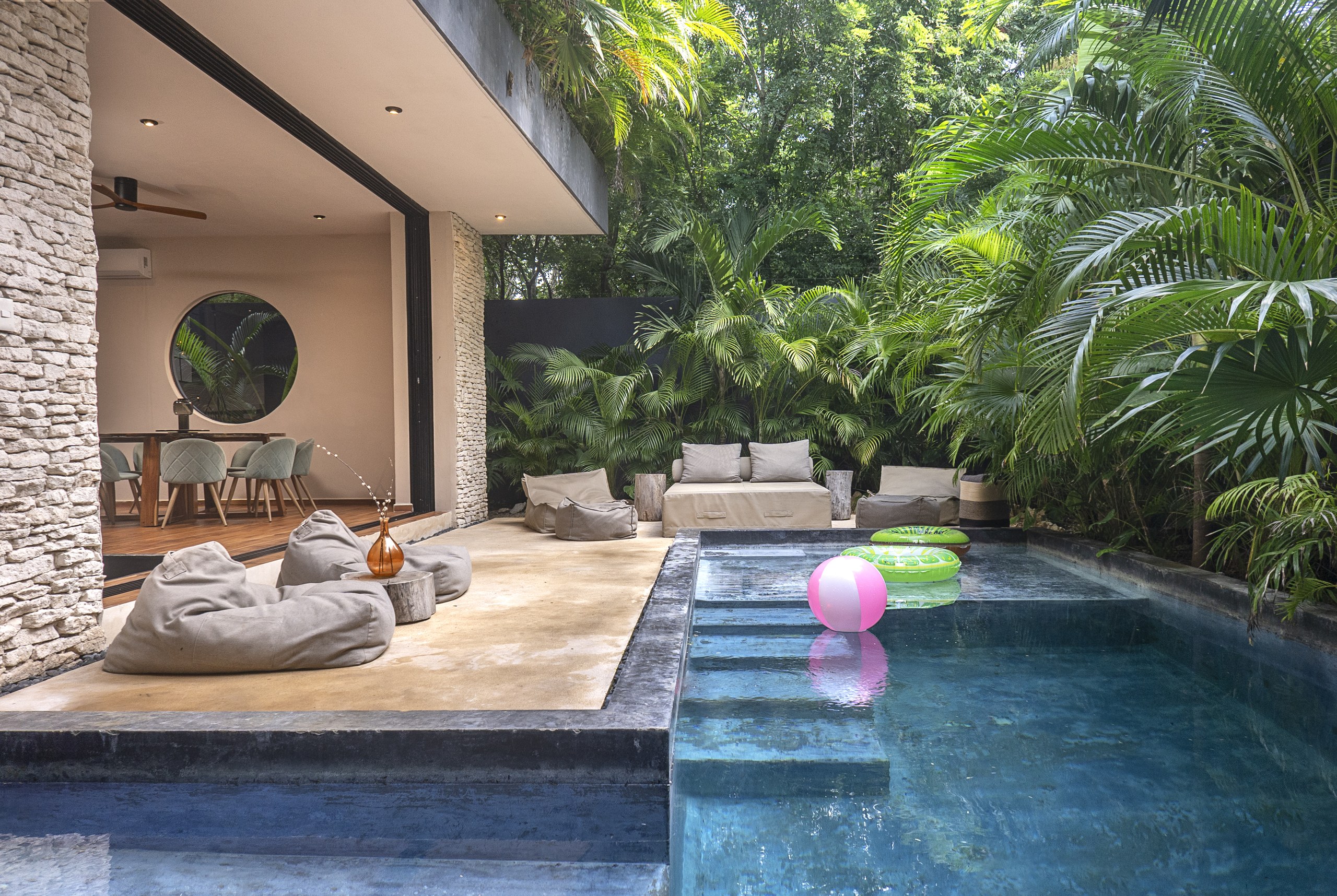
Maison Siscolino | 4 Bedroom Villa with Swim Up Pool and Rooftop Plunge Pool in Region 15, Tulum
Maison Siscolino, Region 15 Tulum. Furnished four bedroom villa, 245 m² on a 301 m² lot with swim up pool and rooftop plunge pool.
We are the ultimate guide to invest in Tulum
Ultimate Guide to a profitable investment property in Tulum. Find homes for sale, condos or land and consult with an experienced real estate advisor.
News: Real Estate, Lifestyle and Growth Across the Riviera Maya
The latest from Tulum, the Riviera Maya and the Mexican Caribbean, from market trends and investment opportunities to lifestyle and the infrastructure shaping the coast.