Tulum's Second Municipal Report Counts 200 Cameras, 25 Works and Far Fewer Homicides


On Thursday 10 September 2026, under the dome of Parque Dos Aguas opposite the Palacio Municipal, Diego Castañón Trejo delivered his second annual report as municipal president of Tulum, with the state governor, Mara Lezama, beside him. The number he led with was 83: the percentage by which homicides have fallen against 2024 and the start of 2025, according to the figures presented. That figure is the municipality's own, and the rest of the report is worth reading before deciding what it means.
It landed in a quiet month. Hotels on the coast are running below 20 percent occupancy and the all-inclusive properties below 30, roughly ten points under the same weeks last year, and the state's secretary of government, Cristina Torres Gómez, described the moment that morning as an opportunity "to grow with more order and a more integrated vision". So this was a report delivered into a Tulum that is waiting for November rather than riding a boom, and its contents are the more useful for that. It is a ledger of what the municipality says it has done with two years, in numbers.
Security: the cameras and the fall
The security figures were the headline and they were presented as a set: homicides down 83 percent, extortion and robbery of businesses down 75 percent, vehicle theft down 51 percent, and violence overall down 23 percent, each measured against 2024 and the opening months of 2025.
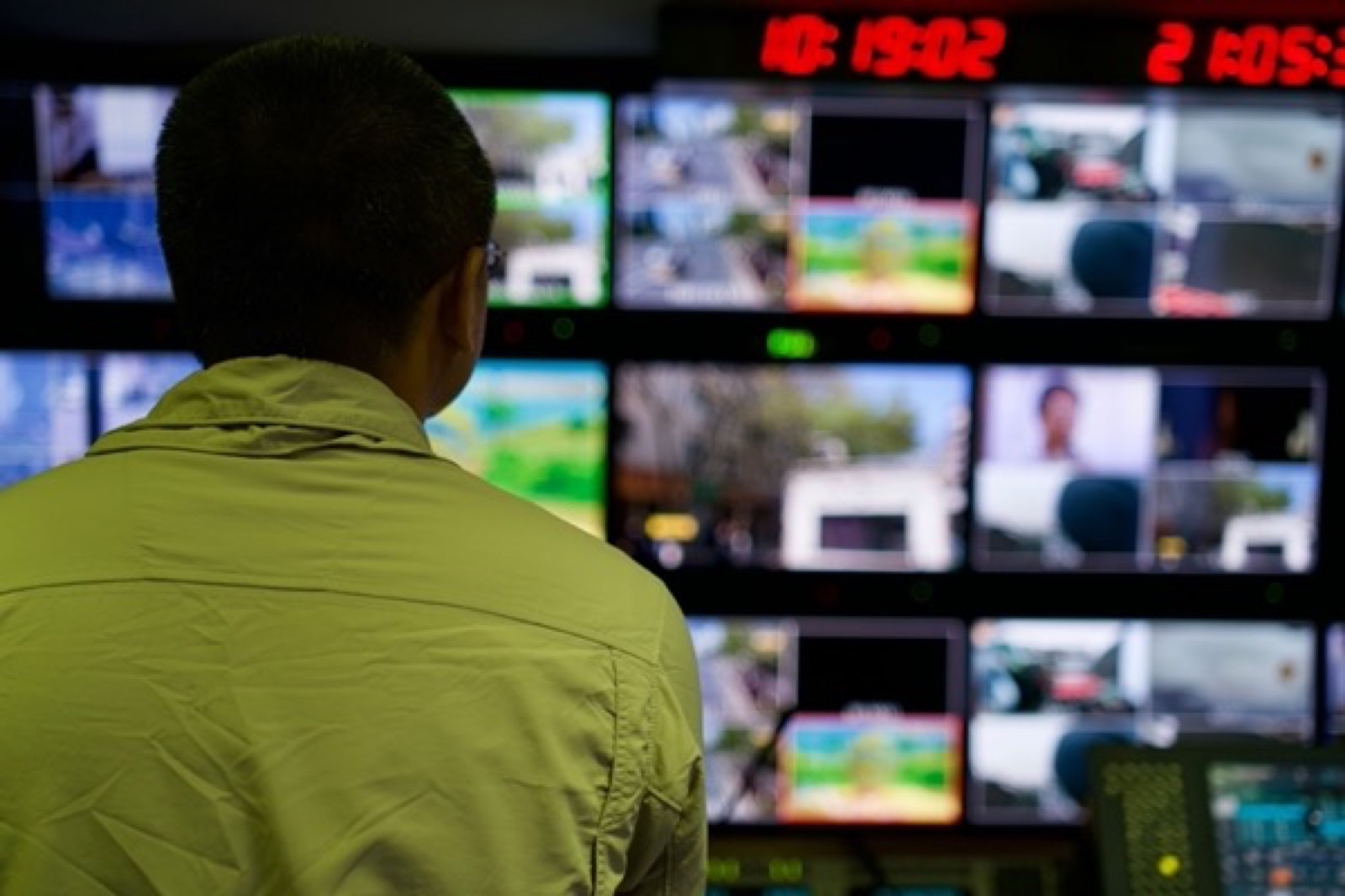
The instrument behind them is the C2, the municipal command and control centre. When this administration took office it watched 40 public cameras. It now watches 200, and it has linked in a further 1,287 cameras belonging to businesses and private owners, which means a hotel lobby or a shop front on the avenue can feed the same screens the police watch. Tulum went from a town with cameras at a few junctions to one with a network, and most of that network is not the municipality's own hardware.
Two things to hold alongside those numbers. They are the administration's, presented at the administration's own report, and the national public security secretariat publishes its counts on a different basis and a different calendar. And a fall of 83 percent from a bad year is a statement about direction, not about level. The direction is the news, and it is good news; the level is something a reader can check against the federal figures in their own time.
Works: 100 million pesos in 25 actions
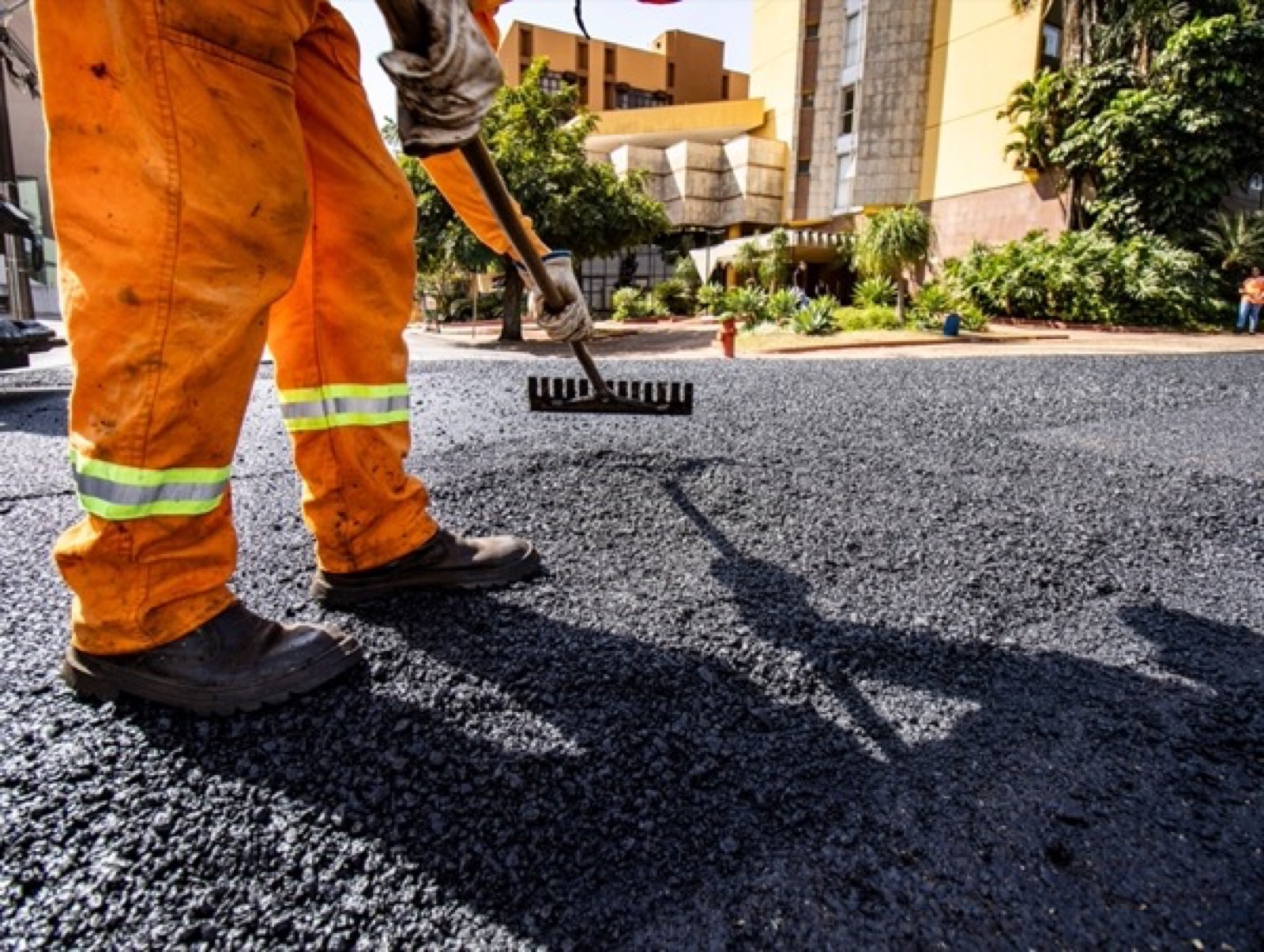
The infrastructure section was less dramatic and, for anyone who lives here through a wet September, more immediate. The municipality reported close to 100 million pesos across 25 works: paving, pothole repair, absorption wells, sidewalks, and extensions to the drinking water and drainage networks. Absorption wells are the item to notice. Tulum sits on limestone with no rivers, and a street floods until the water finds a way down; a well is how it finds one.
A further 46 million pesos went to what the municipality calls works of social justice, and the list is specific: a public library, Avenida Cobá Sur, and health centres in Sacabmucuy, Yaxché and Chachén Palmar, three of the Maya communities inland from the town that the tourism economy rarely reaches. Cobá Sur is the road most residents take between the highway and the centre, and its rehabilitation had been promised for some time.
Health, schools and the rest of the ledger
The report claimed 12 municipal health centres in operation, more than 9,500 people treated in them, and more than 5,500 families receiving free medicines. The DIF, the municipal family welfare agency, reported close to 12,000 therapy sessions. More than a thousand school scholarships were delivered. The recycling programmes, the Centro de Acopio with its Ruta, Reciclatón and Adopta Vida schemes, collected more than 111 tonnes of recyclable material. Fifty complaints of animal cruelty were taken up. Local athletes supported by the municipality brought back 21 medals.
None of these lines is large on its own. Together they describe an administration spending on the town rather than on the beach, which is the part of Tulum that most visitors never see and most residents live in.
What it does and does not prove
A municipal report is a claim of progress made by the people whose progress it is, with the governor in the front row. It is not an audit, and it should be read as the administration's account. What it does establish is where the money went: drainage, roads, clinics and cameras, in that order of visibility. What it cannot establish yet is whether the fall in crime holds through a high season, whether occupancy recovers in November as the hotel association expects, or how the second year of the state and federal Plan Tulum Renace will read when it is reported on the same stage.
For anyone weighing a purchase here, the questions that follow price are almost always about safety and services, and this is the first time in two years that the municipality has put both on one page with numbers attached. Keep them as the municipality's figures. Then watch whether next September's report can repeat them.
Sources: Second Informe de Actividades of Diego Castañón Trejo, Parque Dos Aguas, Tulum, 10 September 2026, as reported by PulsoSur (11 September 2026), Jorge Castro Noriega (10 September 2026) and 24 Horas Quintana Roo (9 September 2026); hotel occupancy figures from David Ortiz Mena, president of the Consejo Hotelero del Caribe Mexicano, in El Sureste (14 September 2026) and Noticaribe (10 September 2026); Cristina Torres Gómez quoted by Noticaribe (10 September 2026).
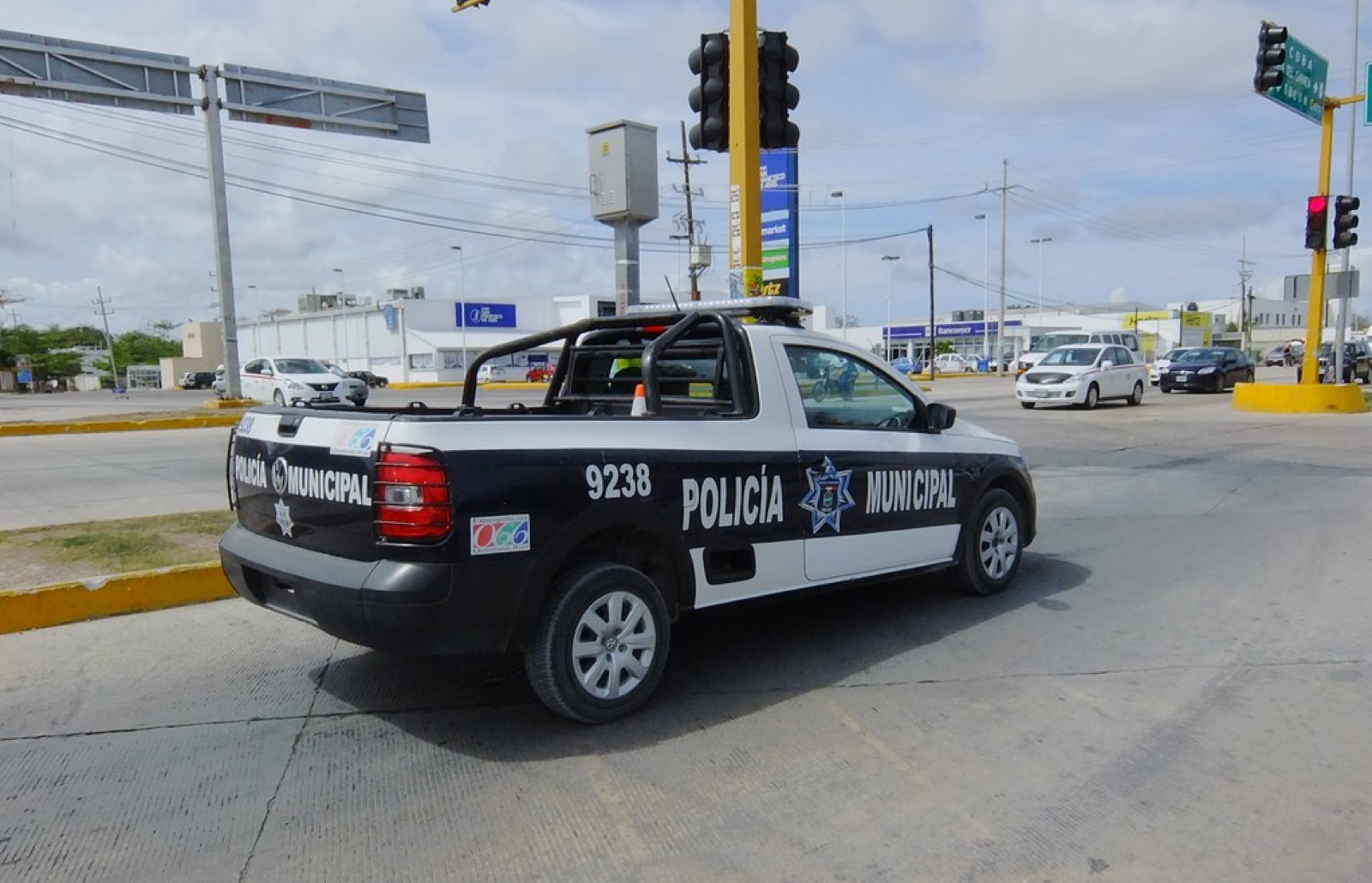
Main image: a Tulum municipal police unit at a town intersection. Photo: Reg Natarajan, CC BY 2.0.
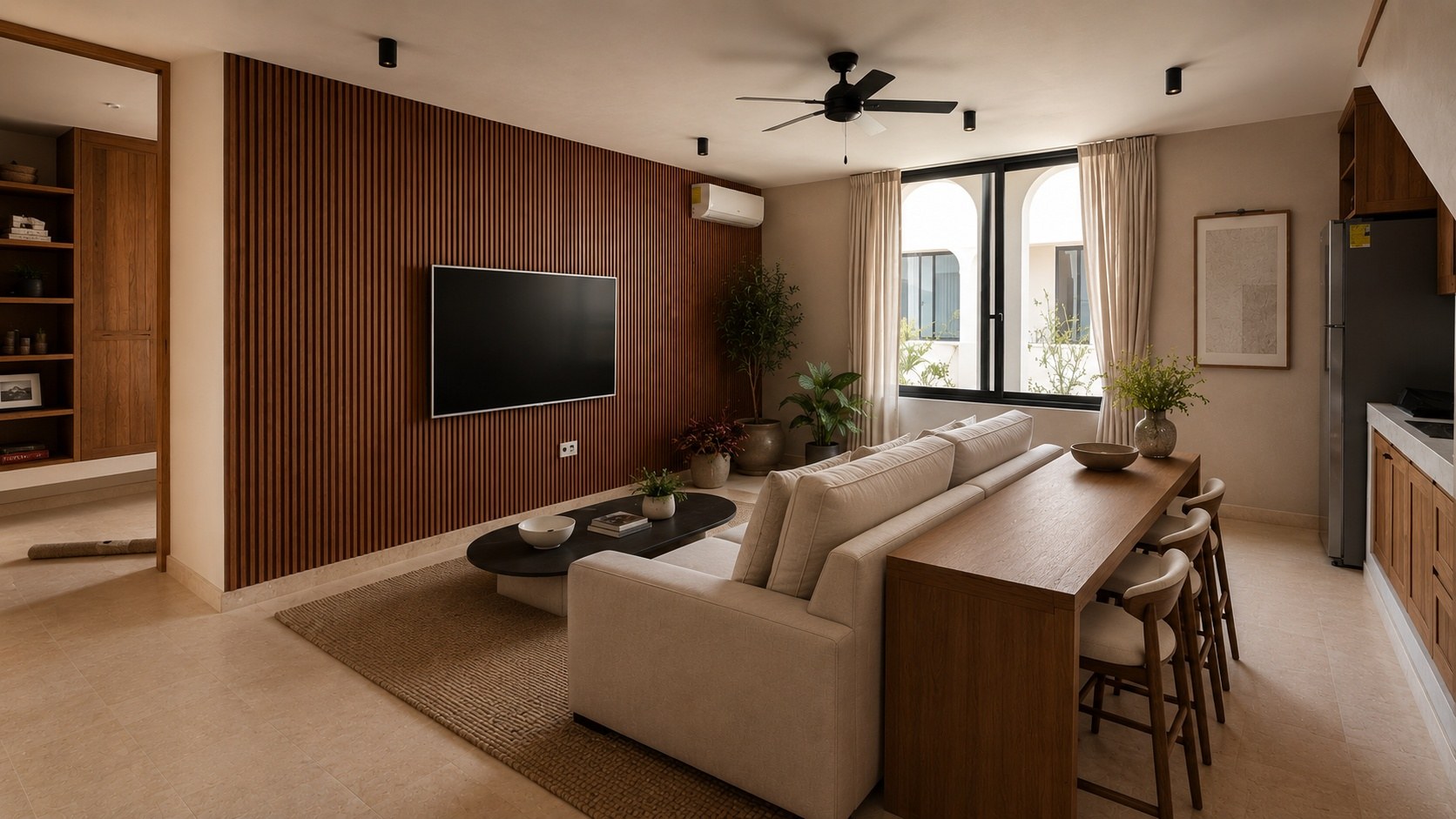
Casa Emilia 203 | 2 Bedroom Apartment with Private Rooftop Pool in La Veleta, Tulum
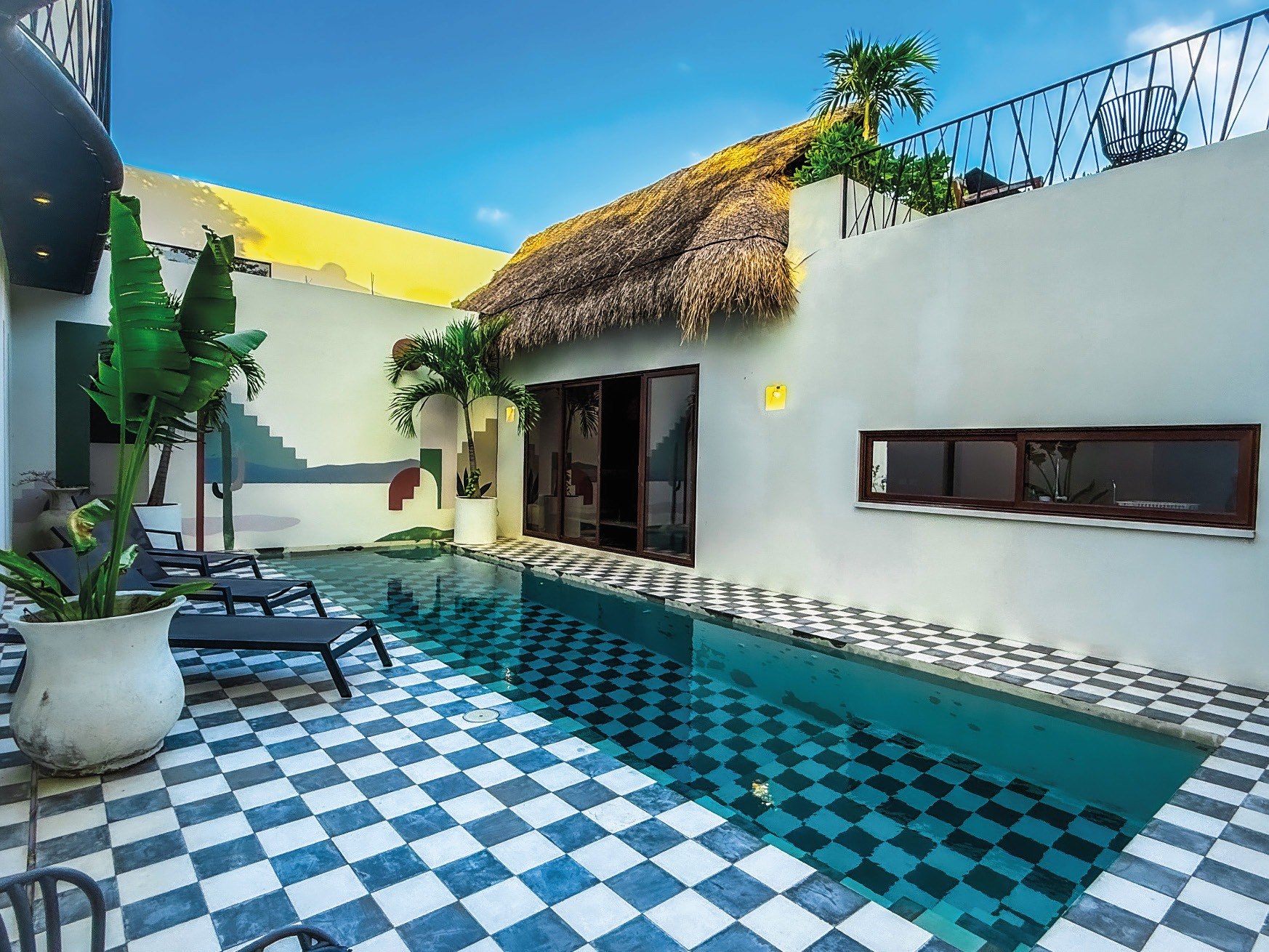
Casa Zorro | 4 Bedroom Villa with Palapa Roof in Region 15, Tulum
4 bed, 4.5 bath resale of 3,498 sq ft. $399,900 USD.
We are the ultimate guide to invest in Tulum
Ultimate Guide to a profitable investment property in Tulum. Find homes for sale, condos or land and consult with an experienced real estate advisor.
News: Real Estate, Lifestyle and Growth Across the Riviera Maya
The latest from Tulum, the Riviera Maya and the Mexican Caribbean, from market trends and investment opportunities to lifestyle and the infrastructure shaping the coast.