Tulum's Market Has Changed. Here's How to Read It Now.



For most of the last decade, buying in Tulum was easy in one specific sense: almost anything appreciated. Prices climbed steeply from 2017 onward, the destination sold itself, and a buyer could pick a render off a table, wait through construction, and reasonably expect the value to rise. That era is over. It did not end in a crash, and understanding the difference is where the opportunity now sits.

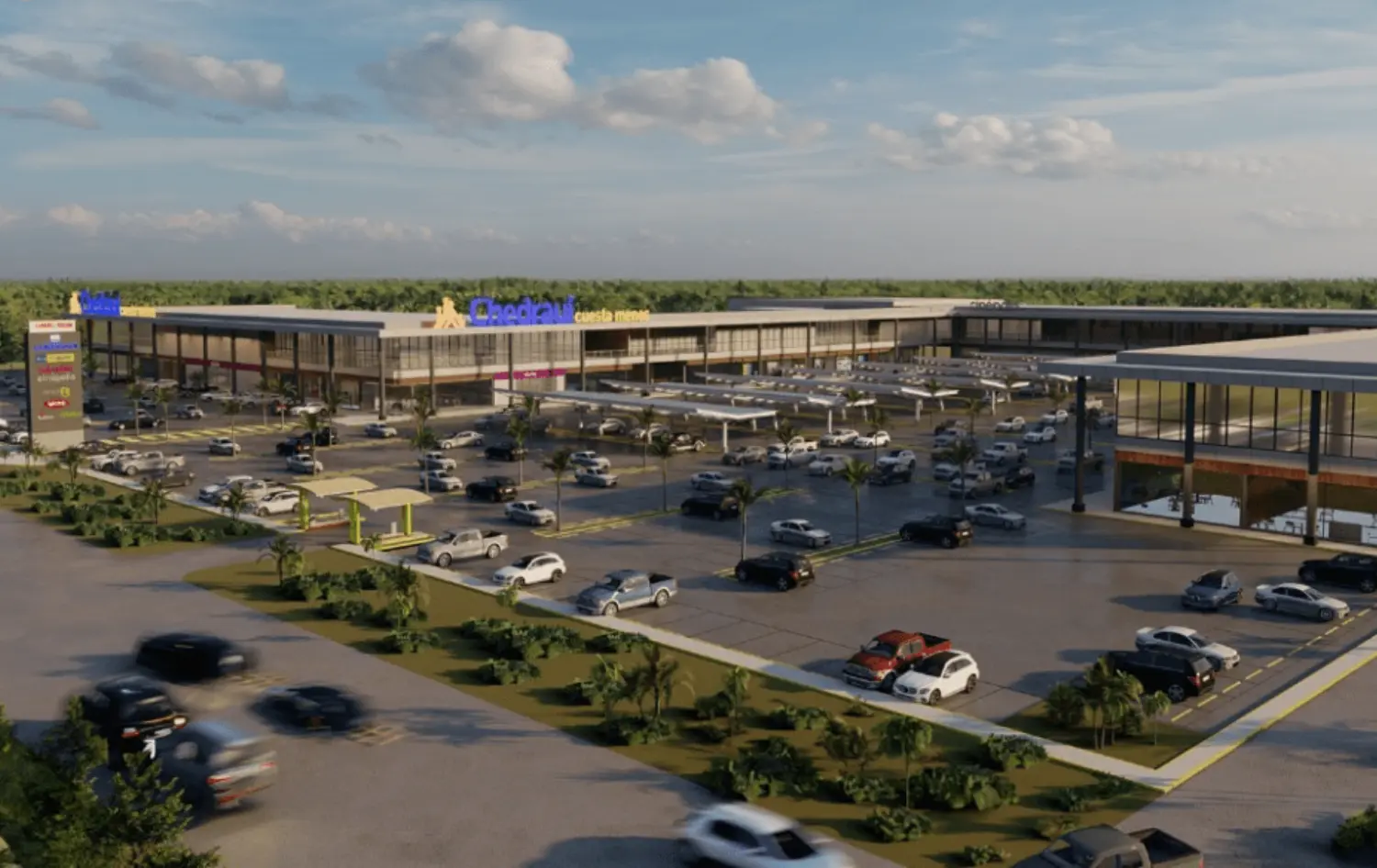
Here is the honest shape of where things stand. Tulum's property market peaked around 2024, and prices have since eased back, softening by roughly ten to twenty percent from those highs depending on location and product. For a buyer, that is the good news, not the bad. The frothy top has come off, and entry points that were simply out of reach two years ago are open again. At the same time, more than two hundred new projects came into development, adding real choice and real negotiating room to a market that had spent years favoring sellers. A price reset and a wider selection are exactly the conditions a patient buyer wants, and both are in place right now.
It helps to say plainly what this correction is and is not. It is not a collapse, and the fundamentals that drew capital to Tulum in the first place, the beaches, the brand, the growth of the airport and the wider Riviera Maya, are all still intact. What has changed is simply the pricing discipline. The market has moved from one where anything sold at any number to one where good assets are fairly priced and weak ones finally have to compete. For someone buying to hold, that is a healthier market to enter than the overheated one that preceded it. You are buying into value that has been tested rather than hype that had run ahead of itself.
The airport deserves a line of grounding here, because it is usually read as a recent bet. The federal government first announced an airport for Tulum in March 2010 and tendered it in 2011, thirteen years before the terminal opened. The project stalled, was revived in 2020 under military construction, and opened in December 2023. Whatever happens to any single season's route map, the state's commitment to this corridor has outlasted three administrations.
That shift changes how a buyer should actually evaluate a property, so here is what now separates a sound purchase from a risky one.
Location within Tulum, not just the Tulum name
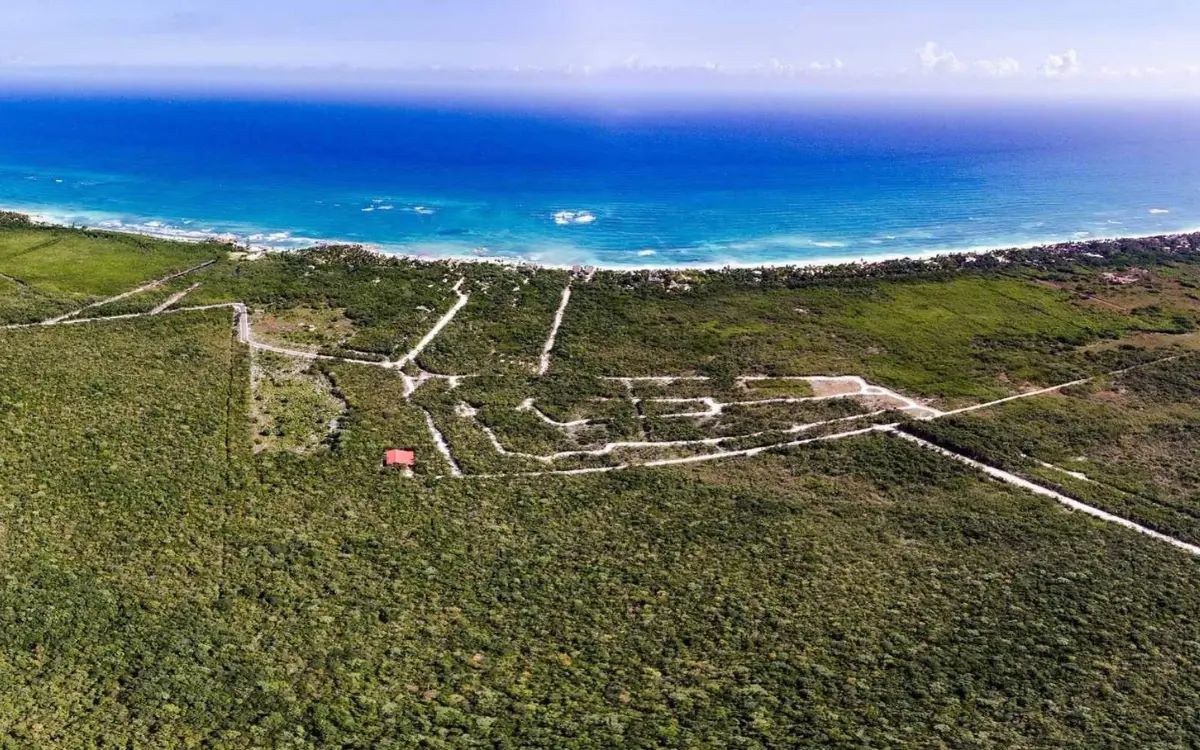
The first thing that matters more than it used to is location within Tulum, not just the Tulum name. In a rising market, a mediocre location still moved because everything moved. In a selective market, the difference between a walkable, established zone and a speculative parcel on the jungle edge shows up directly in occupancy, in resale liquidity, and in price stability. The destination brand no longer carries a bad location. The specific address does the work now.
The developer behind the project
The second is the developer behind the project, particularly in pre-construction. Pre-sale can still offer a genuine discount and real upside during the build. But it now carries the risk it always technically carried and that the boom years masked: delivery. A developer with a verifiable track record, a credible timeline, and complete documentation is a different proposition from one selling a beautiful render and a promise. When the market was liquid, a troubled project could often still be flipped. In a market with abundant supply, an unfinished or delayed project has nowhere easy to go. The developer's history is now part of the asset.
The honesty of the rental math
The third is the honesty of the rental math. Tulum was often sold on blended assumptions that quietly combined aggressive appreciation with optimistic occupancy to produce a headline return. Those two things should be evaluated separately. Ask whether the property works on rental income alone, under realistic occupancy, at realistic nightly rates, in a market where a glut of similar units competes for the same guests. If the numbers only work by assuming strong appreciation on top, the purchase is closer to a bet on market sentiment than a defensive investment. The properties holding their value best are the ones whose rental case stands on its own.
Genuine differentiation

The fourth is genuine differentiation. When inventory is scarce, generic units sell. When it is abundant, and Tulum's is now abundant, units that look like a hundred others nearby become fragile on both nightly rate and resale. Design, concept, privacy, a real sense of place, these stopped being aesthetic luxuries and became part of the investment logic. A residence with a clear identity competes. An anonymous box competes only on price, and competing on price in an oversupplied market is a losing position.
The data is catching up
One more thing has changed, and it is easy to miss because it is not a building. Buyers here now have tools that did not exist a few years ago, and that is quietly one of the most useful developments of the year.
Specialist analysts are working this coast, among them Xondo Intel, whose weekly picks appear in our own mailer. Their approach is to benchmark a listing against comparable active inventory, publish an uncertainty range around the number rather than a single confident figure, and attach a confidence label to the result. They also hold a standard on when to speak: a report is only produced where the comparable base is deep enough to support it. That kind of discipline is what buyers in mature markets rely on without ever thinking about it.
Add to that the zone-level intelligence now available on municipal planning, land use and neighborhood composition, and a buyer can arrive at a negotiation with an evidence-backed position rather than an instinct. When people who do this for a living start showing up, it tells you something about where Tulum is heading. A market you can measure is a market where a good buy is easy to recognize and easy to act on.
None of this is a reason to stay out of Tulum, and it would be a misreading to take it that way. The correction has genuinely improved conditions for the disciplined buyer. Properties that were out of reach at the peak are accessible now. Developers are more willing to negotiate terms, offer flexible payment plans, and add value to close a sale. The buyer who does the work now enters at a better price, with more leverage, into a market that has shaken out much of the froth. That is a more favorable position than the frenzied top offered, even if it feels less exciting.
What the moment asks for is simply a different posture. Tulum has matured from a destination you could buy on enthusiasm into one you buy on analysis, the same way you would approach any established international market. The opportunity is not smaller than it was. It is arguably better, because it now comes at a fairer price and rewards the buyer who reads the asset as a business and a piece of urban fabric. The postcard is still true. It is just no longer the only thing worth looking at.

Casa Emilia 203 | 2 Bedroom Apartment with Private Rooftop Pool in La Veleta, Tulum
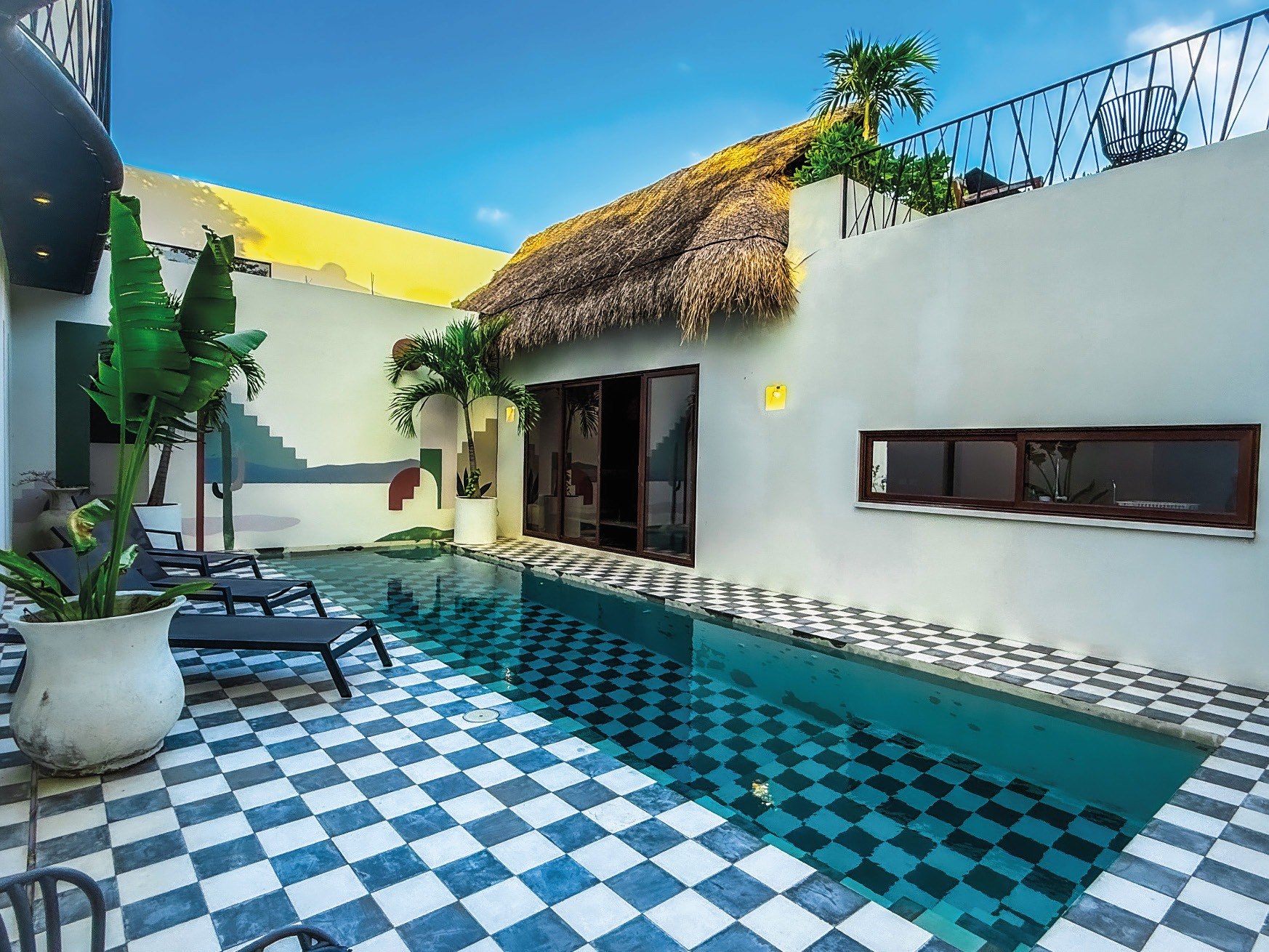
Casa Zorro | 4 Bedroom Villa with Palapa Roof in Region 15, Tulum
4 bed, 4.5 bath resale of 3,498 sq ft. $399,900 USD.
We are the ultimate guide to invest in Tulum
Ultimate Guide to a profitable investment property in Tulum. Find homes for sale, condos or land and consult with an experienced real estate advisor.
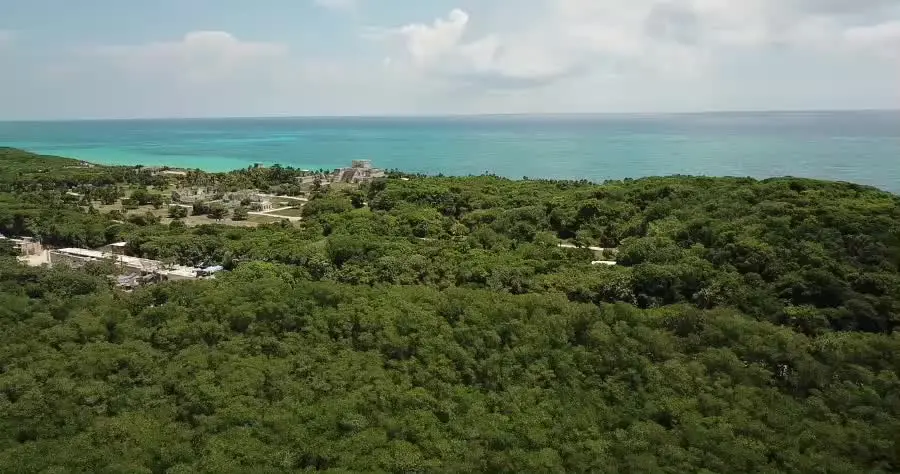
News: Real Estate, Lifestyle and Growth Across the Riviera Maya
The latest from Tulum, the Riviera Maya and the Mexican Caribbean, from market trends and investment opportunities to lifestyle and the infrastructure shaping the coast.